By Timothy S. Donahue
Top Takeaways:
- COP11 debates on liability, environment, and forward-looking measures indicated stronger global controls with limited room for harm-reduction views.
- GoodCOP 2.0 speakers warned that closed-door proceedings and prohibition-leaning policies could undermine evidence-based nicotine regulation.
- Delegates sharply divided over FLMs and liability, raising concerns that final decisions could broaden restrictions without stakeholder input.
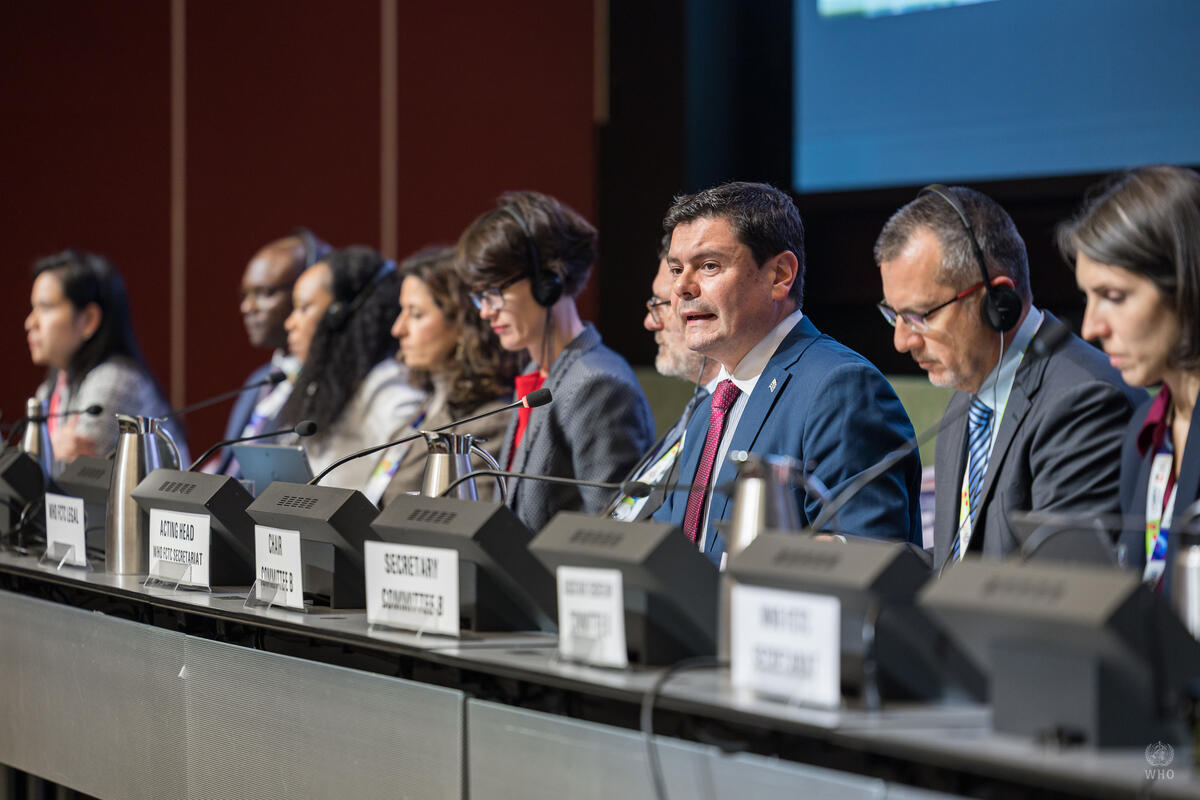
The pressure cooker at COP11 reached a new peak this week as negotiators addressed liability, environmental impact, and forward-looking policy options, while many outside observers warned that the talks are shifting toward prohibition at the expense of harm reduction.
On Wednesday, participants began discussing agenda item 4.2, Liability (Article 19 of the FCTC), and item 4.3, Protection of the Environment (Article 18), while also continuing the debate on Article 2.1 Forward-Looking Measures (FLMs). According to the official journal Journal No. 4 of COP11, the Chair reopened agenda item 4.1, then formed a drafting group on FLMs and moved the discussion on Article 18 from Committee A to Committee B.
ASH (Action on Smoking & Health) noted that the liability discussion mirrors the FLMs debate, stating that, “The COP is considering an expert report that presents a wide range of policy options for countries to consider relating to civil liability, criminal liability and administrative liability,” the organization pointed out.
The report referenced by ASH outlines “an important part of tobacco control” – yet the agenda merely invites Parties to consider the recommendations, rather than requiring action.
In the same session, a motion to make UN campuses nicotine- and aerosol-free was approved, and discussion on Article 18 focused on the environmental impact of tobacco waste. The EU’s submitted position paper argues that cigarette filters and electronic device waste are major sources of toxic pollution, urging regulation.
During the plenary, UN Environment Programme official Arnold Kreilhuber reminded delegates that “A healthy planet and healthy people are two sides of the same coin.” The quote is featured in publicity materials related to Article 18 briefings.
While these agenda items proceeded behind tightly controlled sessions, a parallel conference – GoodCOP 2.0 – raised stark warnings from the harm-reduction community. At one panel on “Philanthro-colonialism,” Sairah Salim Sartoni, a tobacco harm reduction (THR) expert, said,“We need to be able to help people partake in any form of cessation—any alternative—for combustible tobacco products. People have the right to vape, come off vaping and go to pouches; whatever they want to do, they should have access.”
Meanwhile Nancy Loucas, a THR expert, stated, “When Article 5.3 was written, it wasn’t meant to exclude. It was meant to counter undue influence. But the WHO doesn’t want member nations talking to anybody. They want opposing voices to be completely excluded.” These remarks underscore concerns the industry and reduced-risk community have about COP11’s closed approach.
Another panelist, Reem Ibrahim, asked, “Should it be novel to have evidence-based healthcare policies? I don’t think so! Yet there is this absurd approach of ‘if we can ban something, let’s ban it.’”
Industry stakeholders and observers will notice this week’s trend: a clear shift toward liability frameworks, environmental regulations (notably filters and waste), and indications of supply-side restrictions under FLMs. Simultaneously, criticism is growing that COP11 lacks transparency, excludes stakeholder voices, and may be prioritizing ideological control over pragmatic, risk-based regulation.
For example, the agenda item on regulation of contents and disclosure (Articles 9 & 10) still lacks clear guidance. The EU’s position paper noted that “the Partial Guidelines for Articles 9 and 10 remain partial” and called for providing technical resources rather than indefinite postponement.
Looking ahead, the industry is closely monitoring how drafting groups will turn broad invitations into decisions — whether they stay optional or begin binding processes that shape national regulation of nicotine delivery products beyond tobacco. With key issues like environment, liability, and FLMs on the table, the regulatory framework seems poised to become more extensive and far-reaching.
In short, while COP11 appears to be an inclusive global forum, the discussion inside is tightening around tighter controls and limited stakeholder access. The nicotine-tobacco industry may find that decisions made this week will shape not only tobacco regulation but also how companies, products, and markets are monitored across supply chains and new-product categories.