By Timothy S. Donahue
Top Takeaways:
- The UK nicotine pouch market grew by 95% in 2024, with mint flavors dominating consumer choices.
- In 2025, Velo led pouch brands, while Elf Bar and Vuse led vape brands.
- More than half of pouch users have quit smoking, and underage access remains a policy concern.
New data from the 2025 Haypp Nicotine Pouch Report, produced by Haypp Group in collaboration with The Northerner, offers the most detailed picture yet of the UK’s evolving nicotine pouch market — revealing rapid growth, shifting flavor preferences, and strong brand loyalty among adult users.
The 2025 report draws on a survey of 1,581 UK nicotine pouch customers conducted between February and March 2025, supplemented by full-year purchasing data from more than 35,000 customers in 2024. The report shows that the UK nicotine pouch market nearly doubled in size in 2024, growing 95% year over year, driven by rising awareness, new entrants, and category innovation.
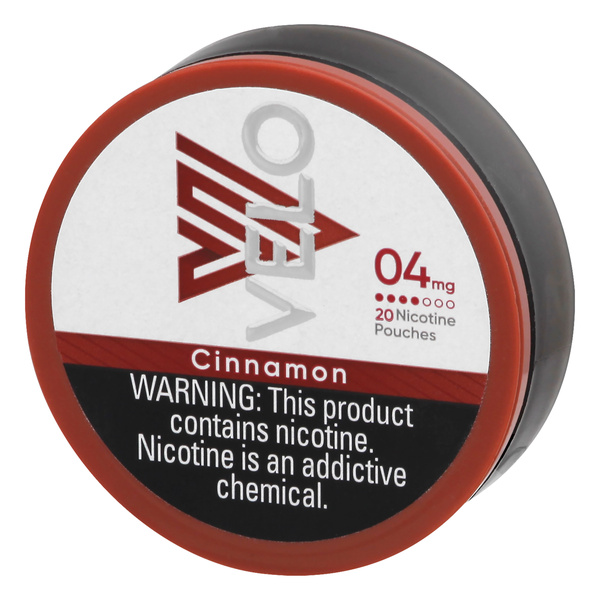
Mint remains the undisputed favorite flavor for UK pouch users. The Haypp report notes that mint was present in 58% of all cans sold, with Velo Freezing Peppermint 10.9mg ranking as the top-selling product for the second consecutive year.
That trend continued in separate 2025 flavor rankings from Haypp’s annual “Wrapped” data release. Peppermint pouches accounted for 24% of UK sales in 2025, followed by spearmint at 14%, cold mint at 9%, menthol at 6%, and chili at 5%. For vapes, cold mint was the most popular flavor at 13%, with blueberry (12%), mixed berries (11%), tobacco (9%), and strawberry (8%) rounding out the top five.
Across brands, Velo led the nicotine pouch market with a 35% share, followed by Nordic Spirit (14%), Zyn (11%), On! (5%), and XQS (5%). In the vaping category, shoppers favored Elf Bar (28%), Vuse (25%), Lost Mary (18%), SKE (13%), and Blu (10%), indicating that while products differ, mint flavors continue to resonate across formats.
Beyond flavors and brands, the Nicotine Pouch Report 2025 offers broader insights into user behavior. Smoked-to-pouch switching is a central theme: 57% of pouch users said they started using nicotine pouches to quit smoking, and another 27% said they switched from other nicotine products, primarily vapes.
An overwhelming 95% of those who switched from cigarettes reported feeling better afterward, underscoring the role pouches are playing in adult smoking cessation efforts.
Demographically, the typical online purchaser of nicotine pouches is male and urban, with about four in five buyers being men and the average age of initiation around 33. On average, UK pouch consumers use three cans per week, and “high-frequency” users (five or more cans per week) are most concentrated in Scotland.
The report also highlights concerns surrounding underage access. Although nicotine pouches are intended for adults, some users who said they began using products underage reported buying them from corner shops (56%) — a finding that aligns with ongoing UK public health concerns about nicotine product access and youth uptake.
Markus Lindblad, Haypp’s spokesperson, said the data reinforce the importance of flavor variety in supporting adult transitions away from smoking.
“Mint still dominates the flavor preferences in both the nicotine pouch and vape markets,” Lindblad said. “But we can see that berry flavors are popular among vape users and that chill-style flavors make it into the top five for pouches. Adults have varied tastes, and flavor variety is a crucial factor for adults successfully transitioning away from cigarettes.”
Lindblad also noted that the UK’s regulatory environment is in flux. The report’s insights come as the Tobacco and Vapes Bill advances toward implementation, with expected new age restrictions, flavor controls, and product regulations to address underage access while preserving adult harm-reduction options.
Industry observers say the combination of rapid market growth, expanding flavor preferences, and mounting policy focus is shaping a nicotine alternative landscape that continues to evolve — balancing innovation, adult demand, and regulatory priorities.