By Timothy S. Donahue
Top Takeaways:
- Funding: Skoka raised $21.5 million, including investments from professional athletes and business executives.
- FDA Filing: Its Oct. 1 PMTA submission covers 55 nicotine pouch products across 11 varieties and five strengths.
- Regulatory Investment: The company committed $15 million to scientific research and regulatory preparation before entering retail.
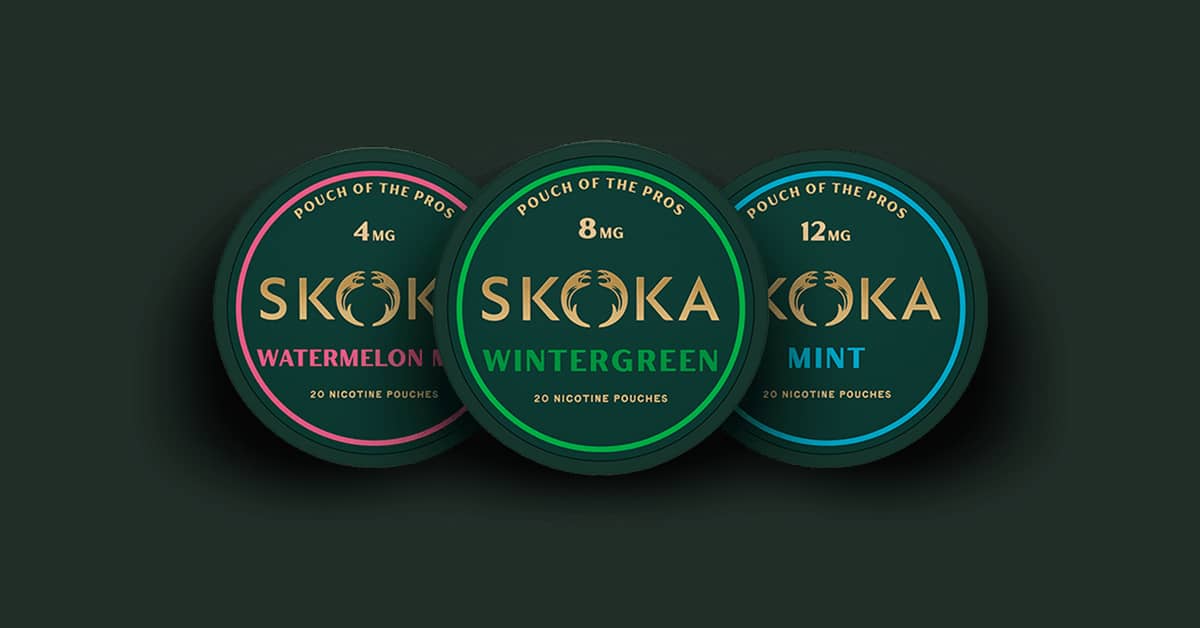
Skoka has $21.5 million, a roster of professional athletes backing it, and 55 nicotine pouch products awaiting FDA review. What it doesn’t yet have is a product on U.S. store shelves.
The nicotine pouch startup announced on October 29 that it submitted a bundled Premarket Tobacco Product Application (PMTA) to the U.S. Food and Drug Administration on October 1, covering 11 varieties across five nicotine strengths. The company hopes to begin U.S. retail distribution in 2027, pending regulatory authorization.
Founder and CEO Dan Aziz said Skoka deliberately delayed commercialization to develop its own formulations and supporting scientific evidence, rather than license an existing product.
“We had the opportunity to go to retail last year. We turned it down,” Aziz said. “We built this company science first. We developed a differentiated base formula using ingredients not traditionally found in nicotine pouches, and then we invested in a comprehensive bundled PMTA before going to market.”
Skoka has committed $15 million to its regulatory program, including three completed pharmacokinetic studies and research on toxicology, product stability, real-world use, and label comprehension. The company said its regulatory team members have previously worked on more than 200 products through the PMTA process.
Founded in 2024, Skoka spent about two and a half years developing its proprietary formulations and flavor system. The company has filed two patent applications covering its ingredients and blending processes.
Its formulations incorporate nine exclusive ingredients, including plant-based sweeteners. Skoka said it intends to publish complete ingredient information on its website when the products launch.
“I wanted a nicotine pouch that used plant-based sweeteners and couldn’t find one,” Aziz said. “Adults who use pouches every day want to know what’s in them and who’s standing behind them. We started from zero so we could answer both.”
The company’s financing includes investments from more than a dozen professional athletes across hockey, football, and golf, as well as business executives, team owners, and corporate investors.
Named backers include professional golfer Anthony Kim; NHL players Jack Eichel and Dylan Larkin; former NHL players Sam Gagner and Scottie Upshall; former NFL player Beau Allen; media executive Darren Throop; and PSG Equity founder Mark Hastings.
Skoka emphasized that the athletes invested their own money as individuals, rather than through endorsement or sponsorship agreements with their teams or leagues.
Aziz, a former hockey player who grew up near Toronto, previously founded Premama, a dietary supplement company that Dr. Reddy’s Laboratories acquired in 2023. He then worked in innovation and business development for the pharmaceutical company’s U.S. self-care division.
Skoka’s products are manufactured in the United States at FDA-registered facilities, using globally sourced ingredients. The company introduced the brand to distributors and retail buyers at the NACS Show in Las Vegas earlier this month.
The regulatory strategy places Skoka in a competitive nicotine pouch market dominated by established tobacco companies. According to FDA, 67 nicotine pouch products had received marketing authorization as of October 30, 2026, all from manufacturers affiliated with two major tobacco companies.
Submitting a PMTA does not constitute FDA authorization, and Skoka’s proposed 2027 launch remains contingent on meeting applicable regulatory requirements. The company has not announced a specific retail launch date or distribution footprint.
Aziz told Inc. that Skoka is targeting what he estimates to be 10% to 15% of the market, describing those consumers as ingredient-conscious nicotine users. The company said its initial financing has supported regulatory preparation, manufacturing expansion, and hiring, with additional funding planned for commercialization.