By Timothy S. Donahue
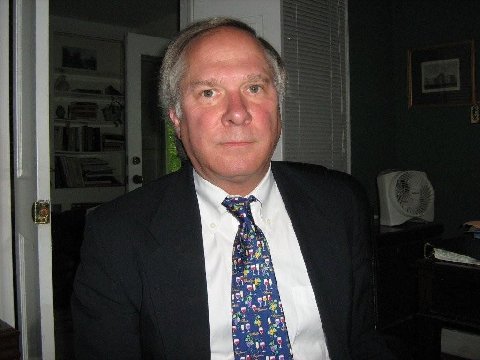
Scott D. Ballin, a longtime public health advocate known for bridging divides among tobacco control, industry, and agricultural stakeholders, has died, colleagues confirmed this week. No official details have been released.
Ballin, an attorney by trade, spent more than 30 years working on tobacco and public health policy, focusing on cigarette and smokeless tobacco labeling reforms, U.S. Food and Drug Administration regulation of tobacco products, excise taxes, clean indoor air laws, and issues that concerned tobacco farmers globally.
For more than a decade, Ballin served as vice president and legislative counsel at the American Heart Association, where he also served on the organization’s steering committee. In that role, he became widely respected for advancing tobacco control policies while insisting that durable public health outcomes required engagement across traditionally opposing groups. He didn’t stop there.
Later in his career, Ballin provided consulting services to public health organizations and served on the steering committee of the Alliance for Health, Economic and Agriculture Development (AHEAD). The group was formed to advance recommendations from the presidential commission report Tobacco at a Crossroads, including workable FDA tobacco regulation and economic transition strategies for U.S. tobacco farmers.
Colleagues said Ballin was an early advocate for addressing the economic impact of tobacco control policies, especially concerning farming communities, arguing that reducing smoking without supporting agricultural transitions (teaching farmers to grow other crops) would create critical gaps.
“Scott was a visionary leader in tobacco control, dedicating his life to engaging with diverse—and often divided—stakeholders united by the goal of ending smoking,” wrote Derek Yach, former executive director of the World Health Organization’s Tobacco Free Initiative. Yach said Ballin emphasized dialogue, respect, and collaboration long before such approaches were common in tobacco policy debates.
Yach also pointed to Ballin’s role in organizing the Morven gatherings in Virginia, which brought together representatives from academia, tobacco companies, public health organizations, the vaping sector, and philanthropy to discuss practical approaches to reducing smoking.

“He was widely respected for his ability to convene unlikely partners and transition conversations from ideology to action,” Yach wrote.
Others highlighted Ballin’s personal character alongside his policy work. Numerous tobacco harm reduction (THR) and nicotine industry stakeholders described Ballin as a “legend” in tobacco control.
“I am greatly saddened to hear about Scott passing,” wrote Matt Holman, senior vice president of government affairs at Reynolds American. “One of his characteristics that I most admired was his selflessness in helping others. He role-modeled what it looks like to help others without expecting anything in return.”
Cliff Douglas, former vice president for tobacco control at the American Cancer Society, said he had known Ballin for nearly four decades and described him as someone who consistently sought common ground.
“I will always remember his lifelong dedication to improving the lives of many and searching for ways to bring adversaries together in a challenging world in the name of progress,” Douglas wrote.
Ballin remained an advocate for neutral forums and constructive dialogue throughout his career, arguing that meaningful progress in tobacco control depended on cooperation among sectors often at odds with one another. He will be missed.