By Timothy S. Donahue
Top Takeaways:
Regulatory update: Brazil’s health regulator updated its online guidance covering tobacco product regulation.
Market requirements: Tobacco products must still be registered with the agency before being sold in Brazil.
Policy context: The update comes as Brazil maintains one of the strictest policies on vaping, including a nationwide ban.
Brazil’s health regulator has updated its official guidance page outlining the country’s regulatory framework for tobacco products.
The update appeared on the website of the Brazilian Health Regulatory Agency (ANVISA), which manages the registration, monitoring, and compliance requirements for tobacco products sold in Brazil.
According to the updated guidance, all tobacco-derived smoking products—whether made domestically or imported—must be registered with the agency before they can be marketed in the country. Registration must be completed by either a Brazilian manufacturer or an importer legally established in Brazil.
To register a tobacco product with Anvisa, the interested company (manufacturer or importer) must submit a report containing various information about the product. The submission is made electronically, and the Inspection and Health Surveillance Fee must be paid. In 2012, Brazil banned the use of additives that enhance the sensation of use or make the products more attractive, such as flavoring agents.
The updated information that the report must contain includes:
- List of tobacco types and parts of the plant used;
- List of all compounds used in the manufacture of the product and their respective purposes and quantities, i.e., the product’s composition;
- Physical and chemical parameters of the filter and wrappings (length, circumference, ventilation, pressure drop, chemical composition, weight, and permeability), in the case of products with filters;
- Analytical report on the substances and parameters present in the total tobacco. For cigarette-type products, primary and secondary stream analyses (Hoffman List) are also required. For cigars, analyses of nicotine, carbon monoxide, and tar (TNCO) in the primary stream are required;
- Product packaging layout.
The regulatory framework aims to ensure authorities have comprehensive information about product composition and emissions. It also complies with Brazil’s commitments under the World Health Organization Framework Convention on Tobacco Control, which requires transparency regarding the ingredients and emissions of tobacco products.
Brazil’s tobacco control system also enforces strict packaging and labeling regulations. Cigarette packages must display pictorial health warnings covering the entire back of the package, while text warnings are required on the front. These warnings are rotated periodically and must include information about substances present in tobacco smoke.
The update occurs amid broader regulatory activity by ANVISA. The agency recently approved its 2026–2027 Regulatory Agenda, which highlights priority areas for new or revised regulations across health-related sectors. The agenda includes 161 regulatory topics, many carried over from previous cycles and others newly proposed through public consultation.
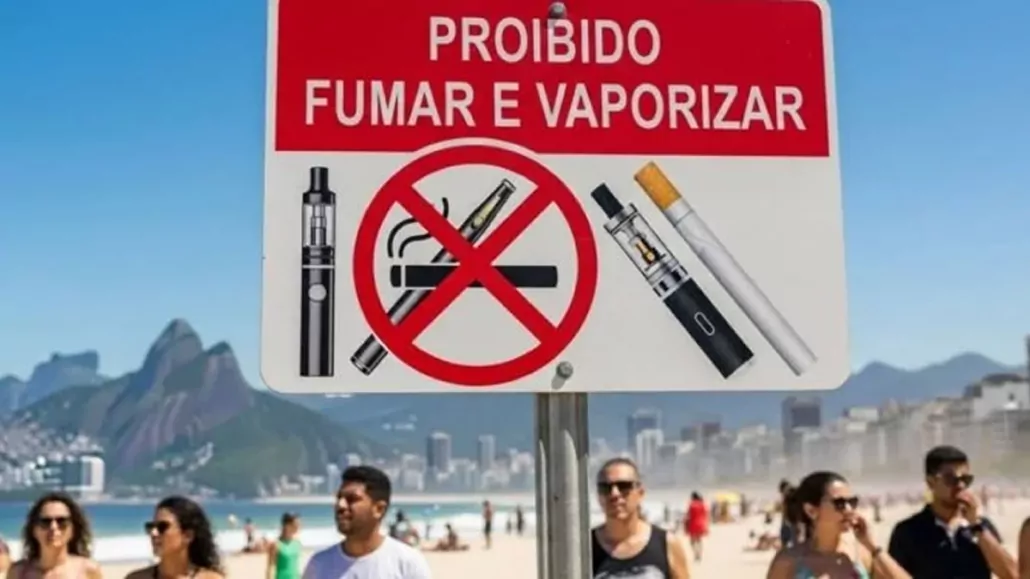
Brazil also continues to enforce strict rules on newer nicotine products. In 2024, ANVISA reaffirmed its long-standing ban on electronic smoking devices, prohibiting the manufacture, import, marketing, and advertising of e-cigarettes and similar products nationwide.
The 2024 regulation classifies electronic smoking devices into:
- Liquid-based products, which include electronic cigarettes;
- Solid-based products, which include heated tobacco products; and
- Hybrid-based products, which use both liquid and solid refills, including leaves.
Regardless of the type of matrix used, all electronic smoking devices are prohibited in the country.
The agency’s updated online guidance aims to give manufacturers, importers, and other stakeholders a clearer overview of Brazil’s tobacco regulatory framework and the requirements companies must fulfill to place products on the market.