By Timothy S. Donahue
Top Takeaways:
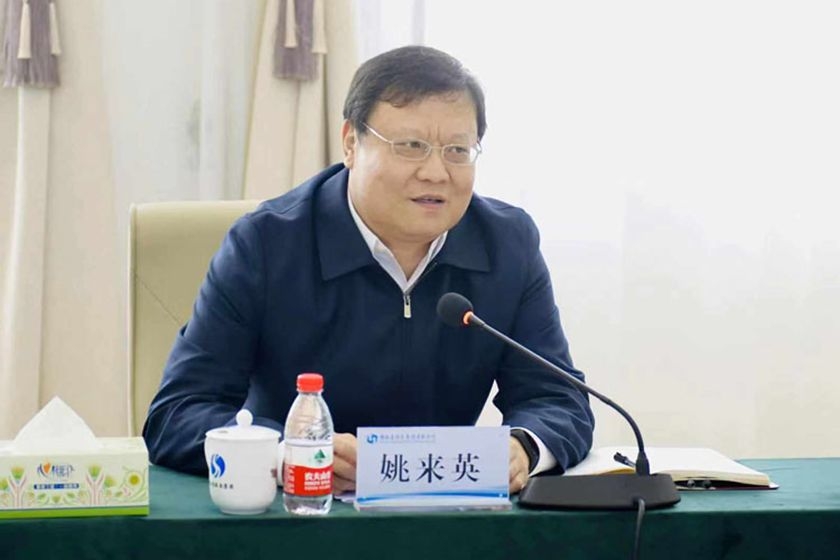
- Leadership shift: China appointed Yao Laiying as the party secretary of its tobacco regulator.
- Fiscal signal: Yao is from the State Taxation Administration, highlighting tobacco’s role in revenue.
- Strategic sector: The move underscores ongoing central control of one of China’s most profitable state monopolies.
China has appointed a new leader at the head of its tobacco regulatory agency, indicating an ongoing emphasis on financial oversight and government control of one of the country’s most profitable industries.
The State Tobacco Monopoly Administration (STMA) announced that Yao Laiying has been appointed party secretary, replacing Zhang Jianmin, in a leadership reshuffle confirmed at a meeting of senior tobacco system officials.
Yao previously served as the top deputy at China’s State Taxation Administration, a background that highlights the financial significance of tobacco to Beijing. China’s tobacco system—overseen jointly by the STMA and the state-owned China National Tobacco Corporation—produces one of the largest sources of government revenue in the country.
The appointment was made by a senior official from the Communist Party’s Organization Department, which manages key personnel decisions across major government sectors.
Zhang, whom Yao replaces, is over 61 and led the tobacco system through a period of steady state control, ongoing anti-corruption oversight, and gradual modernization of distribution and manufacturing systems.
China’s tobacco monopoly remains unique around the world, functioning as both regulator and operator. The system oversees everything from leaf procurement and manufacturing to wholesale distribution, with tight restrictions on competition and foreign involvement.
The leadership change occurs as China continues to balance public health concerns with the economic significance of tobacco. The country remains the world’s largest cigarette market, with hundreds of millions of smokers, and tobacco taxes and profits play a major role in government revenue.
Yao’s tax background may indicate a continued focus on revenue stability, compliance, and internal efficiency within the tobacco industry, even as regulators face long-term challenges to reduce smoking rates and adapt to changing nicotine product categories.
The move reflects Beijing’s broader pattern of assigning experienced fiscal and administrative officials to leadership positions across key state-controlled industries.