By Timothy S. Donahue
Top Takeaways:
Below target: Vuelta Abajo cultivated 11,426 hectares, falling short of the 14,000-hectare target despite a year-over-year rise.
Weather impact: Heavy rains and droughts disrupted planting, resulting in the loss of 19,000 seedlings.
Energy shift: Cuba is ramping up solar irrigation as power shortages affect tobacco production.
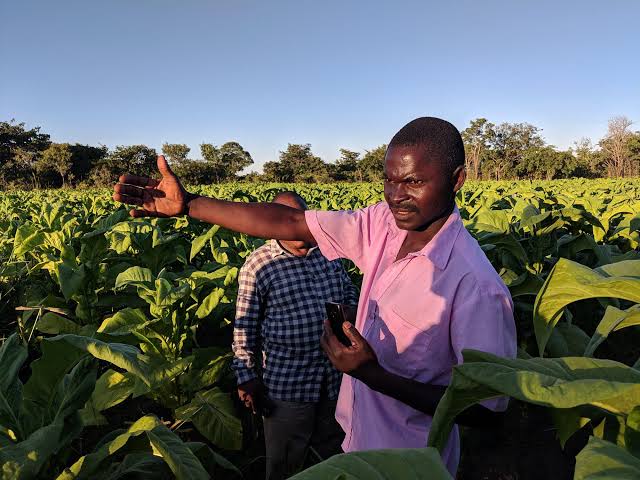
Cuba’s 2025–2026 tobacco season in the central growing region of Vuelta Abajo fell short of expectations, as weather disruptions and ongoing energy constraints impacted production in one of the world’s top cigar-growing areas.
According to reports citing officials from Tabacuba, the country’s government-owned tobacco monopoly, 11,426 hectares were farmed in Pinar del Río province—an increase from the previous season but below the initial target of over 14,000 hectares.
The numbers do, however, show an increase in production from the 2024-25 season. For comparison, the province harvested about 10,500 hectares during that season, showing modest growth despite ongoing structural challenges.
Osvaldo Santana Vera, Tabacuba’s provincial coordinator, said adverse weather conditions significantly contributed to the shortfall. “Nineteen thousand seed plants were lost due to heavy rains in September,” Santana Vera said, according to Guerrillero, the official newspaper of the Communist Party in Pinar del Río.
He added that drought conditions also interrupted planting schedules, especially in the northern areas of the province. Energy constraints remain a key issue in Cuban tobacco production. About 50% of tobacco fields depend on electric irrigation systems, making farmers vulnerable to the country’s persistent power shortages.
“For about two years, the Tabacuba group has been promoting a program aimed at changing the energy mix, with alternatives that prioritize the use of renewable sources in irrigation systems,” Santana Vera said.
“During the previous season, 213 systems were installed, work is underway on another 832, and 2,000 more are on order and will arrive in August of this year… so that at least 50% of irrigation will be covered by photovoltaic energy.”
He added that infrastructure upgrades are already underway across the supply chain. “In Pinar del Río, 100% of the warehouses, leaf sorting centers, and stripping centers are equipped with these lighting systems,” Santana Vera said.
Pinar del Río province, the capital of the Vuelta Abajo region, typically accounts for 60% to 70% of Cuba’s premium cigar tobacco production, making trends in the area closely watched by the global premium cigar industry.
For comparison, the province harvested about 10,500 hectares during the 2024–2025 season, showing modest growth despite ongoing structural challenges.