
By Timothy S. Donahue
Top Takeaways:
- Massive crackdown: Australian authorities have seized more than 20 million illegal vape products since vape reforms took effect.
- Enforcement surge: Regulators reported a 300-fold increase in enforcement of online vape advertising.
- Policy debate continues: Public-health experts remain divided over whether Australia’s prescription-only model is the best approach.
Australia’s aggressive anti-vaping enforcement campaign has led to the seizure of more than 20 million illegal vaping products, valued at an estimated AU$1 billion (US$650 million), underscoring both the scale of the country’s illicit vape market and the challenges regulators continue to face.
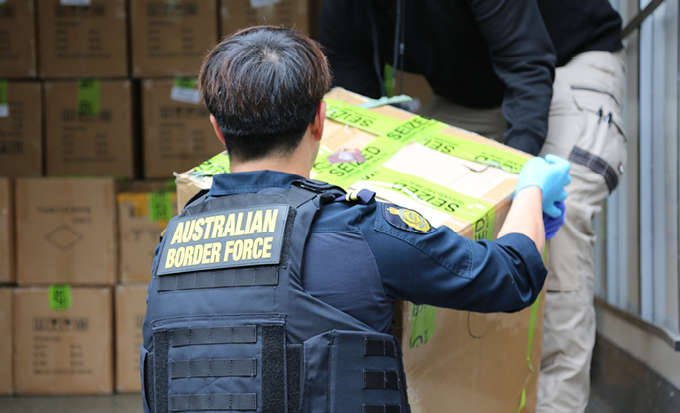
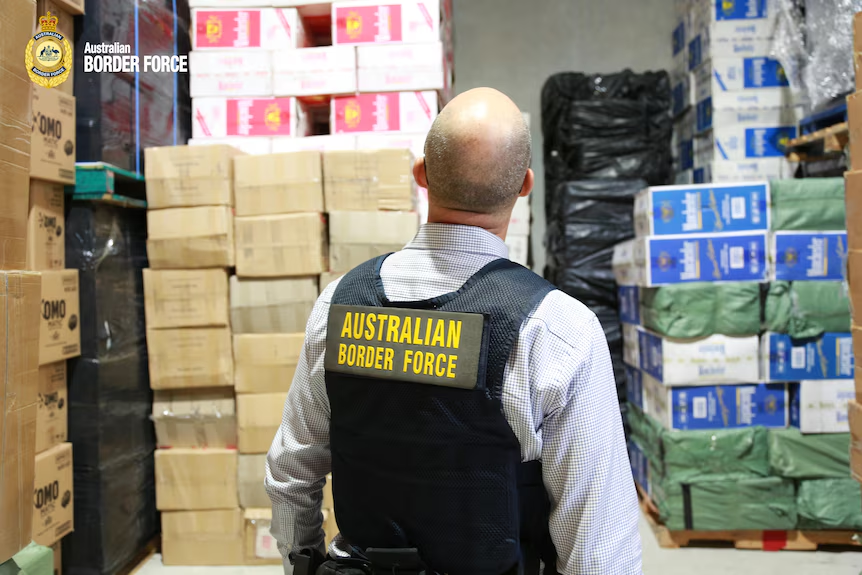
The Australian Border Force announced that it has seized 19.4 million vaping products, with an estimated street value of AU$974 million, since January 2024, when Australia’s vape import ban took effect.
The Therapeutic Goods Administration (TGA) separately removed 2.2 million illicit vaping products, valued at approximately AU$110.5 million, from the domestic market. The figures come as Australia continues to implement one of the world’s strictest vape regulatory frameworks.
The TGA said recent reforms established “a single national framework regulating the importation, domestic manufacture, supply, commercial possession, and advertising of vapes” and made it unlawful for non-pharmacy retailers to supply vaping products. “What we are doing is not just about enforcing the law, it is about protecting the health and wellbeing of Australians now and into the future,” the agency said.
Regulators have also significantly increased enforcement against online marketing. According to data expected in the TGA’s annual performance report, the agency issued 8,706 online advertising removal requests in fiscal year 2024-25, compared with 29 the previous year — a roughly 300-fold increase.
Becky Freeman, a tobacco-control researcher at the University of Sydney, praised the enforcement effort. “I’m pleased to see that the ABF has prioritized taking action to prevent these products from ever reaching the hands of young people,” Freeman said. “Sustaining high levels of enforcement efforts is a must. Making vapes much more difficult to access is essential to decreasing youth vaping.”
Freeman also highlighted the advertising crackdown. “That’s 24 ads a day or an ad an hour, if you will, that the TGA has taken down,” she said. “There were literally thousands and thousands of ads online that were promoting vapes.”
Yet the size of the seizures has also raised questions about the scale of demand. Wayne Hall, emeritus professor at the University of Queensland, said the numbers demonstrate “there is clearly a huge market” for vaping products.
“I think it may well have some impact on availability of vapes, particularly for young people if they’re much more expensive and difficult to obtain,” Hall said.
However, Hall questioned whether enforcement alone would reduce overall vaping prevalence and warned of potential unintended consequences. “The harder test is whether it’s going to have an impact on the prevalence of vaping,” he said, adding that restrictions could potentially encourage some consumers to return to combustible cigarettes.
Hall has long advocated for a regulated consumer market, similar to approaches used in New Zealand and the United Kingdom. “Which is to create a legal market for these products and regulate the type of products that can be sold and ensure that age restrictions on purchases are enforced,” Hall said. “None of that happens in an illicit market.”


