By Timothy S. Donahue
Top Takeaways:
Legal challenge: Hemp company seeks to cancel Lost Mary trademark, claiming it was based on illegal sales.
FDA backdrop: Complaint mentions dozens of FDA warning letters related to unauthorized disposable vapes.
IP meets regulation: Case tests whether non-compliant products can uphold U.S. trademark rights.
A rapidly expanding vape brand now faces a legal battle that challenges the relationship between trademarks and regulation in the U.S.
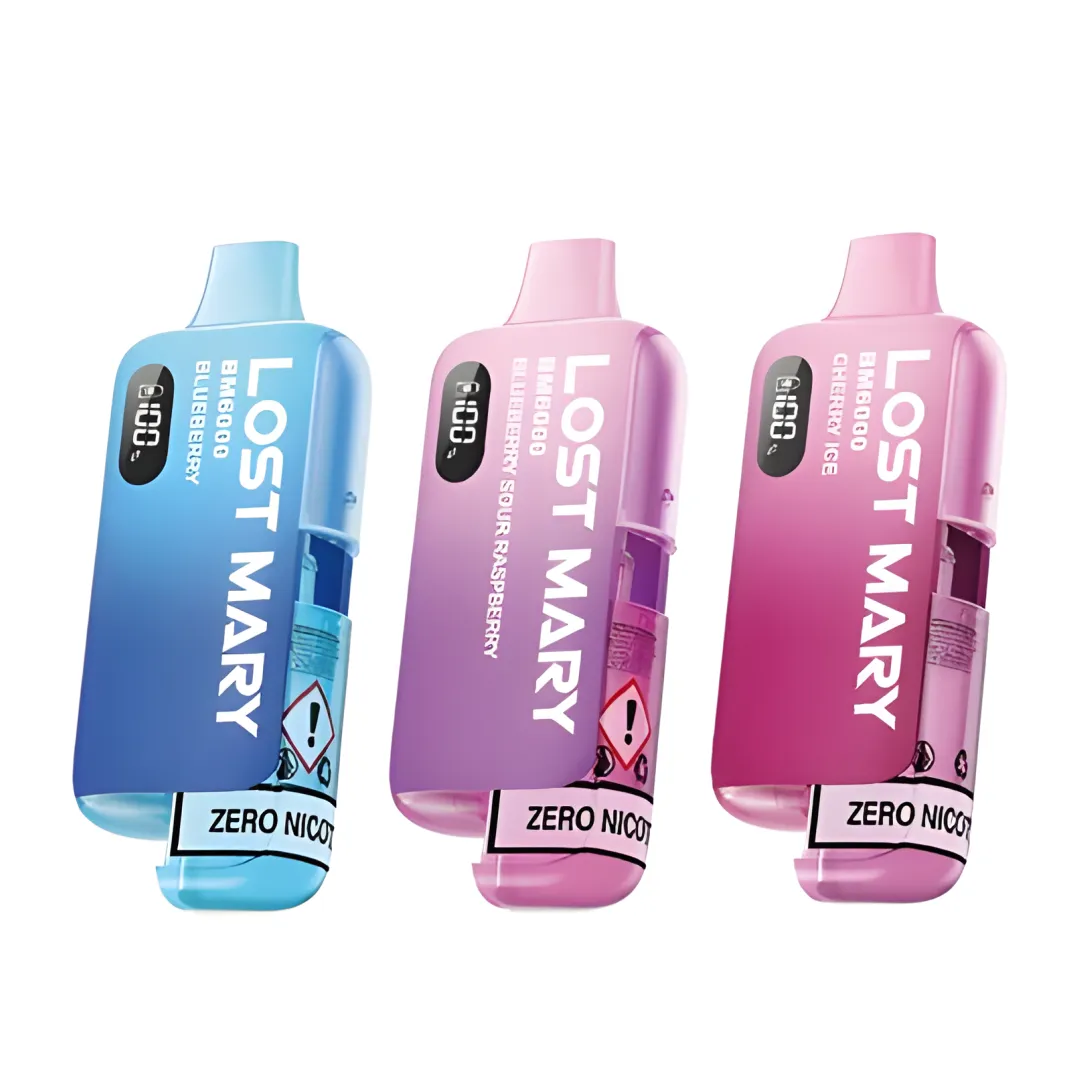
North Carolina-based JLT Imports Inc. has filed a lawsuit in California federal court seeking to cancel the “Lost Mary” trademark held by Imiracle (HK) Ltd., arguing that the mark is invalid because it has been used exclusively with unlawful products.
The complaint, first reported by Law360, focuses on a clear but important issue: a trademark cannot be protected if it is used in violation of federal law.
JLT claims that Imiracle marketed and sold Lost Mary disposable vape products in the United States without obtaining necessary premarket authorization from the U.S. Food and Drug Administration, making the use of the mark unlawful from the beginning.
“Imiracle has never obtained authorization from the FDA to market its Lost Mary products in the United States,” the complaint states, adding that the company “cannot claim trademark rights based on unlawful use in commerce.”
The filing highlights over 40 FDA warning letters referencing Lost Mary products as proof that the brand has been marketed outside the agency’s regulatory framework. The FDA has consistently stated that most flavored disposable e-cigarettes lack authorization and are therefore illegal to sell in the U.S.
The dispute traces back to a trademark fight.
According to the complaint, the conflict started in November 2024 when Imiracle submitted a notice of opposition to the U.S. Patent and Trademark Office to block JLT’s application for “LOST THC,” claiming the name was confusingly similar to “Lost Mary.”
JLT’s lawsuit counters that argument, seeking the court not only to dismiss Imiracle’s claims but also to cancel the Lost Mary registration entirely.
The company also contends that the mark has effectively been abandoned, arguing there has been no lawful use in commerce for at least three consecutive years—another reason for cancellation under U.S. trademark law.
Beyond trademark validity, the suit alleges false advertising related to product labeling.
JLT highlights packaging language indicating that Lost Mary products are “only allowed in the United States,” arguing this statement is misleading due to the lack of FDA authorization.
The case comes at a time when the FDA continues to increase enforcement against unauthorized disposable vapes, especially products linked to Chinese manufacturers that have gained significant U.S. market share despite not having premarket tobacco product application (PMTA) clearance.
For the nicotine industry, the effects extend beyond just one brand.
If the court accepts JLT’s argument, it could set a clearer precedent that trademarks associated with non-compliant nicotine products are at risk of cancellation—potentially opening a new legal avenue alongside existing regulatory enforcement.