By Timothy S. Donahue
Top Takeaways:
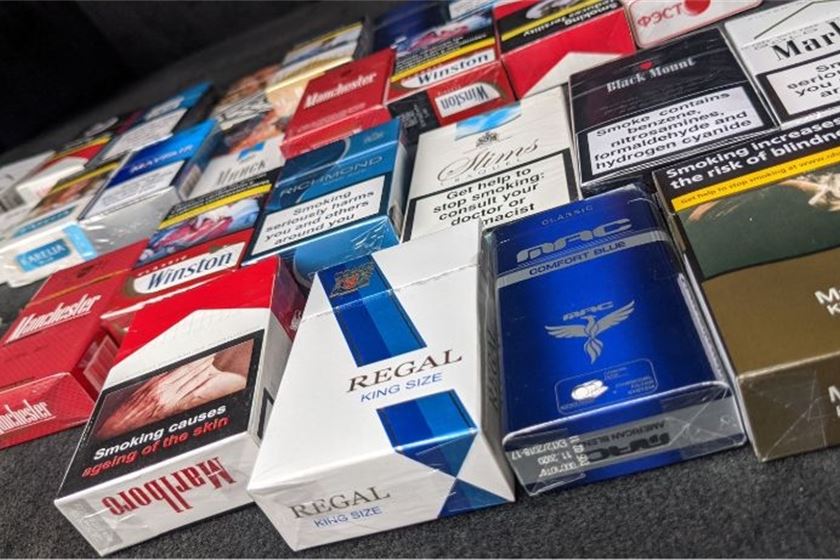
Illicit surge: More than 2,000 UK retailers caught selling illegal cigarettes in the past year.
Enforcement gap: Seizures exceed £1.3M in some regions, but trade continues to grow quickly.
Policy tension: Data drives discussions on taxation, regulation, and the expansion of black markets.
The UK’s illegal tobacco issue is escalating rapidly. More than 2,000 retailers nationwide have been caught selling non-duty-paid cigarettes in the past year, according to new Freedom of Information data, highlighting the size and persistence of the illegal market despite ongoing enforcement efforts.
The data, analyzed by nicotine pouch group Alternix, indicates widespread availability of illegal tobacco products, raising concerns about consumer safety, lost tax revenue, and the effectiveness of current regulations.
At the local level, the issue is very concentrated. Liverpool became the UK’s top hotspot, with 125 retailers selling non-duty-paid cigarettes so far in the 2025/26 fiscal year—a 166% rise from 2022/23.
Other major areas include Newport and Lancashire, where more than 100 and 90 retailers, respectively, have been identified as selling illegal products. The growth trend is even more remarkable in certain regions.
Hertfordshire experienced over a 2,200% rise in illegal cigarette activities since 2022/23, showing how fast the black market can grow once it is established. At the same time, enforcement actions only show part of the picture.
Rochdale reported the highest value of seized illegal cigarettes so far in 2025/26, totaling roughly £1.28 million (US$1.72 million), followed by Medway and Staffordshire, each exceeding £500,000 in seizures. In London’s Haringey borough, the estimated value of seized goods increased by over 65,000% compared to 2022/23 levels, reflecting both enhanced enforcement and a rapidly growing black market.
Industry insiders suggest the implications extend beyond lost revenue. “Illicit tobacco continues to present a significant challenge in the UK,” said David Phillips of Alternix. “These products bypass the regulations designed to protect consumers and reduce harm, making it harder to achieve meaningful progress on smoking cessation rates.”
The data feeds into a broader policy debate. Advocates argue that high taxes and strict regulations—especially on combustible products—can unintentionally push consumers toward unregulated alternatives, making enforcement harder and harming public health goals.
Meanwhile, the rise of illegal trade occurs as regulators keep tightening restrictions on nicotine products, including disposable vapes and flavored tobacco, putting more pressure on legal supply channels.