By Timothy S. Donahue
Top Takeaways:
- Policy clash: The tobacco industry was allowed closed-door testimony in Senate inquiry
- Health backlash: Advocates cite WHO rules on limiting industry influence in policy talks
- Transparency issue: Critics say the private session undermines public trust in policymaking
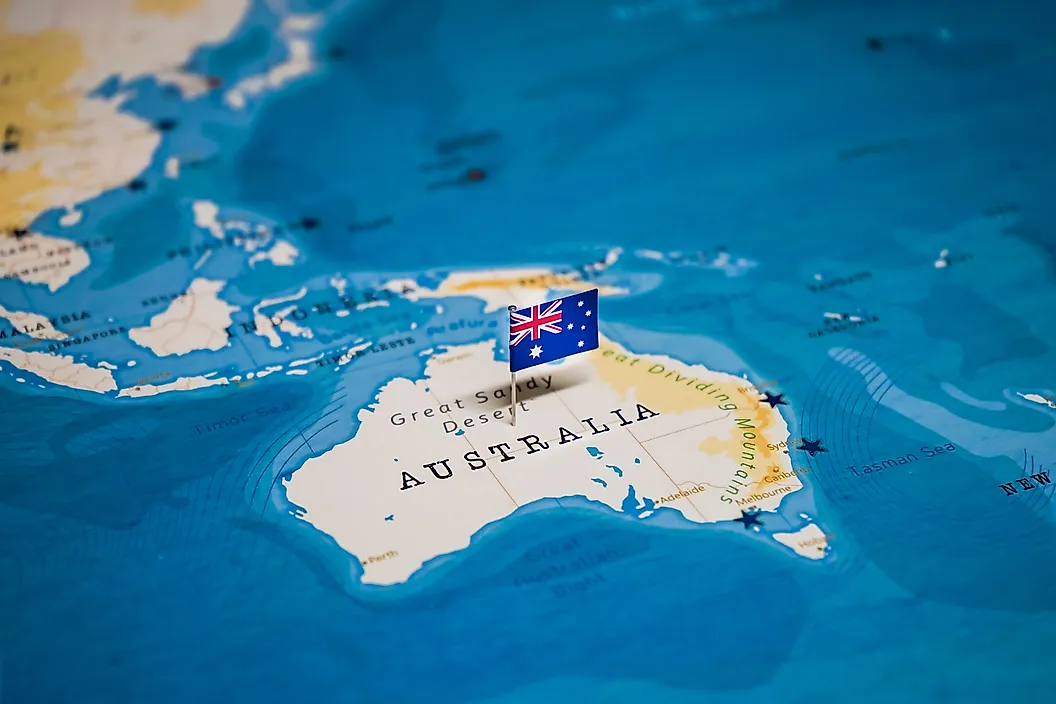
Australia’s tobacco control framework is under scrutiny after a parliamentary inquiry permitted tobacco industry representatives to testify in a closed-door session, prompting sharp criticism from health officials and advocacy groups.
Representatives from Philip Morris International appeared before a Senate committee examining the illicit tobacco trade, but did so during an undisclosed “in camera” session not listed on the public hearing schedule.
The move prompted objections from lawmakers and public health stakeholders, who argued that it breaks with long-standing efforts to limit the tobacco industry’s influence on policy.
Australia’s Health Minister Mark Butler had warned against such engagement ahead of the hearing. “I would strongly advise against the committee inviting representatives that undermine this obligation,” Butler wrote, referencing Australia’s commitments under the World Health Organization’s tobacco control framework.
That framework—specifically Article 5.3 of the WHO convention—calls on governments to protect public health policy from interference by the tobacco industry, according to media reports.
Lawmakers echoed those concerns during the hearing. “We have just taken evidence in camera from Philip Morris. I shared with them during our exchanges my opposition to their presence in this inquiry as witnesses,” said Greens senator Jordon Steele-John.
Labor senator Jana Stewart also warned that public officials must remain cautious when engaging with tobacco companies, given the potential for influence.
Public health groups were more direct. “The tobacco industry is not a neutral stakeholder. It is a commercial actor whose profits depend on the continued sale of a product that kills Australians every day,” said Laura Hunter, chief executive of the Australian Council on Smoking and Health.
Hunter added that including industry voices in this way does not improve policymaking. “It compromises it,” she said.
Other advocates pointed to the historical context. “You only have to look at the tobacco companies giving evidence before the US Senate, denying lung cancer in the ‘60s and ‘70s to play it out,” said Mark Brooke, chief executive of the Lung Foundation Australia.
“It’s fair to say big tobacco says things like ‘we want to un-smoke the world’ but then challenges every meaningful attempt by governments… to cease production or sales of their products,” he added.
Concerns also centered on the lack of transparency. “We’re very concerned that they were given that opportunity behind closed doors, away from the scrutiny of the Australian public,” said Jacinta Reddan, chief executive of Cancer Council Australia.
Government officials questioned the decision to hold the session privately. “Australians should be shocked and outraged that today the committee chose to get secret evidence from big tobacco,” Assistant Minister for Customs, Julian Hill, said.
The Senate inquiry, chaired by Liberal senator Leah Blyth, is examining Australia’s growing illicit tobacco market, which has become a major policy and enforcement issue in recent years.