By Timothy S. Donahue
Top Takeaways:
- AI expansion: FDA upgrades internal AI platform and launches unified data system
- Workflow shift: Elsa now sits directly on top of the agency’s data infrastructure
- Regulatory impact: Agency says AI deployment will speed reviews and modernize operations
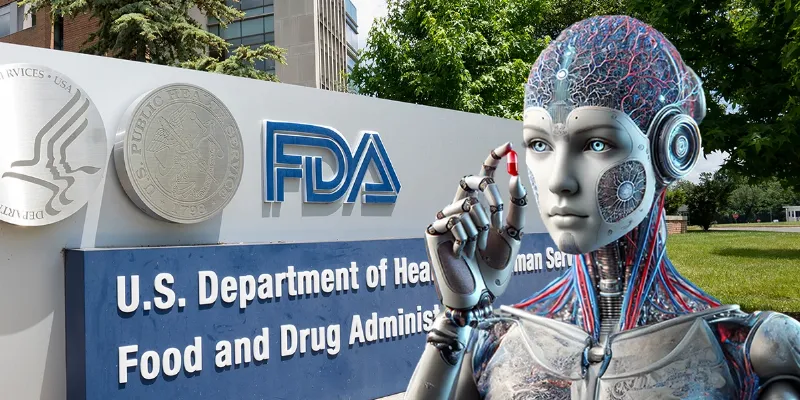
The U.S. Food and Drug Administration is accelerating its push into artificial intelligence, unveiling a major upgrade to its internal AI platform and a sweeping consolidation of agency data systems to reshape how regulators handle reviews, submissions and scientific analysis.
The agency announced the launch of Elsa 4.0, the latest version of its internal AI tool, available across FDA operations, from scientific reviewers to investigators, and simultaneously rolled out HALO—short for Harmonized AI & Lifecycle Operations for Data—a new platform that consolidates more than 40 separate application, submission, and data systems across FDA centers.
Together, the projects mark one of the agency’s most aggressive technology modernization initiatives in years. “Elsa’s new capabilities once again position FDA as a leader in deploying AI tools that empower staff,” said FDA Commissioner Marty Makary. “Removing tedious burdens for staff enables them to focus more on science and makes their work streams more efficient and enjoyable. We have some of the best scientists in the world and we need to take good care of them.”
FDA officials said the integration of HALO and Elsa will fundamentally change how agency staff access and use regulatory data. “With the consolidation of our application and submission data sources, systems and portals into HALO and the improvements in Elsa’s capabilities, Elsa will soon become the main entrée into the FDA’s systems and data,” said Jeremy Walsh, chief AI officer. “Previously, FDA staff would bring data to Elsa. Now, Elsa sits on top of our data.
“Integrating AI into our workflows is an urgent priority that will allow us to rapidly advance regulatory science and deliver more cures and meaningful treatments to patients faster.”
The latest Elsa release includes custom AI agents, document generation, quantitative data analysis, chart and graph creation, OCR scanning, voice-to-text dictation, and enhanced repository search functions.
FDA said Elsa can also access refreshed secure web data through a controlled search capability. Officials emphasized that the platform is not directly connected to the internet and does not train on regulated industry submissions or sensitive agency data.
The system operates in a FedRAMP High-secured Google Cloud Platform environment, according to the agency. FDA launched the first version of Elsa in June 2025 and said the Office of Digital Transformation has steadily expanded its use across review divisions and operational workflows.
The announcement could have long-term implications for product application review timelines, scientific analysis, and enforcement operations within FDA centers, including the Center for Tobacco Products.
The agency did not specify how Elsa and HALO may ultimately affect premarket tobacco product application (PMTA) review processes or compliance workflows, but the initiative signals the FDA’s broader effort to automate data handling and streamline regulatory operations across product categories.