By Timothy S. Donahue
Top Takeaways:
Policy shift: FDA proposes removing “gender” references from regulations
Tobacco impact: Critics say PMTA vulnerable population language could narrow oversight
Research concerns: Legal experts warn that changes may affect data collection and representation
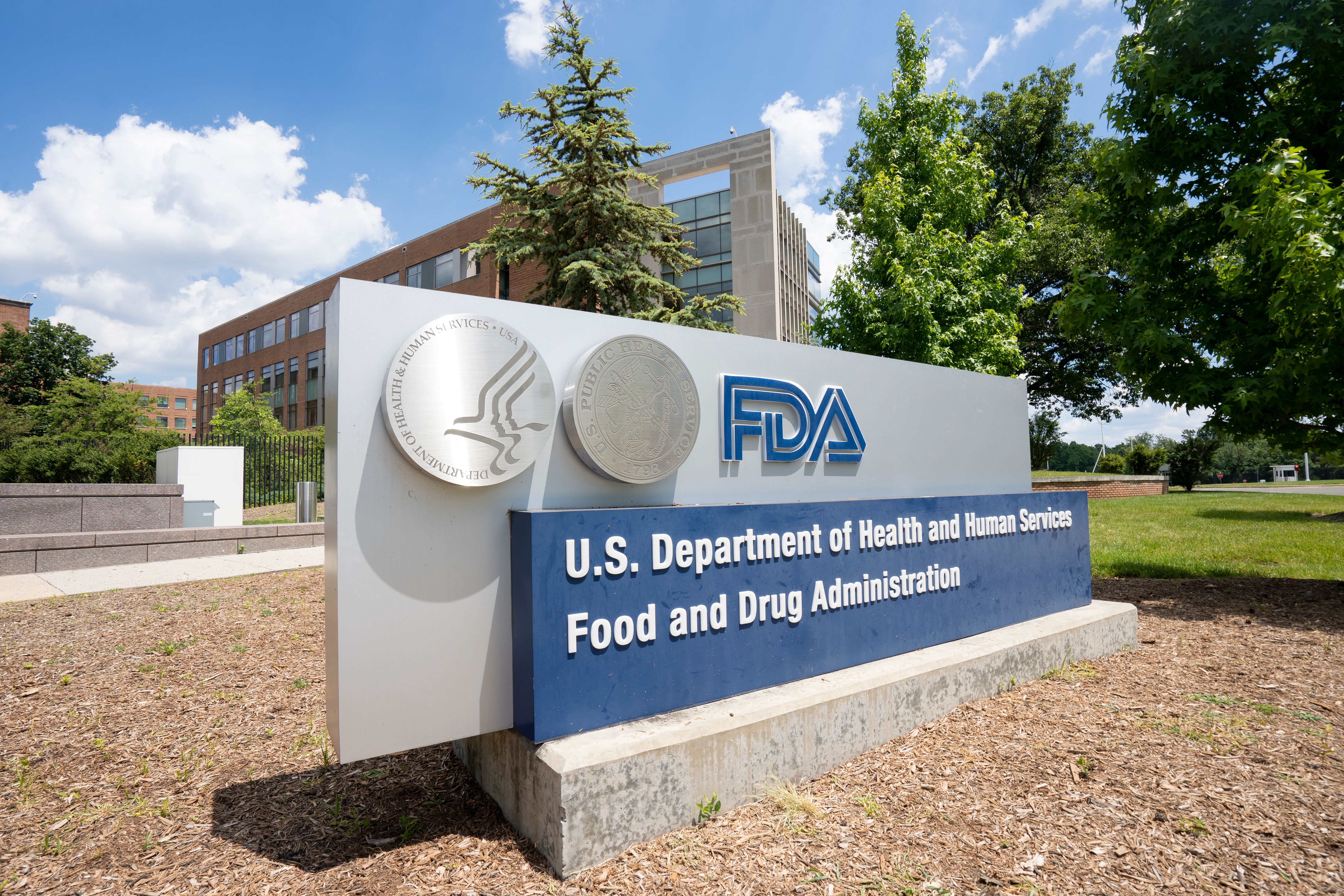
A proposed U.S. Food and Drug Administration rule to remove references to “gender” across agency regulations is drawing concern from legal and policy experts, who say the change could have implications for tobacco regulation, clinical research and oversight of vulnerable populations.
The proposal, issued this week, follows a 2025 executive order by Donald Trump that emphasizes “biological sex” across federal government policies and practices. The FDA said the proposed revisions are not expected to materially alter industry operations.
The agency stated that the proposal “does not impact industry practice” and that it “does not anticipate any measurable change in industry.” However, several legal experts questioned whether the practical effects may extend beyond what the agency suggests—particularly in areas involving public health review standards and research on underrepresented groups.
“It seems to be mostly, even with their own kind of telling of it, a little bit of political theater or compliance with the executive order,” said I. Glenn Cohen, professor and faculty director for the Petrie-Flom Center for Health Law Policy, Biotechnology and Bioethics at Harvard Law School. “I’m not sure whether they’re right that there’s not going to be any effects.”
Cohen said it remains unclear why the FDA considered the changes necessary. “I would expect their analysis to explain more about what the legal landscape and current usage looks like,” he said.
For the nicotine and tobacco industry, one of the more significant questions concerns the FDA’s premarket tobacco product application (PMTA) process and how the agency defines “vulnerable populations” in public health reviews. According to the report, the proposed language changes would remove references to “sexual or gender minorities” from those reviews.
That has prompted concern among some public health and advocacy groups. “They’ve not only taken out the consideration of trans people, but they’re also now not considering LGBTQ, queer people in general, to fall under the definition of vulnerable populations and the tobacco part,” said Andrew A. Ortiz, senior policy attorney at the Transgender Law Center.
Ortiz told Bloomberg that the tobacco industry’s historical marketing directed at LGBTQ communities. “There’s a documented history of them targeting queer communities,” Ortiz said. “And so I would like to hope that we’re not in a time where this gets removed and then they’re instantly back and trying to do that thing because they don’t feel like they have to report on it anymore.”
According to critics, the proposed changes could also affect how institutional review boards evaluate research participation and representation. “If the only operative question for the composition of an IRB is sex, it would mean the FDA would not have to consider gender identity,” said Elana Redfield, federal policy director at the Williams Institute.
Experts also raised concerns about broader implications of data collection for adverse event reporting and subpopulation analysis. “If we’re not collecting data or we don’t know what the outcome is, there can be assumptions or misinformation or underinformation can be spread in a community that ends up having a negative impact on folks as a whole,” Ortiz said.
Redfield described the proposal as part of a larger government-wide policy shift already appearing across forms, surveys and administrative systems. “There’s something somewhat mundane about what’s happening,” Redfield said, “which is that it’s kind of going through and making these subtle changes throughout the language that don’t appear to carry a lot of weight.
“But if you look at them in total, what you see is this government-wide effort to eradicate any mention of or recognition of transgender, nonbinary, and intersex people.”