By Timothy S. Donahue
Top Takeaways:
- Court ruling: Oregon Supreme Court upholds Washington County flavor ban
- Preemption fight: Justices reject claims state licensing law blocked local restrictions
- Regulatory signal: Decision could strengthen local tobacco control authority in Oregon
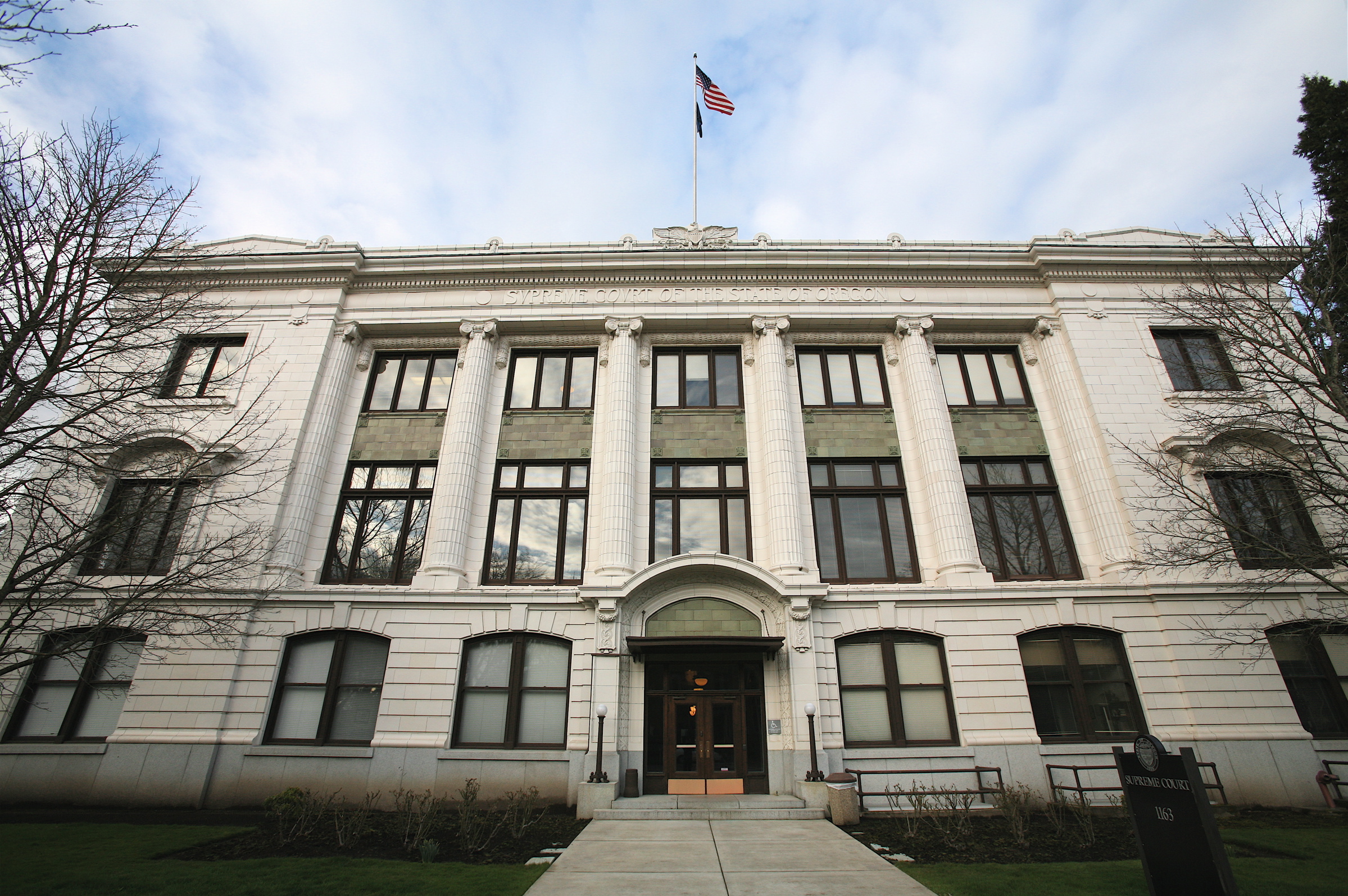
The Oregon Supreme Court has upheld Washington County’s flavored tobacco ban, delivering a significant legal victory for local governments in Oregon in the ongoing battle over state preemption and nicotine regulation.
The ruling preserves Washington County Ordinance 878, a law approved by voters that bans the sale of flavored tobacco and vaping products in the county northwest of Portland.
The case, Schwartz et al. v. Washington County, centered on whether Oregon’s statewide tobacco licensing law—Senate Bill 587—precluded local governments from imposing stricter restrictions on flavored nicotine products.
Retailers challenging the ordinance argued that the state licensing framework effectively granted businesses the right to sell all lawful tobacco and nicotine products statewide, thereby preempting local bans.
The Supreme Court disagreed.
Writing for the court, Judge Bronson James stated that the state law lacked the clear language required to block local regulation. “As we have noted, the legislature is well aware of how to use language to signal its intent to preempt local regulation—either by using the word ‘preempt’ specifically or using the phrase ‘no local authority shall enact’,” James wrote.
The court further held that it was not “impossible” for the state licensing scheme and the county ordinance to operate concurrently, a key standard in Oregon preemption cases. While acknowledging some ambiguity in the statute, the court concluded “none of those uncertainties rise to the level of an unambiguous expression of an intent to preempt.”
The decision marks the latest development in a legal battle that has spanned more than five years. Washington County commissioners initially passed the flavored tobacco ban in 2021. The measure was temporarily delayed after opponents forced a ballot referendum, but county voters later approved the ordinance.
A lower court ruled in favor of retailers in 2022, with Judge Andrew Erwin finding that the state licensing law preempted the county ban. That ruling was later overturned by the Oregon Court of Appeals, which found that the two laws could coexist—a position now affirmed by the state’s highest court.