By Timothy S. Donahue
Top Takeaways:
- Planting target: Cuba aims to plant 14,000 hectares of tobacco next season.
- Solar push: Hundreds of solar-powered irrigation systems are being deployed.
- Recovery continues: Production expansion follows damage from Hurricane Ian.
In a country increasingly defined by fuel shortages and blackouts, Cuba’s tobacco growers are looking toward the sun.
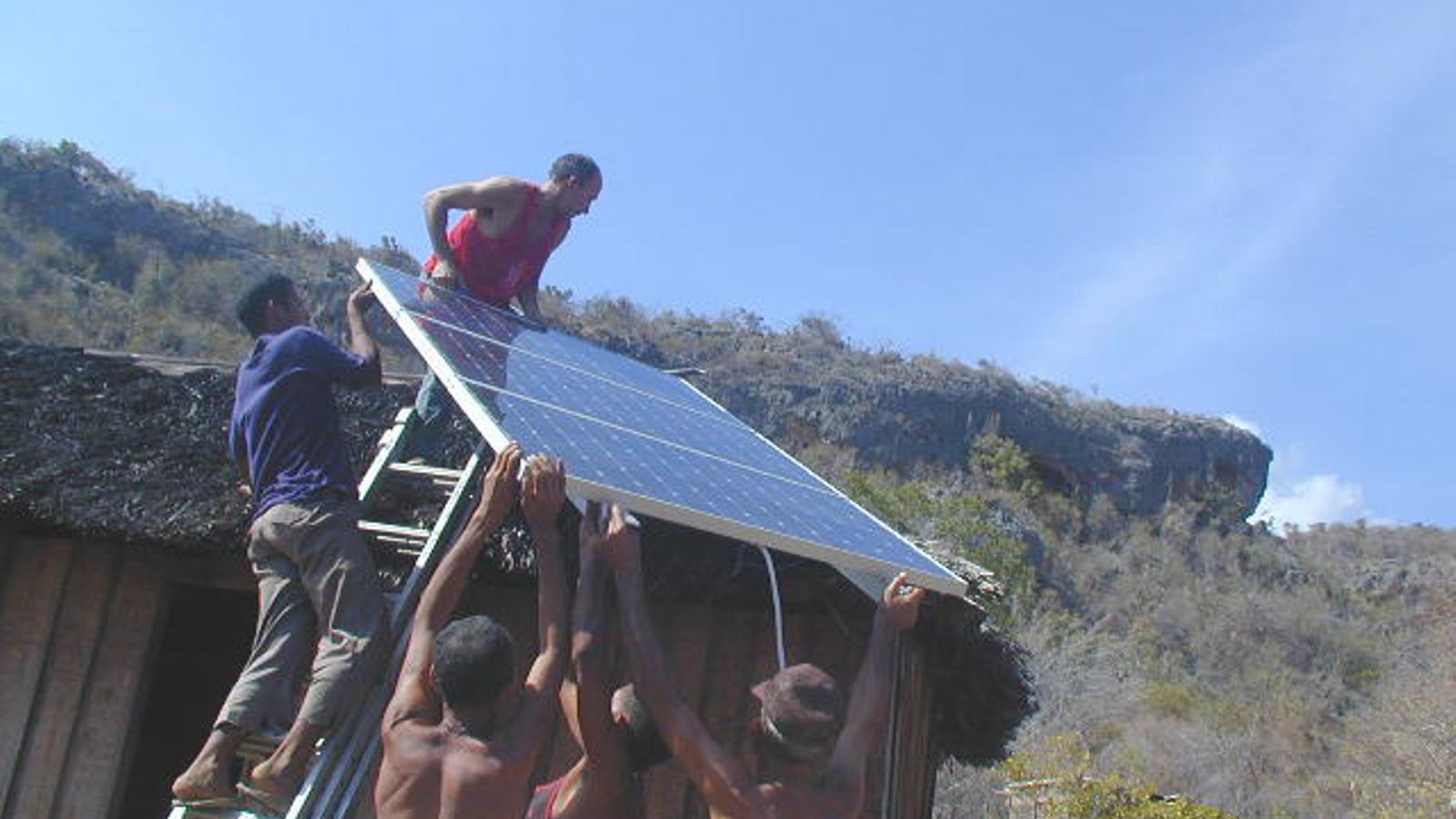
Tabacuba, the state-owned holding company overseeing the country’s tobacco industry, plans to dramatically expand solar-powered irrigation to increase tobacco production in the country’s most important growing region.
Tabacuba plans to plant approximately 14,000 hectares of tobacco in Vuelta Abajo, Cuba’s premier tobacco-growing region, during the 2026-27 growing season, while expanding renewable-energy irrigation systems across the country’s tobacco heartland.
“Achieving that 50 percent of the areas currently with electric irrigation use renewable energy sources is the goal of the Tabacuba Business Group for the 2026-2027 campaign,” said Osvaldo Santana Vera, Tabacuba’s agricultural director.
The target reflects a renewed effort to meet a planting goal that fell short last season. While Tabacuba originally targeted 14,000 hectares for the 2025-26 crop, just over 10,000 hectares were ultimately planted, still representing an increase from the prior year.
According to Santana Vera, more than 10,000 hectares have already been contracted for the upcoming crop. The expansion comes as Cuba’s tobacco industry continues to adapt to persistent fuel shortages, electrical outages and broader economic pressures that have affected nearly every sector of the island’s economy.
“This has been a difficult timeline for producers due to the energy crisis,” Santana Vera said. “Hence, the path forward remains renewable energy sources.”

Solar irrigation has become a central element of that strategy.
Pinar del Río, which produces more than 70% of Cuba’s tobacco crop and all of the country’s filler and binder tobacco, already has 449 solar-powered irrigation systems installed, according to Tabacuba. Another 600 systems are being deployed, and approximately 1,500 additional solar-powered pumps are expected to arrive between August and September, ahead of October planting.
The renewable-energy push extends beyond the fields. “For the past two years, progress has been made in changing the energy matrix,” Santana Vera said, adding that tobacco sorting, stripping, and storage facilities throughout Vueltabajo have also been equipped with solar systems.
The investment follows years of disruption caused by Hurricane Ian, which devastated western Cuba in September 2022 and destroyed much of the region’s tobacco infrastructure.
“Following Hurricane Ian in September 2022, our strategy has been to increase planting areas by about two thousand hectares per year, and this has been accompanied by an increase of about one thousand tons per season,” Santana Vera said.
The solar strategy reflects a broader shift underway across Cuba’s tobacco sector. “Life has told us that we must migrate to other energy sources,” José Liván Font, first vice president of Tabacuba, said previously as the company accelerated renewable-energy projects across tobacco-growing regions.
The effort appears to be producing results at the farm level.
“It is no less true that irrigating the fields was a real problem due to extensive power outages and a lack of fuel; however, we can now say that this situation is almost resolved,” Mario Luis Zamora Medina, general director of the Integrated Tobacco Company in Consolación del Sur, said of the photovoltaic irrigation rollout.

Farmers have also praised the systems for reducing reliance on fuel deliveries and the national electrical grid. “The mere fact that we are not dependent on fuel or electricity is a tremendous achievement,” local tobacco cooperative leader Elena Duque Barbosa said. “That each farmer has and can use an irrigation system at their discretion is vitally important.”
Within the premium cigar industry, the success of the initiative will be closely watched. Cuba’s tobacco sector remains one of the country’s most important export industries, but production has faced mounting pressure from labor shortages, logistical disruptions, and recurring energy challenges.
As Cuba attempts to rebuild output following Hurricane Ian and years of infrastructure strain, Tabacuba is increasingly wagering that the future of tobacco production will be powered as much by sunlight as by tradition.
The backdrop to all of this remains uncertainty. Cuba’s energy crisis continues to deepen as oil supplies from traditional partners have grown increasingly unreliable. Venezuelan shipments have been halted by U.S. sanctions, and Mexican exports have been limited amid broader trade tensions with Washington.
With the future of U.S.-Cuba policy under the Trump administration still unclear, tobacco industry officials have limited insight into whether those pressures will ease or intensify. For now, however, tobacco remains one of the few sectors that continues to generate hard currency for the island.
Through a combination of solar power, infrastructure investment, and adaptation, the industry appears determined to keep the lights on even as much of the country struggles to do so.