By Timothy S. Donahue
Top Takeaways:
- Operational strain: Fuel shortages disrupt planting, transport and curing in key region
- Production risk: Cuba falls short on hectares and curing infrastructure targets
- Energy shift: Industry pushing solar irrigation to offset chronic fuel constraints
Cuba’s tobacco sector is under mounting operational pressure as fuel shortages linked to U.S. sanctions continue to disrupt one of the country’s most critical agricultural infrastructures.
Officials say the constraints are affecting nearly every stage of production—from planting and harvesting to curing and transport—especially in Pinar del Río, which accounts for more than 70% of Cuba’s tobacco output.
Osvaldo Santana Vera, agricultural director of the Tabacuba Business Group, said the fuel shortage has forced difficult prioritization decisions throughout the supply chain.
“More than five million were requested for this campaign and we have been able to use around three million, due to the lack of fuel,” Santana Vera said, referring to fuel allocations needed to support operations.
Transport logistics have been particularly strained.
He said that moving tobacco from the municipality of Sandino to Pinar del Río requires about 80 trucks daily, each consuming 80 to 90 liters of diesel—fuel that is now in short supply.
As a result, available fuel has been redirected toward the most critical activities.
“The little fuel we currently have is concentrated on tobacco curing… and on irrigation due to the drought in the province,” Santana Vera said, pointing to operations in Sandino, San Luis and Consolación del Sur, key areas for Virginia tobacco production.
The shortages are also affecting infrastructure development.
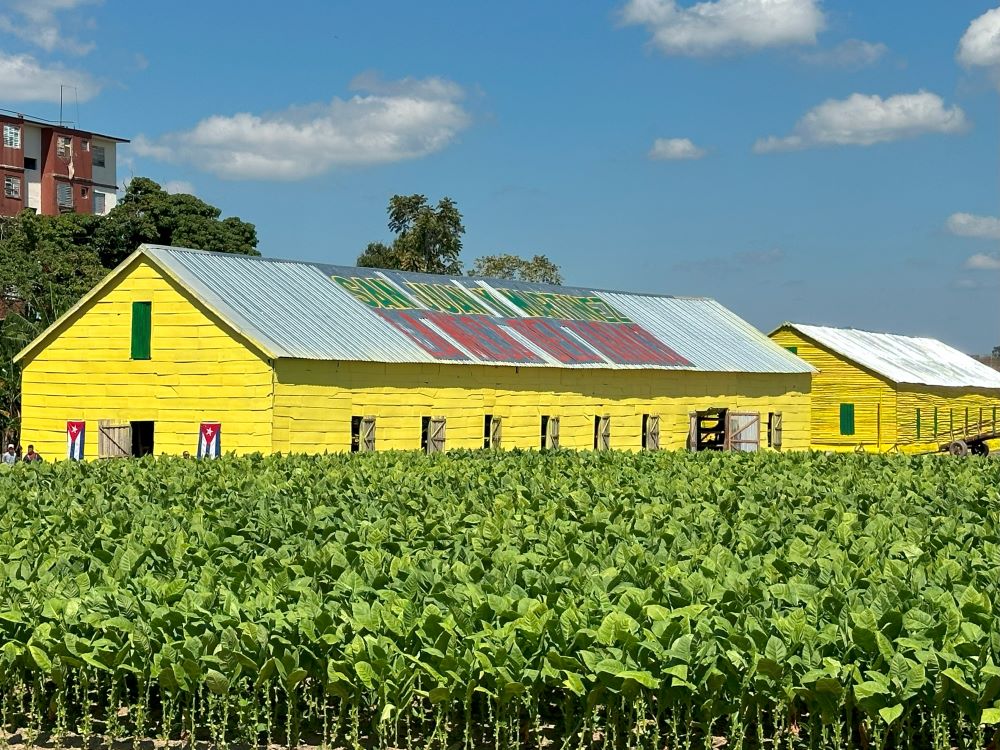
Cuba planned to build nearly 8,000 curing houses to support 12,152 hectares in the current campaign but fell short by 1,163 structures, limiting planting and processing capacity.
In Consolación del Sur, one of the country’s most productive tobacco regions, only 58% of the required curing houses were completed, leaving planting targets unmet.
Material supply constraints have compounded the issue.
“Until March, Forestal was supposed to deliver 120,000 pieces of wood to us, and it only reached 33 percent during that period,” Santana Vera said.
Despite the challenges, Cuba planted 11,365.5 hectares, below initial targets, and is now relying on regrowth and secondary cultivation plans covering 2,333 hectares to stabilize output volumes.
The broader impact extends beyond logistics.
Delays in harvesting and field management have already emerged, with officials noting that disruptions are linked to crop conditions and timing across the province.
In response, Tabacuba is accelerating efforts to reduce fuel dependence by shifting toward renewable energy solutions.
The group is expanding solar-powered irrigation systems, with 900 pumps already installed in Pinar del Río and an additional 1,500 expected to arrive in July and August, most of which are destined for the Vuelta Abajo region.
“We want at least 50 percent of irrigation to come from renewable sources for the 2026–2027 season,” Santana Vera said.

The scale of deployment is significant. With hundreds of systems already in place and additional pumping units planned, the impact is not limited to tobacco.
“When we finish assembling and putting all these systems into operation, the municipality will have the capacity to cultivate around 1,100 hectares of tobacco,” Mario Luis Zamora Medina, a tobacco company manager, said. “But it’s not just tobacco that will benefit… this will improve food security.”
For farmers, the shift is transformative.
“The mere fact that we are not dependent on fuel or electricity is a tremendous achievement,” said Elena Duque Barbosa, a cooperative president. “That each farmer has and can use an irrigation system at their discretion is vitally important.”
It is also driving expansion.
“So much so… we are already requesting new positions for farmers who are interested in starting to grow tobacco,” she added. The result is a sector that is becoming more independent—and, in some ways, more resilient than before the crisis.