By Timothy S. Donahue
Top Takeaways:
- Industry leader: Andrew “Andy” Schindler, former Reynolds Tobacco and Reynolds American Chairman and CEO, died July 4 at age 81.
- Transformational executive: Schindler helped lead Reynolds through a period of major industry litigation, regulatory challenges, and corporate restructuring before retiring in 2005.
- Community legacy: Beyond tobacco, Schindler played a leading role in Winston-Salem’s transition from a manufacturing-based economy to a healthcare, research and life sciences focus.
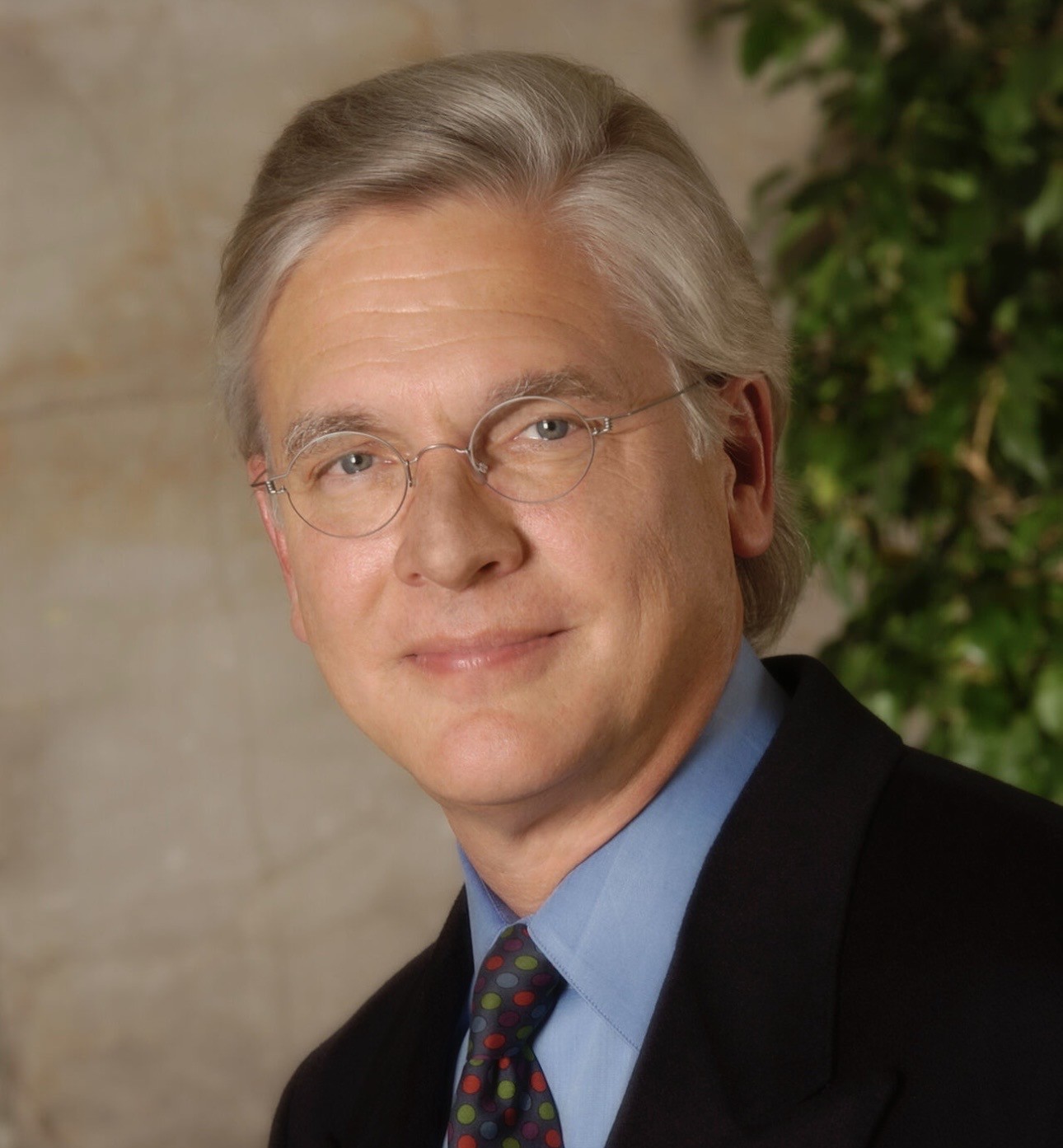
Former R.J. Reynolds Tobacco Holdings Inc. Chairman, President and CEO Andrew “Andy” Schindler, who helped guide one of the world’s largest tobacco companies through a transformative period for the industry and for Winston-Salem, has died at age 81.
Schindler died peacefully at his Winston-Salem, North Carolina, home on July 4, according to his obituary. A U.S. Army veteran who served in Vietnam and later advanced through the ranks at R.J. Reynolds Tobacco Co., Schindler spent more than three decades with the company before becoming chairman and chief executive officer of Reynolds American Inc. after the company’s 2004 formation.
He retired at the beginning of 2006 after leading Reynolds through one of the most challenging periods in the modern tobacco industry’s history, marked by mounting litigation, increasing regulation, and significant corporate restructuring. Susan M. Ivey succeeded Schindler as president and CEO.
During his tenure, Schindler helped oversee the creation of Reynolds American through the combination of R.J. Reynolds Tobacco Holdings and Brown & Williamson Holdings, a transaction that reshaped the U.S. tobacco industry and produced one of its largest manufacturers.
After retiring, Schindler remained active in corporate governance, serving on the boards of several public companies, including Pike Electric, Hanesbrands, and Krispy Kreme. Outside the tobacco business, Schindler emerged as one of Winston-Salem’s most influential civic leaders.
He chaired the civic coalition that launched the city’s Millennium Fund, which helped raise approximately $44 million to support downtown redevelopment and diversify the local economy after decades of dependence on tobacco and textile manufacturing. The initiative is widely credited with accelerating investment in the city’s healthcare, biotechnology, and life sciences sectors, centered on Wake Forest University and the Innovation Quarter.
His leadership extended to numerous community organizations, including efforts to strengthen Winston-Salem’s economic development and research infrastructure as the city’s historic tobacco manufacturing base continued to evolve.
A funeral Mass is scheduled for July 16 at St. Leo the Great Catholic Church in Winston-Salem, North Carolina.