By Timothy S. Donahue
Top Takeaways:
- Conditions improve: Recent rainfall has eased drought conditions across North Carolina, but tobacco growers remain weeks behind normal crop development after a dry spring and early summer.
- Harvest pressure: Farmers say delayed plant growth has compressed an already tight harvest window before the first fall frost, increasing production risks.
- Economic stakes: Tobacco remains North Carolina’s top agricultural export and contributes nearly $13 billion annually to the state’s economy, making this year’s crop closely watched by the global leaf market.
The battle isn’t over. Recent rainfall has eased drought conditions across North Carolina, providing tobacco growers some relief after months of dry weather. However, farmers and agricultural officials say the crop remains significantly behind schedule, raising concerns about whether fields can fully recover before harvest.
Norman Harrell, Wilson County’s extension director, said tobacco development is three to four weeks behind schedule after prolonged moisture shortages disrupted planting and early-season growth. “We’re at least three weeks behind, maybe four weeks behind in the growth and development of the plant,” Harrell said.
The drought’s effects began long before summer. According to Harrell, inadequate soil moisture during transplanting reduced plant survival and prevented pre-emergent herbicides from functioning properly.
“We didn’t have enough water to get those herbicides activated,” he said, allowing weeds to compete with young tobacco plants throughout the growing season.
The delayed growth has also complicated routine crop management. Harrell said that smaller, tighter plants have made it harder for growers to apply sucker-control products effectively, increasing labor requirements and production costs.
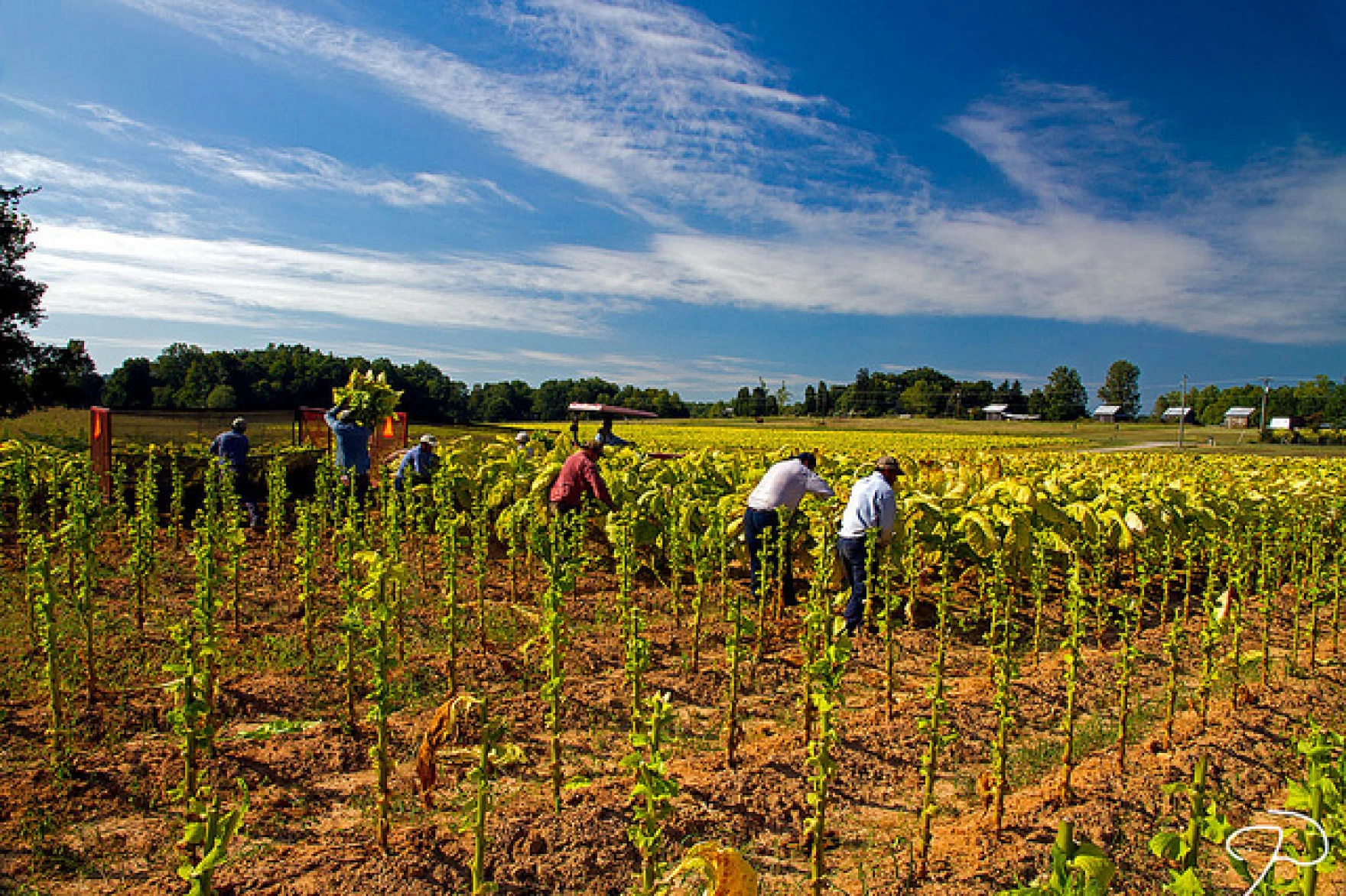
Although recent rainfall has improved crop prospects, growers are now racing the clock. Tobacco is typically harvested starting around the Fourth of July, but this year’s delayed development has compressed the window to mature and harvest the crop before the first autumn frost.
“There’s only so many days the farmer has to get the crop in,” Harrell said. “We’ve got to be finished by the first frost. And the farmer was already planning to use all those days. So now it’s a battle to get the crop grown and to get the crop harvested.”
If frost arrives before harvesting is complete, growers may face significant crop losses.
The economic importance extends well beyond the farm. According to the North Carolina Department of Agriculture and Consumer Services, tobacco and tobacco products contribute nearly $13 billion annually to the state’s economy. Data from the Office of the U.S. Trade Representative indicate that tobacco was North Carolina’s leading agricultural export in 2024, valued at $818 million.
Wilson County has also experienced substantial losses in other commodities, with Harrell estimating wheat production down about 30% and corn down roughly 60% due to drought conditions.
For tobacco growers, delayed development, additional weed control, higher labor costs, and uncertainty about final yields have increased financial pressure during one of the industry’s most expensive production cycles. Farmers invest heavily throughout the growing season but typically do not receive income until cured leaf is marketed.