By Timothy S. Donahue
Top Takeaways:
- Farmers escalate protests: Tobacco growers in Pakistan’s Swabi district publicly burned cured tobacco after buyers reportedly offered as low as Rs350 per kilogram.
- Pressure on regulators and buyers: Growers blamed the Pakistan Tobacco Board and multinational tobacco companies for failing to ensure purchases at the official weighted average price.
- Latest chapter in a broader dispute: The protest follows months of tension over surplus production and proposed changes to Pakistan’s tobacco pricing system.
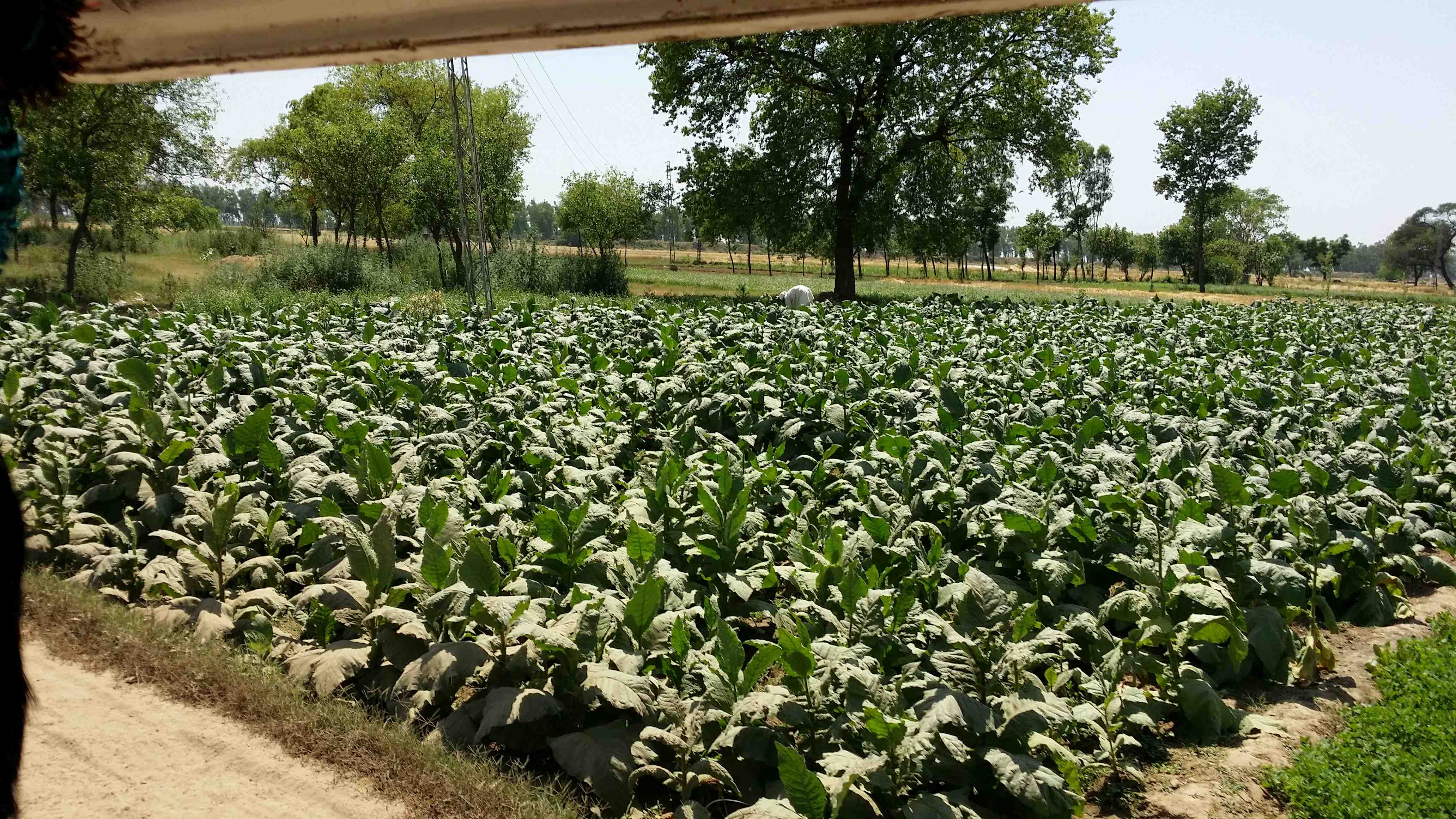
Frustration went up in smoke. A tobacco farmer in Pakistan’s Swabi district set fire to 500 kilograms of cured tobacco outside the Swabi Press Club as growers intensified protests against what they call unsustainably low purchase prices during the 2026 marketing season.
The demonstration brought together tobacco farmers, political parties, social organizations, and local residents. Growers accused buyers of offering as little as Rs350 ($3.67) per kilogram for tobacco, despite the Pakistan Tobacco Board’s weighted average pricing mechanism and what farmers say are production costs approaching Rs750 per kilogram.
“I have not burned tobacco today; I have burned the blood of my children, their needs and the necessities of my household,” grower Haji Tameez Khan said as he set fire to his crop, according to media reports.
Khan said growers entered this season already carrying losses from last year and still owe substantial sums to laborers and wood suppliers. “The cost of production of my crop comes to nearly Rs750 per kg, yet someone offered only Rs350 per kg,” he said. “There is no justification for selling a crop that costs Rs750 per kg for Rs350 or even Rs400.”
He argued that while tobacco generates billions of rupees for Pakistan’s cigarette industry, farmers continue to struggle to receive what they consider a fair return, and warned that additional growers could destroy their crops if prices do not improve.
The protesters directed much of their criticism at the Pakistan Tobacco Board (PTB), the statutory regulator overseeing tobacco marketing. Under Pakistan’s tobacco marketing framework, the PTB conducts annual cost-of-production surveys and recommends weighted-average prices for government approval. The board also supervises marketing and monitors purchases during the season.
Growers contend that those safeguards are failing in practice.
National Awami Party district chairman Masood Jabbar described tobacco as Swabi’s primary cash crop and warned that demonstrations would escalate if farmers’ concerns are not addressed.
The latest protest comes amid a difficult year for Pakistan’s tobacco sector.
Earlier this summer, growers in Khyber Pakhtunkhwa protested a Rs390-per-kilogram federal excise duty imposed at the tobacco threshing stage, arguing it would weaken smaller cigarette manufacturers and traders while strengthening multinational buyers’ market position. Protest leaders also warned that expected production would substantially exceed contracted purchasing requirements, leaving millions of kilograms of tobacco without committed buyers.
At the same time, growers have opposed government proposals to abolish Pakistan’s Weighted Average Price (WAP) mechanism, arguing that it provides an important floor for producer returns and should not be removed without consultation. Farmer representatives have urged the government to conduct an independent review of production costs before altering the pricing system.
The dispute also reflects broader conditions in global leaf markets.
Major international tobacco merchants recently told investors that abundant crops across several producing regions have created an oversupplied market, allowing buyers to be more selective and to purchase tobacco at lower prices.
Those same dynamics have contributed to weaker grower returns in countries such as Zimbabwe, where record production this season was accompanied by a sharp decline in average prices.