By Timothy S. Donahue
Top Takeaways:
- Second use: Philippine farmers are putting discarded tobacco leaves to work.
- Pest control: Tobacco’s natural alkaloids can deter agricultural pests.
- Lower costs: The practice could reduce reliance on commercial pesticides.
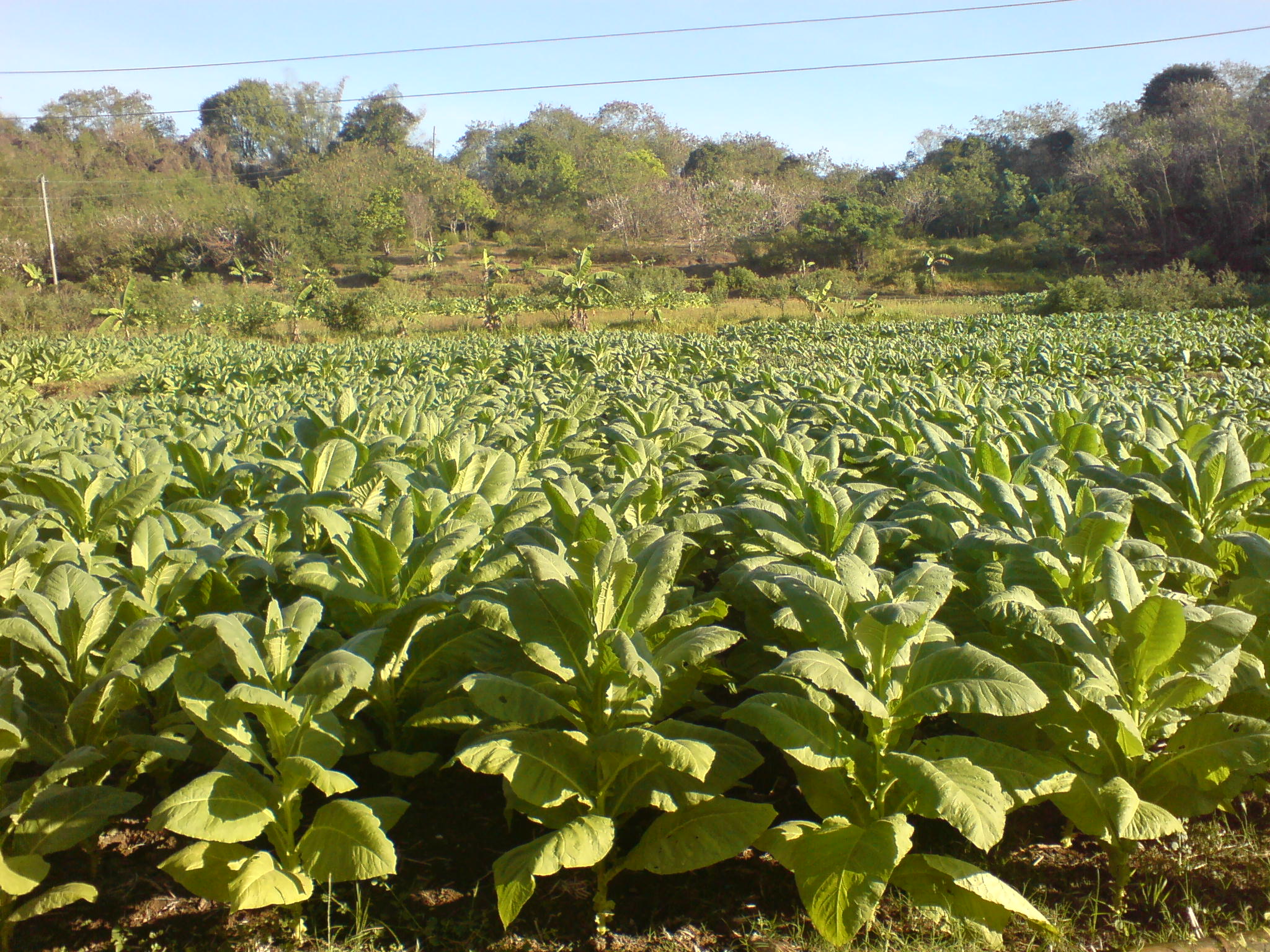
Tobacco leaves too small or damaged for cigarette production are being used in the Philippines to protect rice fields from pests.
Farmer-leader Oftociano Manalo, 75, collects unwanted tobacco leaves and plant tops after harvest in Balungao, Pangasinan, and places them in irrigation channels that feed his rice paddies, using compounds released by the tobacco as a natural form of pest control.
“Water absorbs chemical compounds that are deadly to golden snails, which voraciously consume palay plants, and other pests that are detrimental to the crop,” Manalo told the Philippine Daily Inquirer.
The practice has a scientific basis.
The Philippines’ National Tobacco Administration (NTA) has studied tobacco leaf extracts as agricultural pesticides, including their effectiveness against the golden apple snail, a major rice pest.
NTA research found that crude water tobacco leaf extract was effective at preventing golden apple snail eggs from hatching in laboratory tests. The agency later conducted field demonstrations with six farmers in Ilocos Norte over two rice planting seasons in 2017.
The NTA’s method was more controlled than Manalo’s. Researchers soaked ground native tobacco leaves in water for 24 hours, then extracted the liquid and sprayed it directly onto snail egg masses on rice plants and on surrounding levees.
Manalo skips those steps. He bundles discarded leaves and young plant tips and places them directly in irrigation waterways, allowing the water flowing through the tobacco to carry its compounds into his fields.
Nicotine is tobacco’s primary alkaloid and is naturally produced by the plant. Tobacco also contains other alkaloids, including nornicotine, anabasine, and anatabine. The NTA has long investigated these properties as part of efforts to find alternative uses for tobacco.
Manalo said he began using discarded tobacco for pest control about two decades ago after learning about pesticides made from tobacco extracts. “When the palay absorbs the natural alkaloids, flying pests are also repelled and fly away,” he said. “That is why my farms are basically pest-free.”
That explanation is Manalo’s observation rather than a finding established by the NTA research. The agency’s documented work on golden apple snails involved directly applying prepared tobacco extract to snail egg masses.
The broader concept, however, is well established, and the NTA lists continued research into tobacco leaf extracts for pesticides used on vegetables, fruits, and ornamental plants among its corporate priorities.
The agency has been exploring alternative industrial uses for tobacco for years. Its research has included tobacco dust, handmade paper, and agricultural pesticides, with the goal of creating additional uses and potential income streams from the crop.
Manalo also plows dried tobacco plants back into his fields as organic matter ahead of the next rice crop.
For farmers, the appeal is simple: much of the tobacco material is left behind after the commercially valuable leaves are harvested, making the raw material essentially free.