By Timothy S. Donahue
Top Takeaways:
- Texas loss: The Fifth Circuit rejected Texas’ attempt to collect additional tobacco-settlement payments from R.J. Reynolds and Philip Morris.
- Tax-rate fight: The court ruled the companies can use the federal corporate tax rate applicable to each payment year when calculating the settlement’s profit adjustment.
- $114 million dispute: Texas had previously sought at least $114 million for alleged underpayments covering 2019 through 2022.
Texas wanted more tobacco money. The Fifth Circuit said no.
R.J. Reynolds Tobacco Co. and Philip Morris Inc. do not owe Texas any additional payments under the state’s interpretation of its 28-year-old tobacco settlement, a federal appeals court ruled Tuesday.
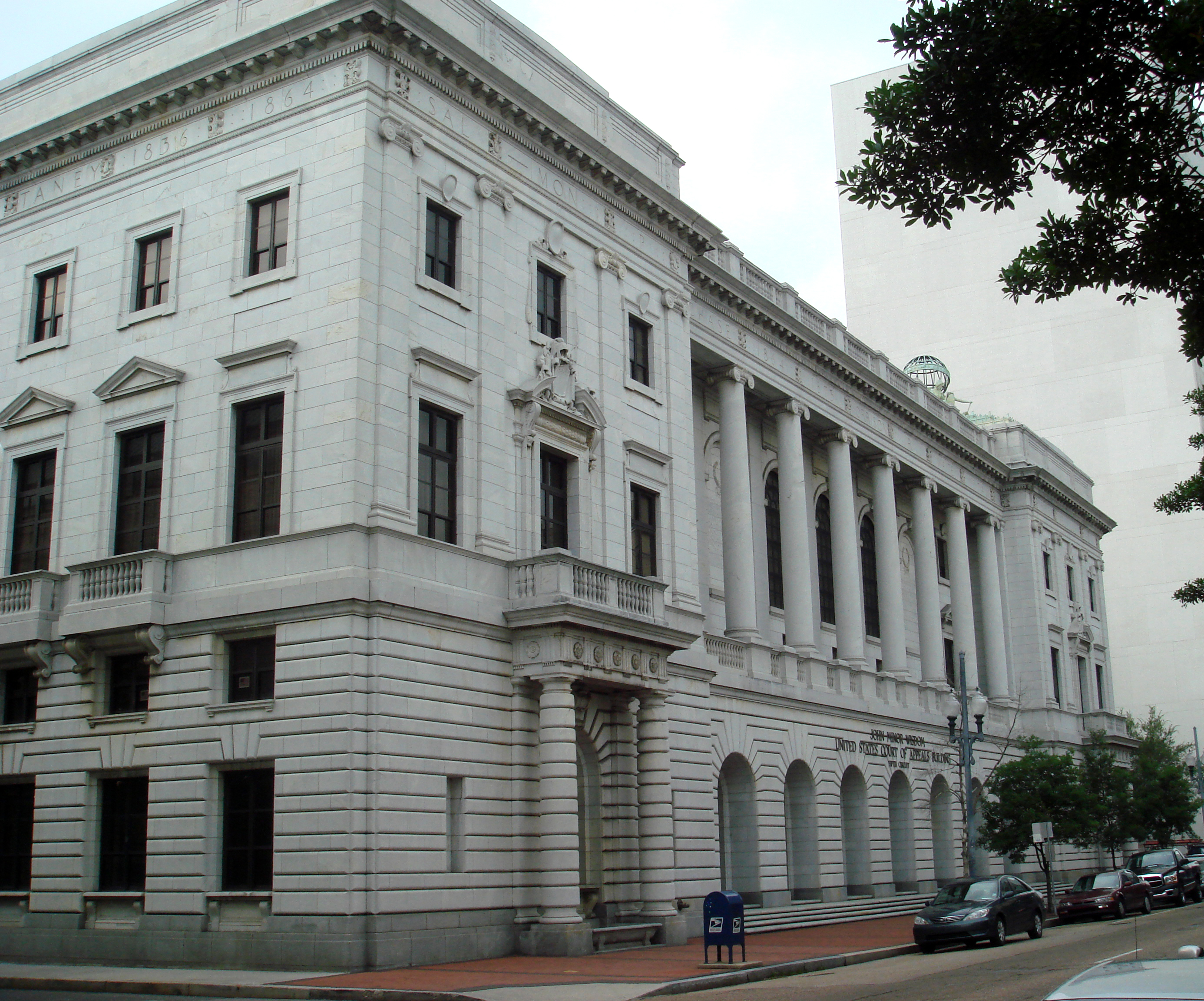
The U.S. Court of Appeals for the Fifth Circuit reversed a lower court decision that favored Texas in a dispute over how changes to the federal corporate income tax rate should affect annual payments under the state’s 1998 tobacco settlement. The unpublished decision was filed on Sept. 1.
“The dispute presented in this appeal is narrow: what tax rate applies to the calculation of Base Net Operating Profit?” the three-judge panel wrote. The answer, according to the court, is the federal corporate tax rate applicable to the year the settlement payment comes due.
The disagreement emerged after the federal Tax Cuts and Jobs Act, enacted in 2018, reduced the maximum corporate income tax rate from 35% to 21%.
Reynolds and Philip Morris maintained that the settlement requires the Base Net Operating Profit calculation to use the maximum federal corporate tax rate applicable to the year in which a particular settlement payment is due. Texas argued that the calculation should continue to use the higher historical tax rate associated with the original base calculation.
The Fifth Circuit sided with the companies.
The court concluded that the settlement agreement unambiguously requires the Base Net Operating Profit to be calculated using the highest marginal federal corporate income tax rate in effect on Dec. 31 of the applicable payment year.
That matters because using the lower 21% corporate tax rate produces a lower base-profit figure and, ultimately, can reduce companies’ payments to Texas. That number could amount to millions of dollars.
In March 2023, Texas demanded additional payments from Reynolds, Philip Morris USA, and ITG Brands, alleging that they had improperly factored the lower corporate tax rate into their calculations. The state sought at least $114 million in alleged underpayments from 2019 through 2022 and asked the companies to revise their calculations going forward.
Reynolds and Philip Morris subsequently filed in federal court to enforce their interpretation of the settlement. The U.S. District Court for the Eastern District of Texas instead ruled in favor of the state.
In March 2025, the district court entered a final order finding that Philip Morris USA owed Texas approximately $31 million, plus pre- and post-judgment interest. Philip Morris appealed.
The Fifth Circuit has now reversed that judgment.
The appellate court also rejected Texas’ contention that the roughly $3.115 billion Base Net Operating Profit figure in the settlement amendment established a permanently fixed baseline. Instead, the panel determined that the figure reflected the application of the agreement’s formula using the tax rate in effect at that time.
Because it resolved the dispute in favor of the tobacco companies on the calculation issue, the Fifth Circuit did not reach the separate dispute over how any additional liability should be allocated among the companies or the issue of prejudgment interest.
The case was remanded to the district court for further proceedings consistent with the appellate court’s ruling.
The Texas dispute stems from the state’s 1998 settlement with tobacco manufacturers over smoking-related healthcare costs. Unlike the later nationwide Master Settlement Agreement, Texas was one of four states to reach a separate settlement with the tobacco industry.
The tax-rate issue has also surfaced elsewhere. In September 2024, Philip Morris USA settled a similar dispute with Mississippi for $7 million, while Minnesota has pursued its own case on the same tax-rate question.