By Timothy S. Donahue
Top Takeaways:
- Constitutional fight: Nearly 30 vape and smoke retailers and a manufacturer are challenging parts of West Virginia’s new Vape Safety Act.
- Citizenship rule: The lawsuit says requiring license applicants to be U.S. citizen unlawfully discriminates against legal noncitizen business owners.
- Federal conflict: Plaintiffs argue state restrictions on labeling, marketing and advertising are unconstitutional or preempted by federal tobacco law.
West Virginia’s new vape law has reached federal court.
Nearly 30 vape and smoke retailers, several operators, and a manufacturer are challenging parts of West Virginia’s Vape Safety Act, arguing that the state’s new licensing, location, and marketing requirements violate the U.S. Constitution and conflict with federal law.
The lawsuit was filed in the U.S. District Court for the Southern District of West Virginia against Alcohol Beverage Control Administration Commissioner Fredric Wooton. Plaintiffs include Salah Ahmed Qasem Hasan, Naseem Hasan, and Omar Lutf, along with the manufacturer Plant Cribs LLC, doing business as Blue Ridge Extractions. The case was filed on July 2.
The plaintiffs say they support “the lawful and responsible sale” of tobacco, vapor, and alternative nicotine products and do not challenge West Virginia’s general authority to impose age restrictions, licensing requirements, and inspections.
Instead, they argue that specific provisions go too far.
Among the most significant requirements is that applicants for vape or smoke shop licenses be U.S. citizens and “a person of good character, honesty, and integrity.” The complaint alleges that several plaintiffs are legally present and authorized to work in the United States but are not citizens, potentially preventing the businesses they own or manage from obtaining or renewing licenses.
The lawsuit also targets a requirement that vape and smoke shops be at least 300 feet from a church, school, or daycare center.
Several plaintiffs say that existing stores fall within the restricted areas and could face license denial, nonrenewal, or other consequences. The businesses argue that the provision threatens investments in existing locations and in leases entered into before the restrictions took effect.
The challenge extends to product labeling and marketing as well.
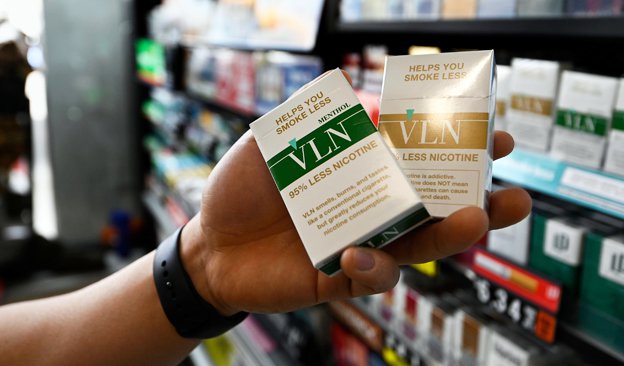
The plaintiffs contend that restrictions on product names, packaging, labeling, advertising, branding and signage violate First Amendment protections for truthful commercial speech. They also argue that some requirements intrude on areas governed by the federal Food, Drug and Cosmetic Act, Tobacco Control Act and Federal Cigarette Labeling and Advertising Act.
The law carries potentially significant penalties. According to the complaint, certain labeling or marketing violations can trigger civil penalties, misdemeanor charges, and, for repeated violations, escalating criminal penalties.
Wooton previously said the state’s goal is to “help ensure businesses operate responsibly while protecting children, families, and consumers from unsafe or improperly marketed products,” according to an ABCA statement quoted in the complaint.
The plaintiffs seek preliminary and permanent injunctions to block enforcement of provisions found unconstitutional or federally preempted, including an order preventing the state from denying licenses solely because an owner or manager is a lawful noncitizen.
The case is Marion Tobacco and Vape LLC et al. v. Wooton, No. 2:26-cv-00438, in the U.S. District Court for the Southern District of West Virginia.