By Timothy S. Donahue
Top Takeaways:
- Nicotine Reclassified: Malaysia’s health minister confirmed that nicotine vape liquids are again subject to the Poisons Act 1952.
- Retail Uncertainty: The restored controls raise questions about how existing vape shops can legally sell nicotine products.
- Another Exemption: The Poisons Board endorsed a proposal to exempt liquid nicotine again, but has not published a new order.
Malaysia’s nicotine vape rules are playing ping-pong, and the government keeps switching sides of the table.
Health Minister Dzulkefly Ahmad confirmed that nicotine-containing e-liquids and gels used in vaping products are once again subject to the Poisons Act 1952 after a court ruling invalidated the government’s controversial 2023 exemption.
The confirmation came in a written parliamentary response dated Nov. 5 to Pulai MP Suhaizan Kaiat, who chairs Parliament’s Health Special Select Committee. “This has resulted in the High Court’s decision remaining in force, and nicotine in liquid or gel preparations for use in electronic cigarettes and vapes is once again subject to Act 366,” Dzulkefly said.
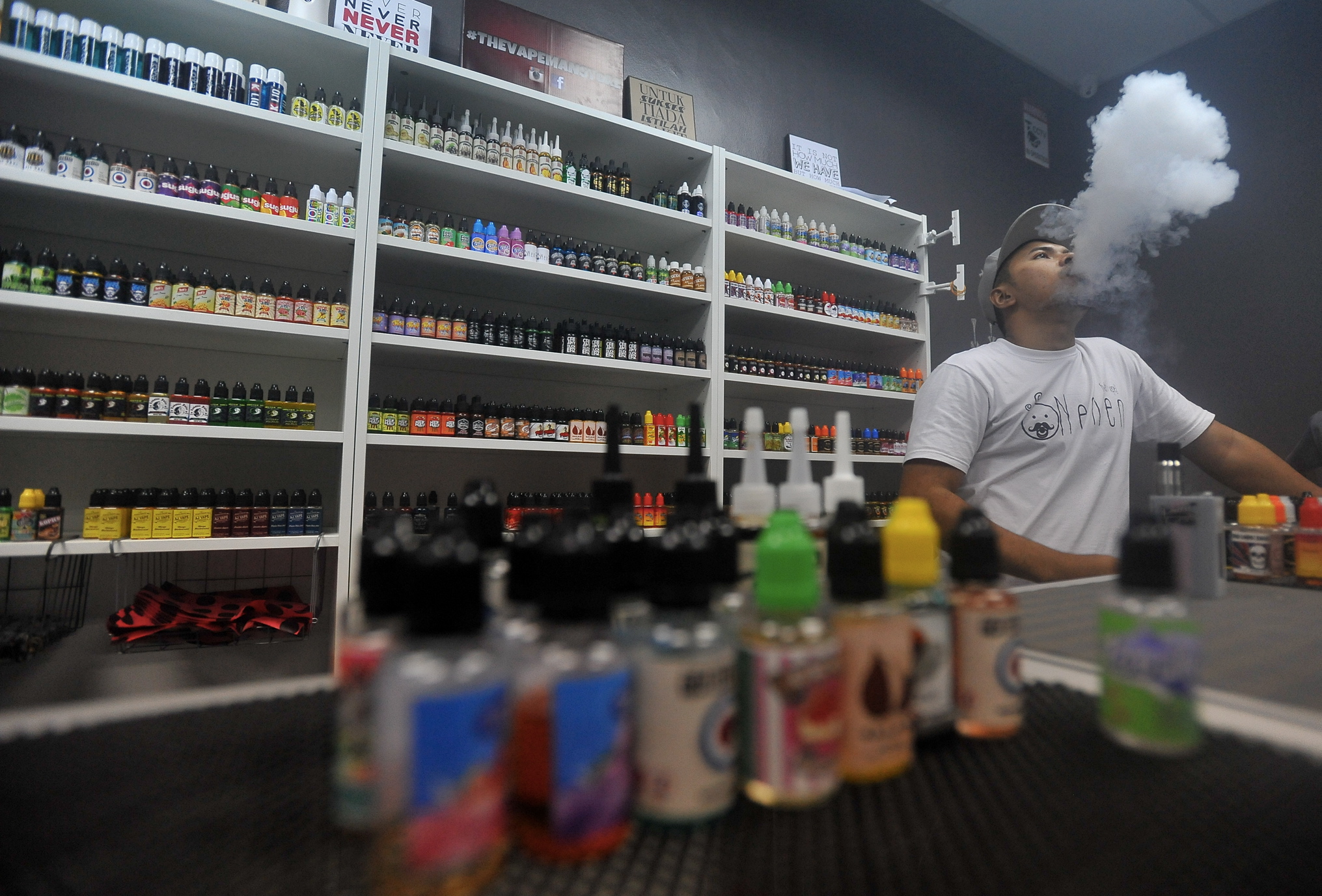
The announcement raises immediate questions for Malaysia’s vaping industry, where nicotine products continue to be sold through specialty retailers and convenience stores despite the reinstatement of restrictions.
Under the Poisons Act, nicotine is classified as a Group C poison, and its retail supply is generally restricted to registered pharmacists and authorized medical practitioners.
Section 16 of the law restricts retail sales of scheduled poisons to authorized sellers, and Section 18 imposes additional requirements for the supply of Part I poisons. The minister did not explain how those provisions would be enforced against existing vape retailers or whether the Ministry of Health intends to take immediate action.
The legal uncertainty stems from a May 15 High Court ruling that overturned a 2023 order by former Health Minister Zaliha Mustafa removing nicotine e-liquids and gels from the Poisons List.
High Court Judge Aliza Sulaiman found the exemption irrational and improperly introduced, without adequate consultation with the Poisons Board. The Malaysian Council for Tobacco Control, the Malaysian Green Lung Association, and Voice of the Children brought the case.
The government initially appealed the ruling but withdrew its appeal on August 18, leaving the court’s decision unchallenged.
The latest development comes amid another possible reversal.
On Nov. 2, Malaysian health publication CodeBlue reported that the Poisons Board had again endorsed Dzulkefly’s proposal to exempt liquid nicotine from the Poisons List. The recommendation could allow the minister to issue a new exemption order, although the board’s endorsement does not change the law.
Under Section 6 of the Poisons Act, the minister must consult the Poisons Board before amending the list and must publish the resulting order in the official Gazette. Dzulkefly said the government was examining how to coordinate overlapping legal requirements as it considers further restrictions on vaping.
“Any re-exemption of nicotine preparations in electronic cigarettes or vapes from Act 366, if necessary, would be for the purpose of coordinating legal issues in implementing measures towards banning electronic cigarettes or vapes,” he said.
The statement leaves uncertainty about the government’s longer-term plans.
Malaysia’s Control of Smoking Products for Public Health Act 2024, known as Act 852, took effect on Oct. 1, 2024, establishing a separate regulatory framework for cigarettes, e-cigarettes, and other smoking and vaping products.
The legislation regulates product registration, sales, packaging, and advertising, including restrictions to prevent sales to minors. However, the interaction between Act 852 and the restored Poisons Act controls remains unsettled.
Despite participating in the Poisons Board’s advisory process, the Malaysian Pharmacists Society has opposed another exemption.
“The government cannot tell Malaysians that it intends to end vaping while considering another exemption that could allow nicotine vapes to remain on the market,” society president Amrahi Buang said in a statement reported by CodeBlue. “It must decide which direction it intends to take — and tell the public when it will act.”
The Malaysian Medical Association has also opposed removing nicotine-containing e-liquids from the Poisons List and continues to support a nationwide vaping ban. Dzulkefly emphasized that any future exemption would apply only to specified nicotine ingredients in vaping products, not to nicotine as a whole.
“This re-exemption does not mean that nicotine as a whole is no longer regulated under Act 366, as nicotine in other preparations would remain subject to the Act’s controls, including the importation of raw materials, which would still require a licence issued under Act 366,” he said.
He also reiterated the government’s commitment to enforcement efforts.
“The government remains committed to continuing strict and continuous enforcement to ensure compliance with the provisions of the laws in force, with particular emphasis on protecting minors from the dangers of smoking products, including electronic cigarettes or vapes,” Dzulkefly said.
Malaysia’s vape industry remains a confusing conundrum. The immediate problem is legal uncertainty. The health minister says nicotine e-liquids are once again controlled as scheduled poisons. Retailers continue operating under a separate vaping law, and the government is considering another exemption while keeping open the possibility of a nationwide ban.
Until those issues are resolved, businesses face uncertainty about which sales activities are permitted and how authorities intend to enforce the overlapping laws.