By Timothy S. Donahue
Top Takeaways:
- Industry Intervention: A federal judge will allow AVM, Helix Innovations and NJOY to participate in a lawsuit challenging FDA vape enforcement.
- Policy Challenge: Public health organizations are seeking to overturn the agency’s May policy for certain unauthorized vapes and nicotine pouches.
- Next Steps: The court set a December 4 briefing deadline ahead of a December 11 hearing.
The vape industry just got a seat at the table in the fight over FDA enforcement.
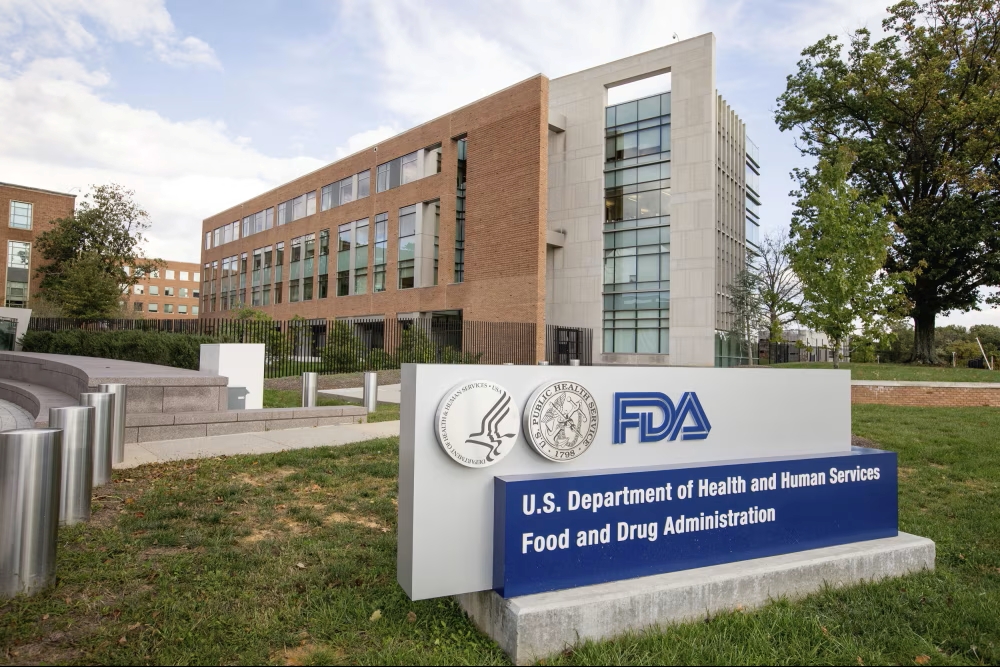
U.S. District Judge Adam B. Abelson granted American Vapor Manufacturers (AVM), Helix Innovations, and NJOY permission to intervene in a federal lawsuit challenging the Food and Drug Administration’s May enforcement guidance on unauthorized e-cigarettes and nicotine pouches.
The November 16 order, filed November 17, permits AVM, represented by Keller and Heckman LLP, and Altria subsidiaries Helix Innovations LLC and NJOY LLC to intervene to defend the FDA’s enforcement guidance against a challenge brought by Campaign for Tobacco-Free Kids and other public health organizations.
The plaintiffs filed suit on July 14, arguing that the FDA’s guidance unlawfully permits certain products without marketing authorization to remain on the market while their premarket tobacco product applications (PMTAs) are under review.
The May 8 guidance outlines circumstances under which the FDA generally does not intend to prioritize enforcement against unauthorized vapor and nicotine pouch products with qualifying pending applications. The policy does not grant marketing authorization or prevent the agency from taking enforcement action.
AVM, Helix, and NJOY sought to intervene in October, arguing that overturning the guidance could directly affect their commercial interests and their products under regulatory review.
Both the plaintiffs and the federal defendants opposed the intervention requests, arguing in part that the requests were untimely.
Abelson disagreed.
“The Court will grant permissive intervention under Rule 24(b),” the judge wrote, finding that the companies and association had raised legal and factual questions overlapping with the underlying lawsuit.
The court also rejected arguments that the intervention requests were untimely, noting that they were filed before the operative summary judgment motion. “Intervenors represent at least a portion of the industry regulated by the FDA Guidance, and therefore they bring relevant perspectives,” Abelson wrote.
The ruling allows industry participants to advance arguments regarding the plaintiffs’ standing to sue and whether the FDA acted arbitrarily or capriciously in adopting the guidance.
However, the judge did not decide whether the guidance is lawful or whether the intervenors were entitled to participate as a matter of right. The court also declined to allow additional rounds of briefing by the intervenors, citing concerns that it would complicate the proceedings and the impending hearing.
The plaintiffs and federal defendants may file consolidated responses to the industry briefs by December 4. The intervenors may not file additional briefs without the court’s permission.
AVM is participating on behalf of member manufacturers, including small U.S. e-liquid businesses, that have invested substantial resources in scientific studies and PMTAs and seek greater predictability while FDA completes its reviews.
The court denied a separate intervention request from The Schwartz E-Liquid, doing business as USA Vape Lab, as moot after the company withdrew its motion.
The underlying dispute has significant implications for manufacturers with pending premarket tobacco product applications (PMTAs).
Public health organizations argue that the FDA’s policy undermines the Tobacco Control Act’s premarket authorization requirements, especially for flavored products.
Industry participants argue that the agency’s enforcement discretion provides regulatory predictability during application review.
Helix and NJOY separately challenged FDA’s 2021 PMTA rule in Texas, arguing that its review framework prevents compliance with statutory deadlines. The court stayed that case in October to allow FDA to pursue rulemaking.
A hearing in the Maryland case is set for December 11.