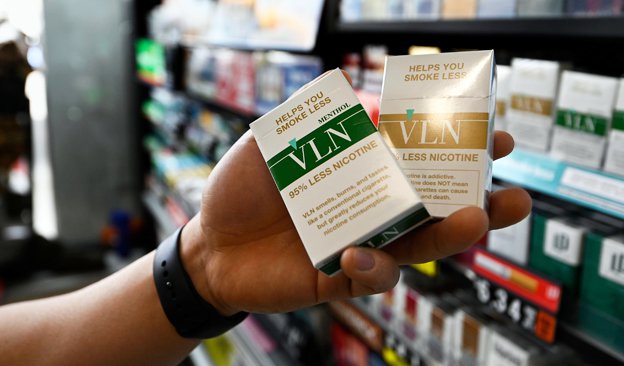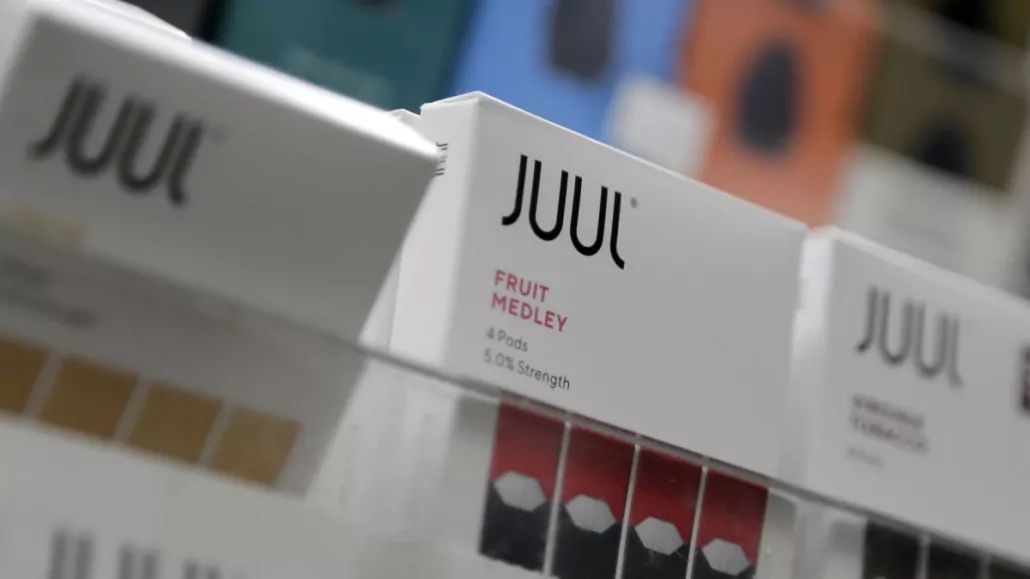
The United Arab Emirates has approved the sale of synthetic nicotine pouches, as long as sellers comply with government-mandated safety standards. The move is aimed at offering smokers less harmful alternatives and reducing the country’s relatively high smoking rates.
The decision reflects a growing interest in harm reduction strategies across the Middle East, where approximately 20% of the population smokes. In the UAE, the figure is about 12%, according to public health estimates.
Officials believe that the introduction of smoke-free nicotine alternatives could play a key role in supporting smoking cessation efforts. The UAE’s vaping market alone is projected to reach $78 million in 2025, according to data from market research firm Statista, underscoring the growing demand for non-combustible nicotine products.
Policymakers are looking to Sweden as a model for potential success. The Scandinavian country has achieved some of the lowest smoking rates in Europe by embracing nicotine alternatives like oral pouches and snus. Health experts credit this shift with significant reductions in rates of lung, oral, and gastrointestinal cancers since the 1980s.
“Sweden has largely replaced cigarette smoking with alternatives such as nicotine pouches, and that’s had a major public health impact,” said Patrik Hildingsson, director of oral category communication at Philip Morris International, the maker of the Zyn nicotine pouch brand.
“While quitting entirely is the best way to reduce health risks, many smokers don’t succeed. For them, offering safer alternatives is critical,” Hildingsson added. “It’s about moving away from the harm that comes from burning tobacco.”
The UAE’s decision comes amid a broader regional shift toward tighter tobacco regulation and expanded access to cessation tools, as many Middle East governments confront the long-term health and economic burden of smoking.