
By Timothy S. Donahue
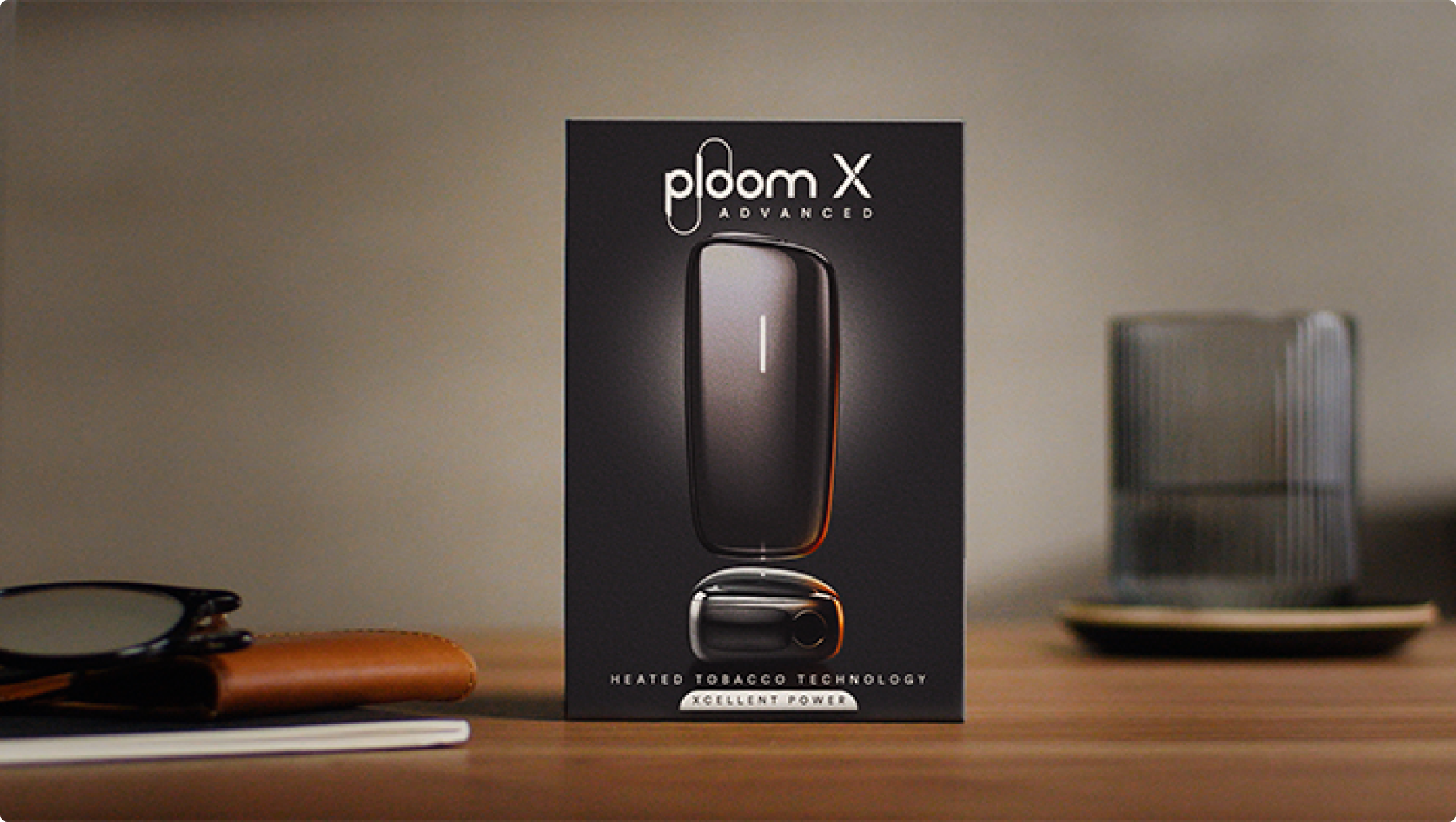
Japan Tobacco International (JTI) is exploring the possibility of assembling its Ploom heated tobacco product (HTP) in the United States, as shifting global trade dynamics and tariff threats from the Trump administration prompt multinational tobacco companies to reassess their manufacturing strategies.
“There might be a possibility to think about assembling in the U.S.,” said Takehiko Tsutsui, JTI’s Executive Vice President for Reduced-Risk Products, in an interview with Reuters on Tuesday. However, he added that such a decision would only follow meaningful sales traction in the U.S. market.
The comments come just weeks after JTI launched the latest version of its Ploom device, dubbed Ploom Aura, in Japan. The company, a subsidiary of Japan Tobacco and maker of global brands such as Winston and Benson & Hedges, plans to enter the U.S. heated tobacco market through a joint venture with Altria.
While the tobacco sticks for Ploom X are already planned for domestic production in the U.S., the device itself is currently assembled in Indonesia, with components sourced globally.
The potential move to U.S.-based assembly is being weighed in light of the Trump administration’s proposed 32% tariff on Indonesian imports. Although the tariff is currently paused, the broader policy push to incentivize domestic manufacturing has led many companies to consider relocating portions of their supply chain.
Washington has made clear its intention to bring more manufacturing jobs back to the United States by leveraging tariffs, particularly on countries like China and Indonesia that have traditionally been major hubs for electronics and consumer goods manufacturing.
Before JTI and Altria can sell Ploom X in the United States, they must secure marketing authorization from the U.S. Food and Drug Administration under the agency’s premarket tobacco product application (PMTA) process. Tsutsui confirmed that the companies plan to submit their PMTA for Ploom X around mid-2025.
The U.S. tobacco market is currently dominated by combustible cigarettes and increasingly, oral nicotine products and e-cigarettes. Heated tobacco remains a relatively niche segment, but companies like Altria and Philip Morris International (with their IQOS platform) are investing heavily in anticipation of regulatory shifts and changing consumer preferences.
JTI also sells its Logic e-cigarette line in the United States. These devices are manufactured in China and are already subject to a 30% tariff. However, Tsutsui said the brand’s relatively small U.S. sales mean the financial impact of tariffs has been “very marginal.”
Nonetheless, JTI’s broader outlook appears aligned with a growing trend in the nicotine industry: adapting supply chains to minimize exposure to volatile trade policies and position for growth in key regulatory markets.
JTI’s collaboration with Altria is seen as critical to its U.S. ambitions. The companies are combining JTI’s device innovation with Altria’s deep distribution network and regulatory expertise. Altria’s existing PMTA experience and relationships with the FDA are expected to be instrumental in navigating the lengthy authorization process.
Once approved, Ploom X would compete directly with Philip Morris International’s IQOS, which is already authorized for sale in the U.S. through a licensing agreement with Altria—although the companies have since reorganized their U.S. operations.
“JTI’s entry with Ploom could further shape the heated tobacco landscape in the U.S.,” said David Sweanor, an adjunct law professor at the University of Ottawa and expert in tobacco harm reduction policy. “These devices offer smokers another potentially less harmful option, but access and market viability depend heavily on regulatory and trade considerations.”
In addition to trade and health considerations, heated tobacco products like Ploom are also being watched for their environmental footprint. Unlike disposable vapes, which have come under intense scrutiny in the U.S. and UK for contributing to e-waste, Ploom’s reusable design may position it favorably among policymakers concerned about sustainability.
With its Ploom X application expected mid-year, and discussions around potential U.S. assembly underway, JTI’s efforts reflect both optimism and realism about what it will take to break into the American market.
The company’s long-term vision includes expanding its portfolio of reduced-risk products globally, with the U.S. seen as a cornerstone of future growth—if regulatory and economic conditions align.


