Top takeaways:
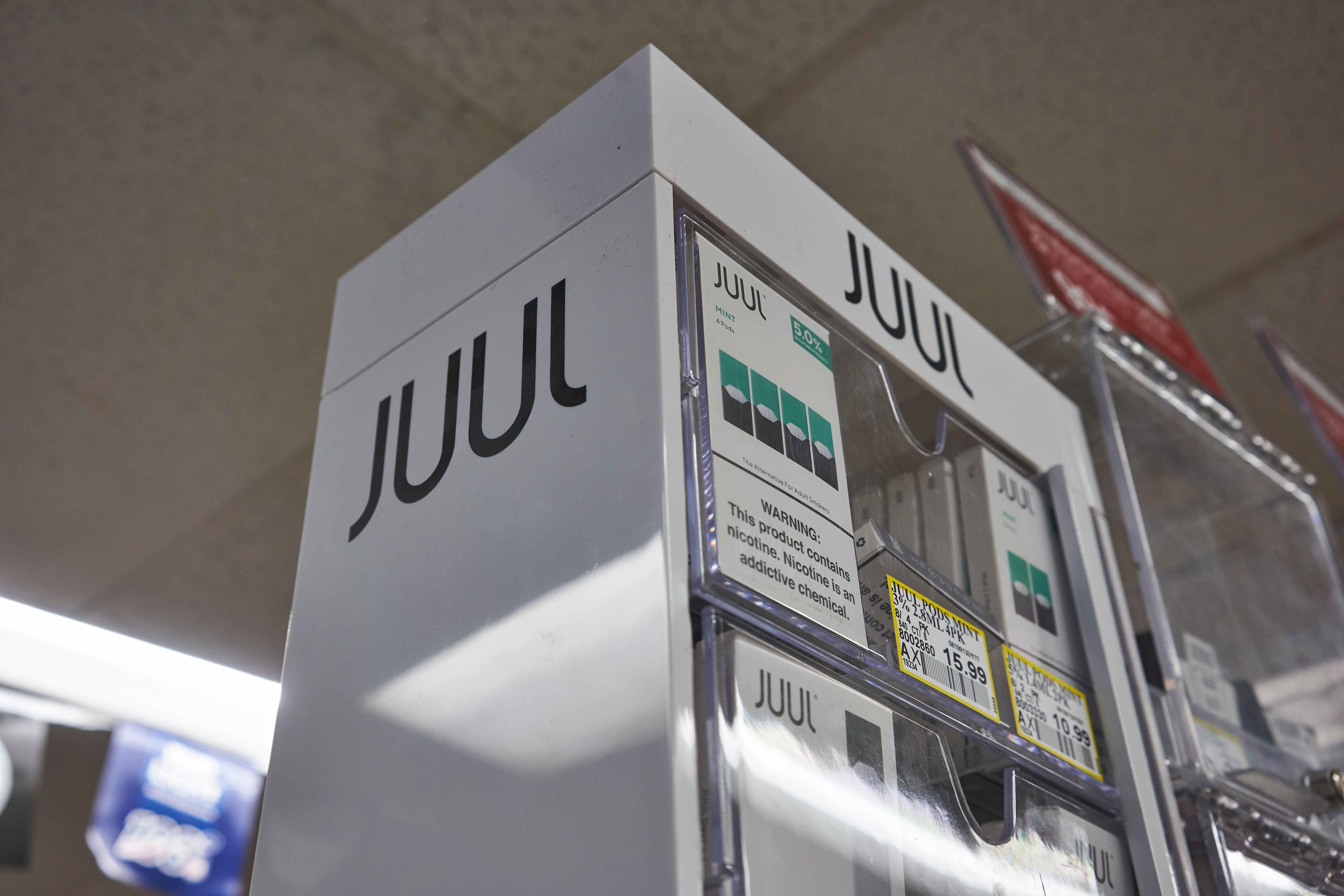
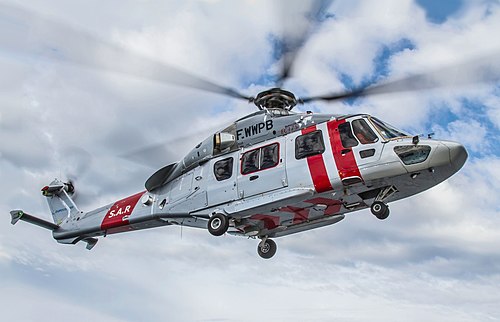
- E-cigarettes are now banned on helicopter flights to and from North Sea offshore installations under newly published safety guidelines from industry groups Step Change in Safety and Offshore Energies UK (OEUK).
- The ban stems from concerns over lithium-ion battery fires, with e-cigarettes reportedly responsible for one-third of all portable electronic device (PED)-related aviation fire incidents globally.
- Other PEDs like mobile phones, laptops, and smartwatches remain allowed, though power banks and all spare lithium-ion batteries are also now prohibited under the new regulations.
North Sea oil and gas workers will no longer be permitted to carry e-cigarettes on helicopter flights to and from offshore platforms, according to updated safety guidelines introduced this week by two leading energy industry bodies.
The new directive, jointly issued by Step Change in Safety and Offshore Energies UK (OEUK), cites fire risks linked to lithium-ion batteries as the primary reason for the ban. E-cigarettes, the groups said, lack standardized manufacturing and present challenges in mitigating onboard hazards.
“E-cigarettes are not permitted on helicopters to or from offshore locations,” the guidance states, adding that their inconsistent design and composition make them a significant risk in aviation environments.
Heightened Concern Over Lithium-Ion Battery Fires
The updated rules come amid growing international scrutiny over portable electronic devices (PEDs) and their potential to cause fires during flights. According to the guidance, lithium-ion batteries in e-cigarettes account for roughly one-third of all PED fire or fire-risk incidents in aviation globally. Power banks have also been linked to serious onboard fires, reports Energy Voice.
As a result, the new guidelines ban both e-cigarettes and spare lithium-ion batteries, including power banks, from helicopter cabins serving the North Sea offshore workforce.
“While many of us rely on portable electronic devices daily, we must recognise the unique safety challenges they present in an offshore aviation environment,” said Craig Wiggins, chief executive of Step Change in Safety. “The safe transport of offshore workers is paramount, and these new rules mark an important step forward in managing the risk posed by lithium-ion batteries onboard helicopters.”
Allowances and Exceptions for Other Devices
Despite the new restrictions, offshore passengers will still be allowed to bring a limited number of PEDs—up to six per person—aboard flights. Items such as mobile phones, laptops, tablets, smartwatches, earbuds, electric razors, and toothbrushes remain approved under the updated rules.
E-cigarettes, however, may still be brought aboard vessels used for offshore transport, the guidance clarified.
The safety directive follows collaborative discussions across the offshore aviation and energy sectors and is designed to minimize risks in what is already a highly controlled environment.
“This guidance is a result of strong collaboration across our industry,” Wiggins added. “I urge everyone travelling offshore to take the time to understand the changes and play their part in keeping our flights safe.”
The rules come amid a broader effort to update and clarify permissible onboard items for North Sea operations. They are now in effect for all helicopter passengers servicing offshore installations.