By Timothy S. Donahue
Top Takeaways:
- Constitutional loss: A Virginia federal judge rejected Altria and NJOY’s bid to have the International Trade Commission’s patent-review system declared unconstitutional.
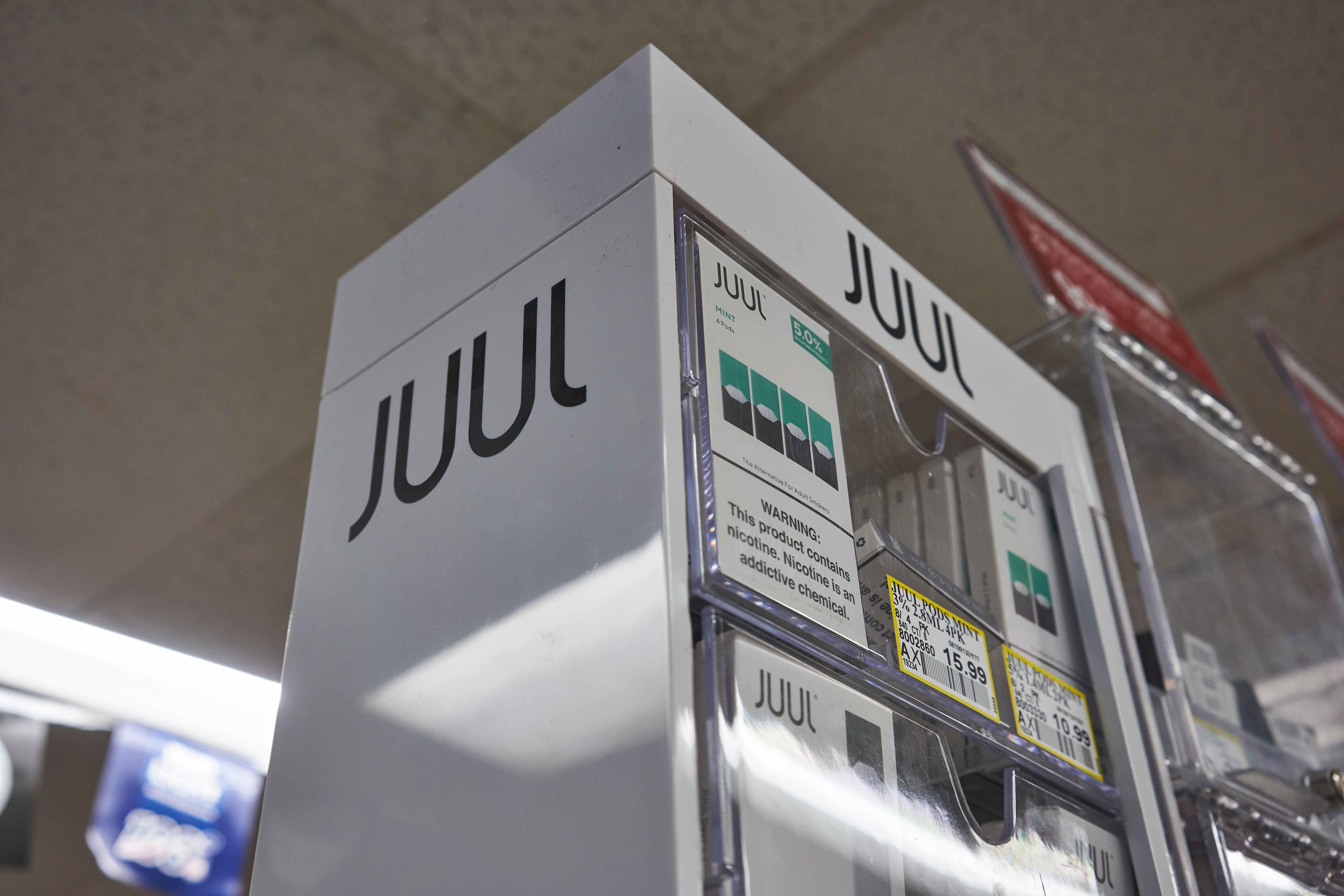
- Juul dispute: The challenge arose from an ITC investigation into Juul Labs allegations that NJOY vaping products infringe its patents.
- Probe survives: Judge Robert E. Payne granted the ITC summary judgment and rejected Altria’s request for a permanent injunction blocking the proceeding.
Altria tried to knock out the ITC’s patent powers. The judge wasn’t buying it.
Altria Group and NJOY failed to persuade a federal judge in Virginia that the U.S. International Trade Commission’s (ITC) handling of patent-based import disputes violates the Constitution, allowing an investigation into NJOY’s vaping products to proceed.
On Thursday, U.S. District Judge Robert E. Payne granted summary judgment to the ITC and rejected Altria’s competing request for a permanent injunction against the agency.
The constitutional fight stemmed from an ITC complaint filed by Juul Labs in August 2025, alleging that NJOY imported or sold vaping products that infringed Juul’s patents. The ITC subsequently opened Investigation No. 337-TA-1460.
Altria, NJOY, and related companies responded with a separate federal lawsuit in November, arguing that the ITC’s Section 337 proceedings violate constitutional separation-of-powers protections. Their claims challenged the agency’s authority to adjudicate patent issues outside an Article III court and without a jury, invoking Article III and the Fifth and Seventh Amendments.
Payne had already rejected the companies’ request for a preliminary injunction in June.
In that ruling, he drew an important distinction between a traditional patent infringement lawsuit and an ITC proceeding. The ITC decides whether allegedly infringing goods may enter the United States, not awarding traditional patent damages between private parties.
“The exclusion remedy authorized by Section 337 is regulatory in nature,” Payne wrote, finding it is aimed at protecting domestic industries and regulating the conditions under which foreign goods enter U.S. commerce.
Patent determinations made during an ITC investigation also do not extinguish patent rights and, Payne noted, generally have no preclusive effect in other courts.
That distinction proved central to Altria’s constitutional challenge. The judge concluded that Section 337 proceedings fall within the federal government’s authority over foreign commerce rather than constitute an unconstitutional transfer of traditional judicial power to an executive agency.
The underlying ITC dispute stems from Juul Labs allegations involving NJOY vaping devices and cartridges. An ITC administrative law judge previously found the asserted Juul patent invalid and no Section 337 violation, but Juul sought Commission review of that determination.
Thursday’s ruling does not decide whether NJOY ultimately infringes Juul’s patents. Instead, it rejects Altria’s broader attempt to bar the ITC from adjudicating the import dispute.
The federal case is NJOY LLC et al. v. U.S. International Trade Commission et al., No. 3:25-cv-00930, in the U.S. District Court for the Eastern District of Virginia.