Top Takeaways:
- Americans discard nearly 500,000 disposable vapes daily—up from 4.5 vapes per second in 2022 to 5.7 in 2023.
- Disposable vapes are hazardous, combining toxic nicotine, non-recyclable plastics, and lithium-ion batteries.
- Advocates are calling for national bans on disposable vapes, citing successful policy results in California and Massachusetts.
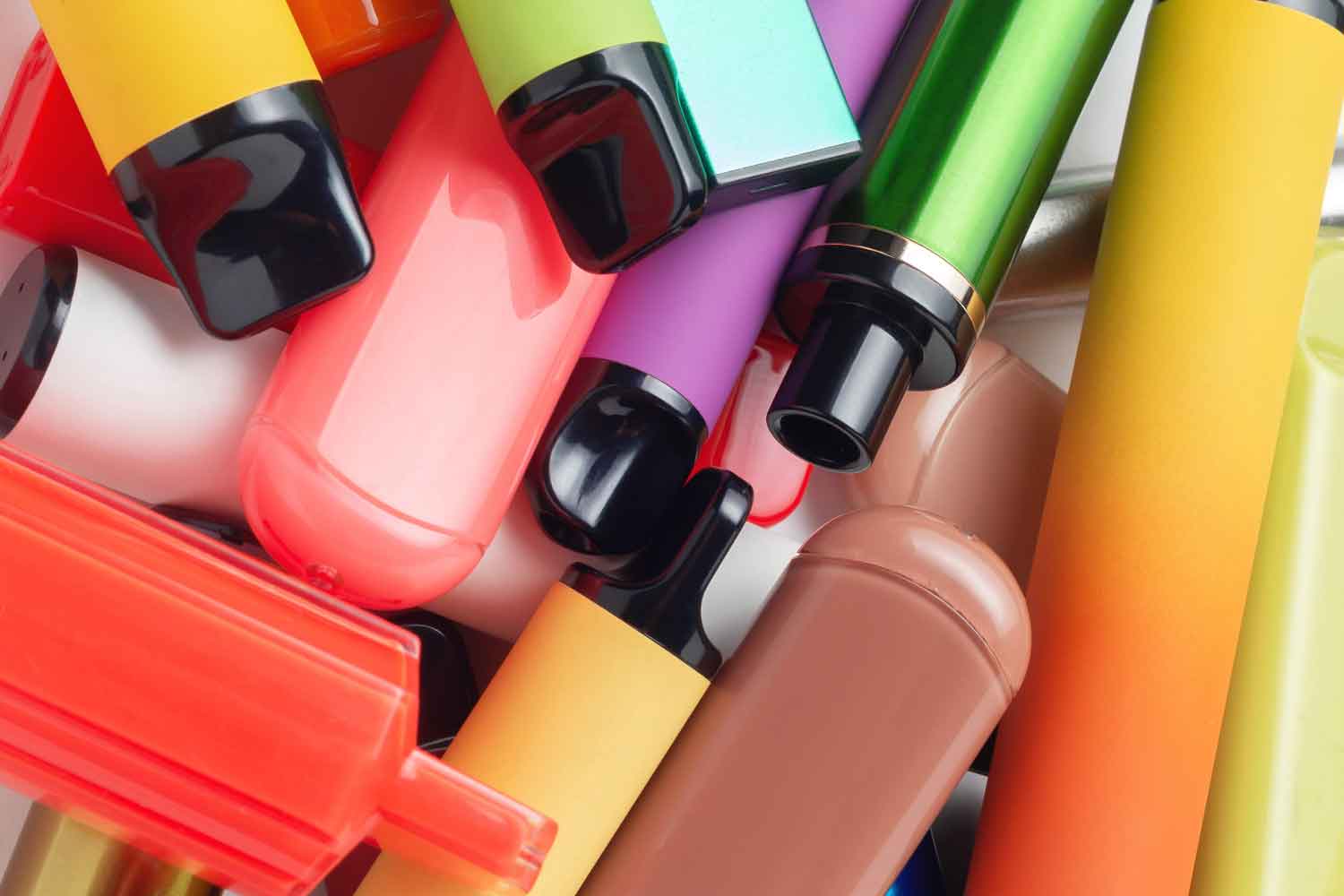
As the popularity of disposable vapes surges across the U.S., so too does the volume of toxic, non-recyclable waste left behind. According to the latest report from the U.S. Public Interest Research Group (PIRG), Americans are now discarding nearly 500,000 disposable vapes each day—amounting to more than five devices every second.
The findings, based on 2023 data, underscore the rapid growth in vape-related waste. Just one year prior, PIRG documented a disposal rate of 4.5 vapes per second. Now, that figure has climbed to 5.7 per second, fueling what environmental advocates warn is a looming crisis in electronic and hazardous waste.
“Each of these devices is like throwing away a miniature computer after just a few days of use,” said Lucas Gutterman, PIRG’s Designed to Last campaign director. Increasingly, disposable vapes come equipped with LED screens, games, music players, and rechargeable lithium-ion batteries—making them both complex and environmentally dangerous.
While marketed as convenient and user-friendly alternatives to traditional cigarettes, the devices contain nicotine—a toxic chemical known to leach into soil and water—alongside non-recyclable plastic shells and critical minerals such as lithium and cobalt. These materials are also used in electric vehicles and smartphones.
According to PIRG, the lithium used in U.S. disposable vape sales each year weighs nearly 30 tons—enough to produce roughly 3,350 electric vehicle batteries. Much of that lithium ultimately ends up in landfills or incinerators. Worse still, improperly disposed vapes often trigger fires at waste processing facilities. When crushed in machinery, lithium-ion batteries are known to combust, causing an estimated $95 million in damage annually.
The issue doesn’t stop at waste facilities. Many vapes tossed onto streets or sidewalks are swept into storm drains and waterways. Volunteers with the Surfrider Foundation report a 150% increase in vape waste collected during beach cleanups between 2021 and 2024.
“These products are a triple threat,” said Kelsey Lamp, oceans campaign director at the Environment America Research & Policy Center. “They’re hazardous waste, since they contain nicotine and heavy metals; they’re electronic waste with batteries and circuits; and they’re plastic waste that never biodegrades.”
The environmental damage is not just theoretical. Studies cited in PIRG’s report suggest that vape liquids can impair the hatching success of fish embryos and cause DNA damage, according to media reports. Vape casings, meanwhile, can degrade into microplastics, further infiltrating marine ecosystems and the food chain.
Despite mounting evidence of harm, regulatory responses at the federal level have lagged. However, several states have taken the initiative. California’s 2020 ban on flavored nicotine products triggered a 52% decline in disposable vape sales, according to PIRG. Massachusetts, which enacted a similar ban, saw an even steeper drop of 74%.
Still, advocates argue these piecemeal efforts aren’t enough. Gutterman and Lamp are among those calling for a nationwide ban on disposable vapes to stem the growing tide of electronic waste and protect public health.
“We wouldn’t dump 30 tons of lithium directly into our ocean,” said Lamp. “We wouldn’t pour thousands of pounds of nicotine into our waterways. Yet that’s exactly what we’re doing by allowing disposable vapes to pollute our environment.”
Beyond environmental concerns, industry stakeholders are beginning to recognize the reputational risk associated with disposables. Some companies have begun experimenting with recycling initiatives or reusable devices, though critics argue these efforts fall short of addressing the scope of the problem.
The pressure to act is only likely to grow. As awareness of vape waste builds, so too does the call for systemic change—from both policymakers and consumers increasingly wary of short-use, high-impact products.
“Our oceans are already under pressure from rising temperatures, overfishing, and land-based pollution,” said Lamp. “We cannot afford to add this entirely preventable source of toxic waste to the mix.”