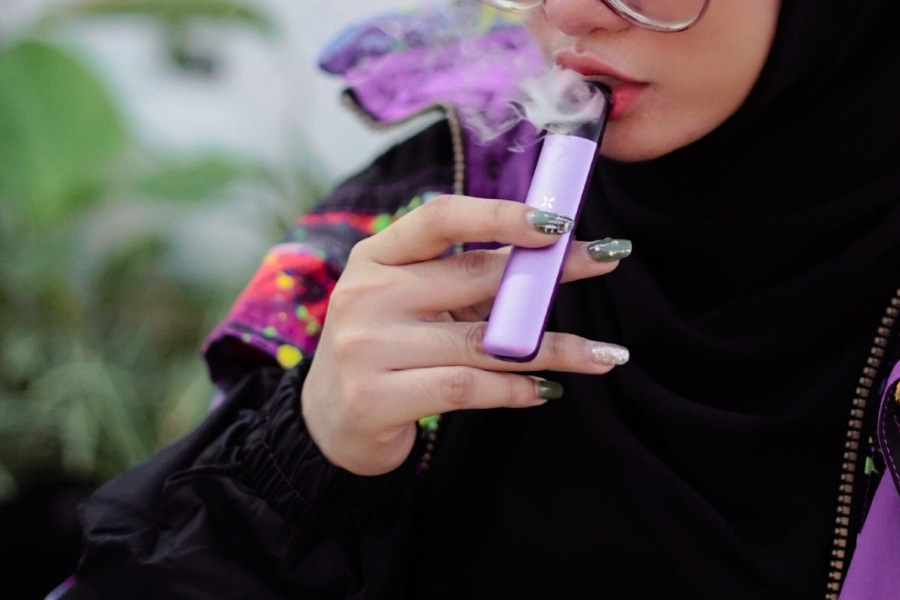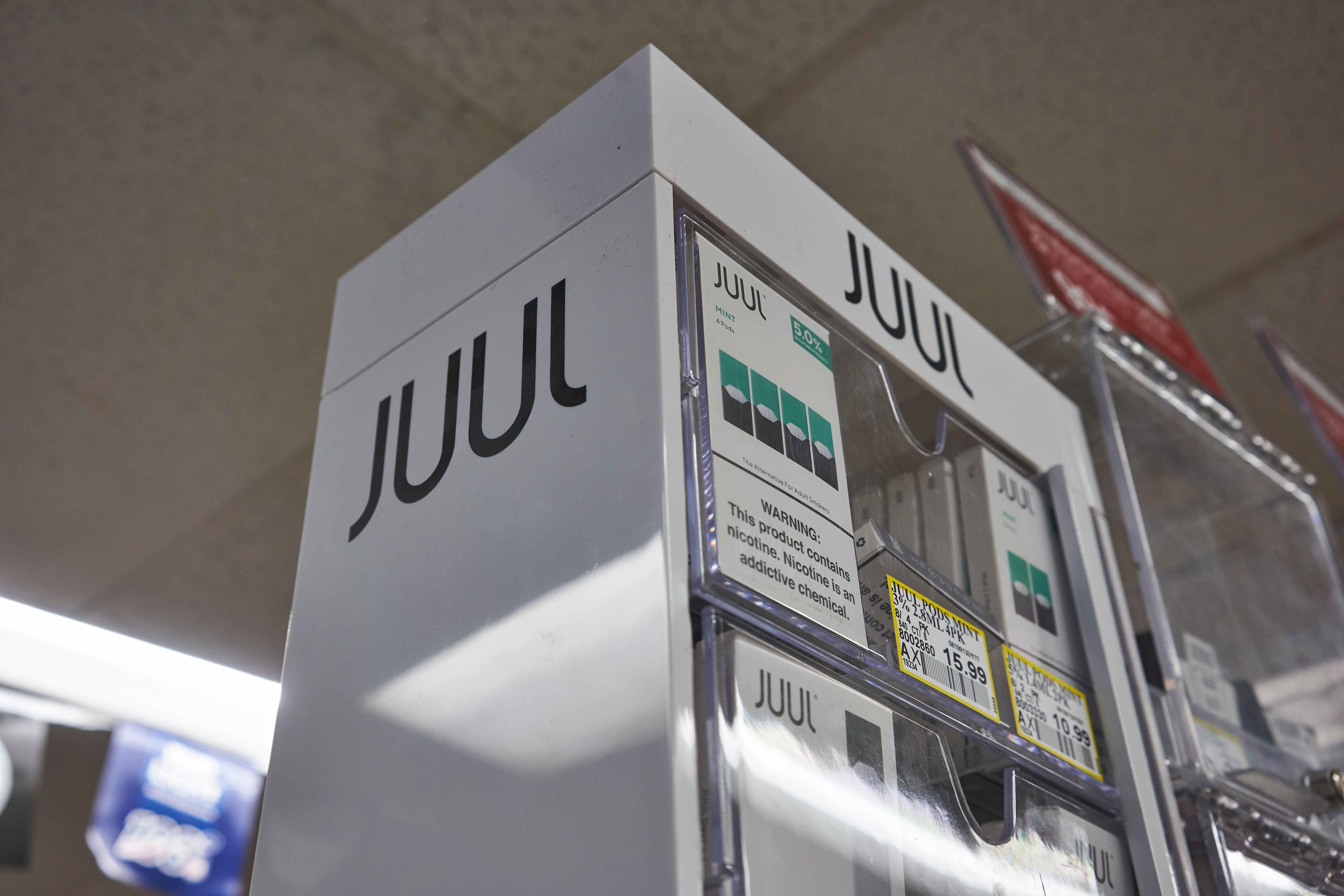
The U.S. Food and Drug Administration has authorized the sale of Juul Labs’ tobacco and menthol-flavored e-cigarette products, according to a statement from the company.
A spokeswoman for the Department of Health and Human Services said Juul Labs submitted robust data, including a two-year longitudinal study, demonstrating high rates of adult cigarette smokers who switched completely to JUUL.
Juul Chief Executive K.C. Crosthwaite said the FDA’s decision “validates our science and the efficacy in switching smokers.”
The FDA’s clearance ends a two-year standoff over the company once blamed for igniting a national youth vaping epidemic and could reshape the regulatory landscape for nicotine products in the U.S. Once valued at $13 billion, Juul lost its top market spot after paying $2.8 billion to settle lawsuits over its role in what the FDA labeled a teen vaping “epidemic.”
Anti-tobacco advocates reacted angrily, arguing Juul’s sleek, easy-to-hide devices caused youth vaping to surge from 11.7% in 2017 to 27.5% in 2019. Yolonda Richardson of Tobacco-Free Kids warned: “Authorizing the product that sparked this crisis is a big step backward”.
In a statement, Juul Labs claimed that the marketing order was an important milestone for the company and its consumers.” Over the past decade, our product design team in Silicon Valley has been working on the next generation of JUUL products to provide adults who smoke with preferred alternatives to cigarettes.
“Today’s authorization of the JUUL System, including the market-leading tobacco-flavored vapor product in the U.S., enables us to submit applications with updates to the device and pod hardware with the goal of improving the user experience,” according to the statement. “And our new JUUL2 platform incorporates a suite of innovative technology …
“We have also developed a portfolio of adult-oriented flavors beyond Virginia Tobacco and Menthol to provide adults who smoke with an increasing variety of options.”
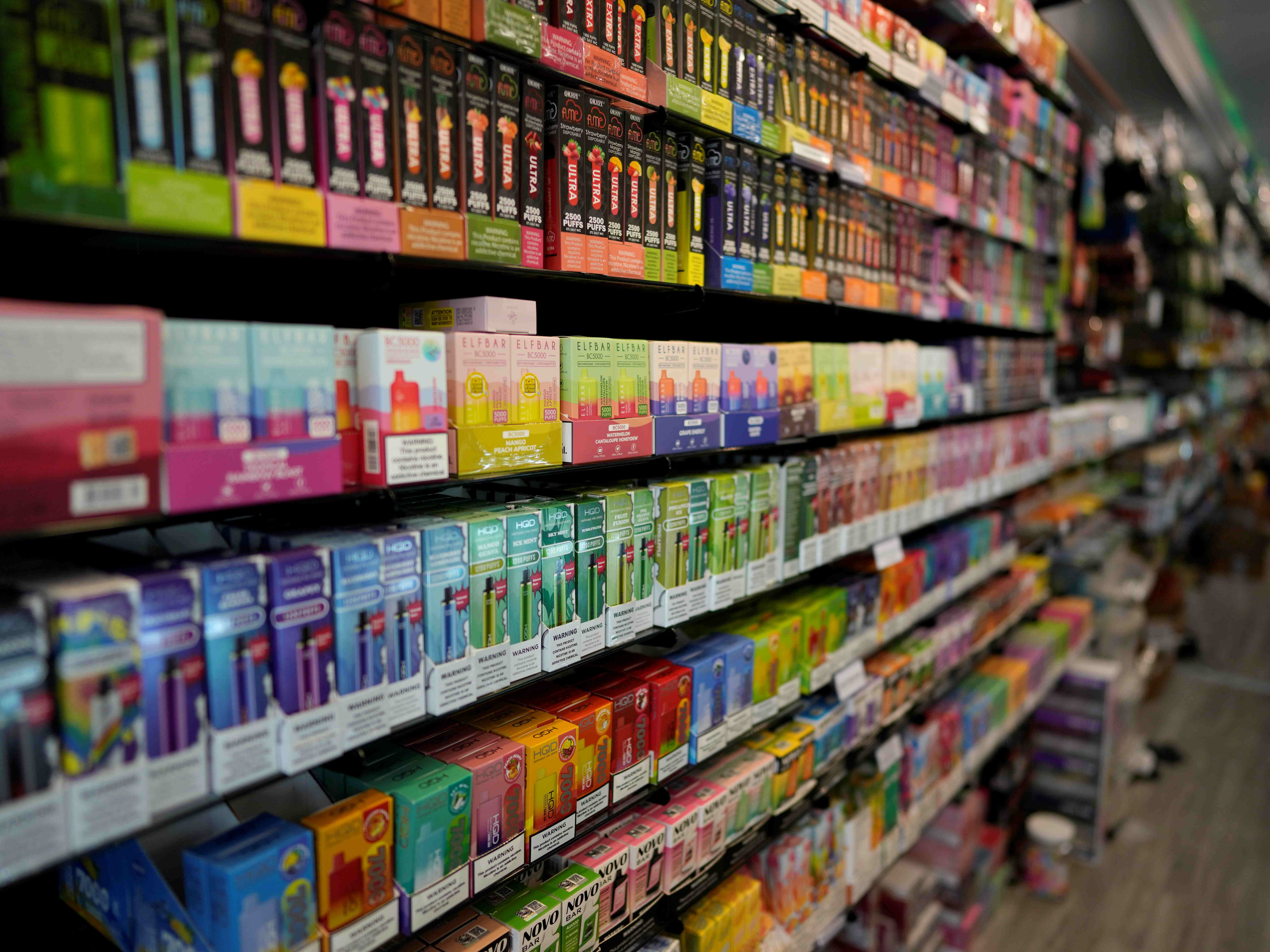
Juul’s comeback comes as the agency faces mounting criticism for slow-moving product reviews and its failure to curtail the flood of unauthorized disposable vapes saturating the market.
The marketing order allows the company to now submit applications with updates to the device and pod hardware with the goal of improving the user experience. The JUUL2 platform, for example, includes built-in access control capabilities to prevent underage use.
Juul’s products were previously ordered off shelves in 2022, when the FDA denied the company’s premarket tobacco product applications (PMTAs). The agency concluded that Juul had not sufficiently demonstrated that its products were “appropriate for the protection of public health,” the legal standard required under the Tobacco Control Act.
But the company immediately appealed, and the ban was stayed just a month later, allowing the products to remain on the market pending further review. Thursday’s authorization—though not yet formally announced by the FDA—signals the agency has now found Juul’s revised applications for its tobacco and menthol-flavored pods and device to meet regulatory standards.
That puts JUUL among a limited number of vaping products that have cleared the FDA’s PMTA process, joining brands such as NJOY and certain Reynolds and Altria offerings.
The decision marks a significant moment in JUUL’s tumultuous regulatory journey. The company, once the undisputed leader of the U.S. e-cigarette market, became the face of the teen vaping surge from 2017 to 2019.
By late 2019, Juul had voluntarily pulled most flavored pods from the market under pressure from lawmakers and regulators. The company’s market share plummeted amid lawsuits, Congressional hearings, and regulatory scrutiny. Thursday’s development has given the company a lifeline.
“Juul Labs markets responsibly and uses age-verification measures to ensure that our products are marketed to and used by adults. Currently, underage use of all vapor products is at the lowest point in more than a decade, and reported underage use of JUUL products has decreased by more than 98% since 2019,” the statement says. “We support category-wide standards to limit access by those underage to all tobacco products.”
Critics argue that the FDA has focused too heavily on legacy companies like Juul while allowing a vast unregulated market to flourish. Some companies have waited years for decisions on PMTAs submitted in 2020 and 2021, while others were rejected without clear reasoning.
Lawmakers in both parties have pressured the agency to speed up reviews and prioritize enforcement against illegal products. In recent months, the FDA has stepped up enforcement and requested more funding from Congress, including $200 million earmarked specifically for vape-related enforcement in the Senate’s FY2026 appropriations bill.
FDA Commissioner Robert Califf has also been granted new authority to detain and destroy illegal products at ports of entry. Still, legal and regulated companies continue to demand action.
The FDA has not yet issued a public statement confirming the authorization.