In the fast-changing field of tobacco harm reduction, understanding how adult smokers use reduced-harm nicotine products is crucial. A new behavioral study from Applied Research and Analysis Company (ARAC) highlights how adding clinical rigor and human insight to behavioral research can increase the impact of the studies and ultimately inform more effective public health policies.
The research, presented by Liz DeMartini, BSN, RN, and Amanda Cox, BSN, RN, along with Ian Jones, Ph.D., and Jessica Zdinak, Ph.D., focused on the often-overlooked human side of behavioral science. The study involved 400 adult smokers participating in a clinical behavioral trial designed to assess changes in smoking behavior over time, especially in the context of product switching. However, the study went a step beyond traditional self-report surveys.
“What sets this research apart is its integration of objective biomarkers with self-reported use patterns, and the front-line role of clinically trained staff in gathering and understanding the data,” said Dr. Zdinak, ARAC’s Chief Research Officer. “We’re not just collecting numbers — we’re learning how and why adult smokers succeed, or struggle, when trying to cut down or quit smoking cigarettes.”
The Case for Biomarkers
Module 6 of the U.S. Food and Drug Administration’s premarket tobacco product application (PMTA) requires applicants to demonstrate that their products “meet the legal standard set by the 2009 Family Smoking Prevention and Tobacco Control Act to market new tobacco products in the United States.”
This standard requires FDA to consider the risks and benefits to the U.S. population as a whole – including the benefits to adults who currently smoke cigarettes and completely switch to a potentially less harmful product or significantly reduce their cigarette use – that are sufficient to outweigh the risks of the product, including to any youth and adults who are not current users of tobacco products.
Switching studies are used to demonstrate benefits to public health. They aim to determine whether a product can benefit public health at the population level by reducing cigarette consumption or encouraging switching. As with most social and behavioral science studies, the research methods often depend on self-report survey data.
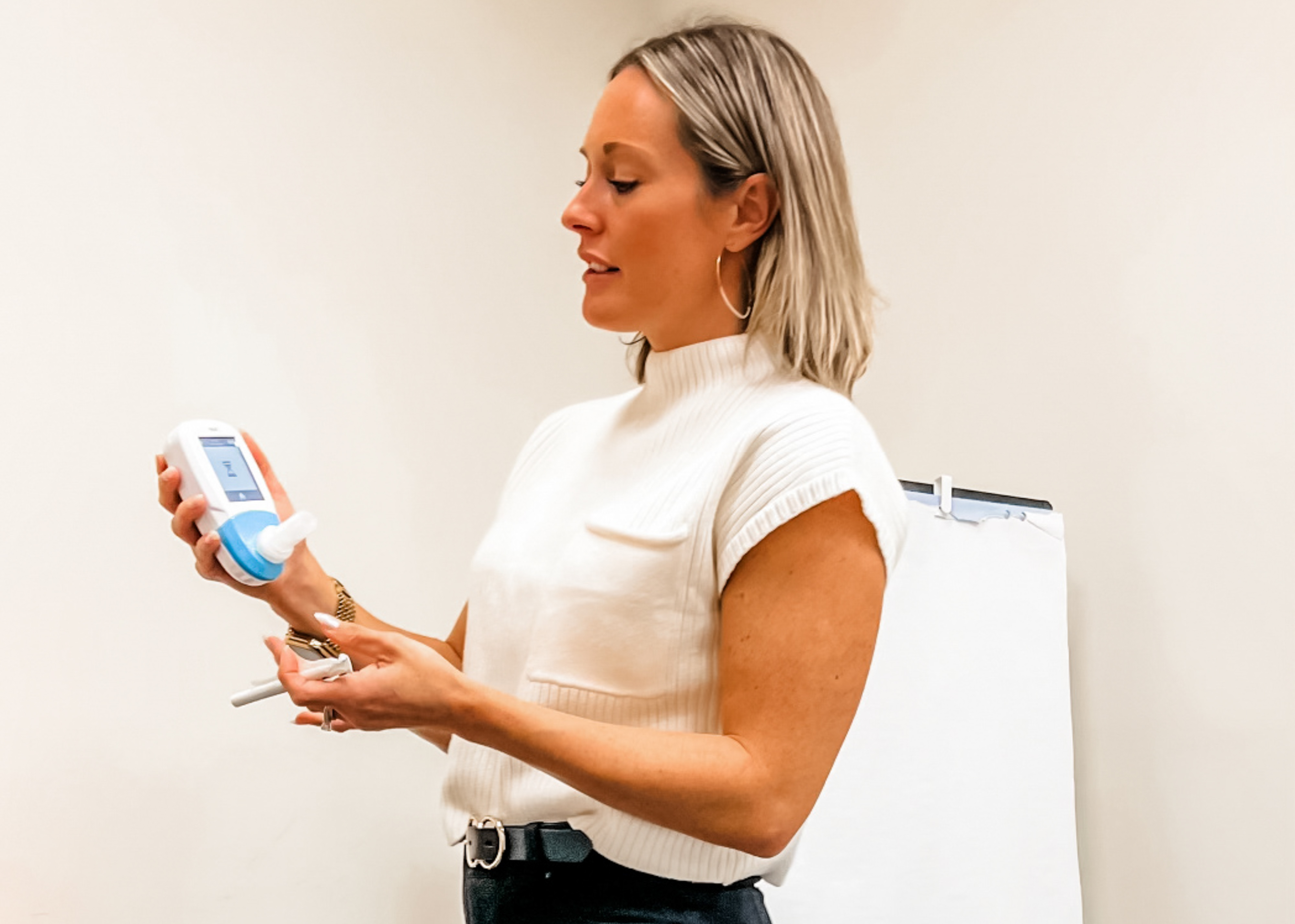
Citing recent literature (e.g., Prell, 2023), the ARAC team designed the study to include exhaled carbon monoxide (eCO) as a clinical biomarker to validate participants’ reported reductions in cigarettes per day (CPD). eCO levels provide immediate and non-invasive feedback by detecting carbon monoxide (a toxic byproduct of combustion) in the breath with a handheld monitor. Incorporating eCO measurements verified participants’ self-reported baseline cigarettes per day, offering a more accurate picture of behavior change over the three-month study period.
“Biomarkers like eCO give us an objective measure that complements and, in some cases, corrects the narrative participants provide in their surveys,” said Jones. “It’s about building confidence in the science, especially when these data are used to inform regulatory decisions.”
The Role of Clinical Researchers
Beyond the numbers, the study highlighted the invaluable role of ARAC’s Clinical Research Team (CRT), who acted as experts in study conduct and on-site training, ensuring protocol compliance and proper clinical data collection while working directly with participants throughout the study. Their expertise enabled them not only to gather accurate biomarker data but also to observe patterns and nuances that traditional surveys often miss.
“In addition to collecting clinical data, our clinical researchers experienced a level of personal sharing from participants that online studies, particularly online switching studies, would never be able to ‘tap’ into. Participants spoke candidly with us in ways they wouldn’t on paper,” said DeMartini, lead clinical nurse for the study. “We heard stories of failed quit attempts, misinformation about nicotine, fear of addiction, confusion over nicotine alternatives, and lack of trust in available cessation tools. We are clinicians, we’re used to offering support, not just taking measurements.”
For this study, objectivity was crucial, explained DeMartini. Even so, participants often shared deeply personal aspects, reminding researchers that research is never just data; it’s about people, too. “While we are unable to serve a role to help them through these emotions for the purposes of this study, we are leveraging this knowledge, data, and insight to impact tobacco harm reduction strategies around the world, including pilot programs, healthcare provider education, public health policy, and others,” she said.
The study provided a rare glimpse into the personal journeys of smokers trying to quit combustibles using the candidate products. When asked by Dr. Zdinak about the value of these perceptions for the business, since they are not directly related to the study’s objectives, she responded, “While the clinical research team is not positioned to provide direct emotional support related to participants’ smoking behaviors or cessation history, the insights gathered are instrumental. ARAC is leveraging this knowledge, data, and insight to impact tobacco harm reduction strategies around the world, including pilot programs, healthcare provider education, public health policy, and others.”
Future Research and Public Health Policy
The study’s findings suggest that regulatory bodies and smoking cessation programs should prioritize study designs that go beyond surveys, especially when evaluating whether products and behavioral programs are effective at reducing individual and population-level harm caused by cigarette smoking. This includes integrating objective measures, involving clinically trained field staff, and recognizing the behavioral complexity of real-world smokers.
“Clinical research isn’t just about checking boxes for data collection,” said Cox. “It’s about meeting people where they are, understanding their lived experiences, and exploring the deeper reasons behind why they smoke. That’s where meaningful change begins.”