By Timothy S. Donahue
Top Takeaways:
- Season launch: Malawi opens 2026 tobacco auction floors with strong farmer turnout
- Supply pressure: Production expected to exceed demand, raising price concerns
- Economic reliance: Tobacco still drives the bulk of Malawi’s foreign exchange earnings
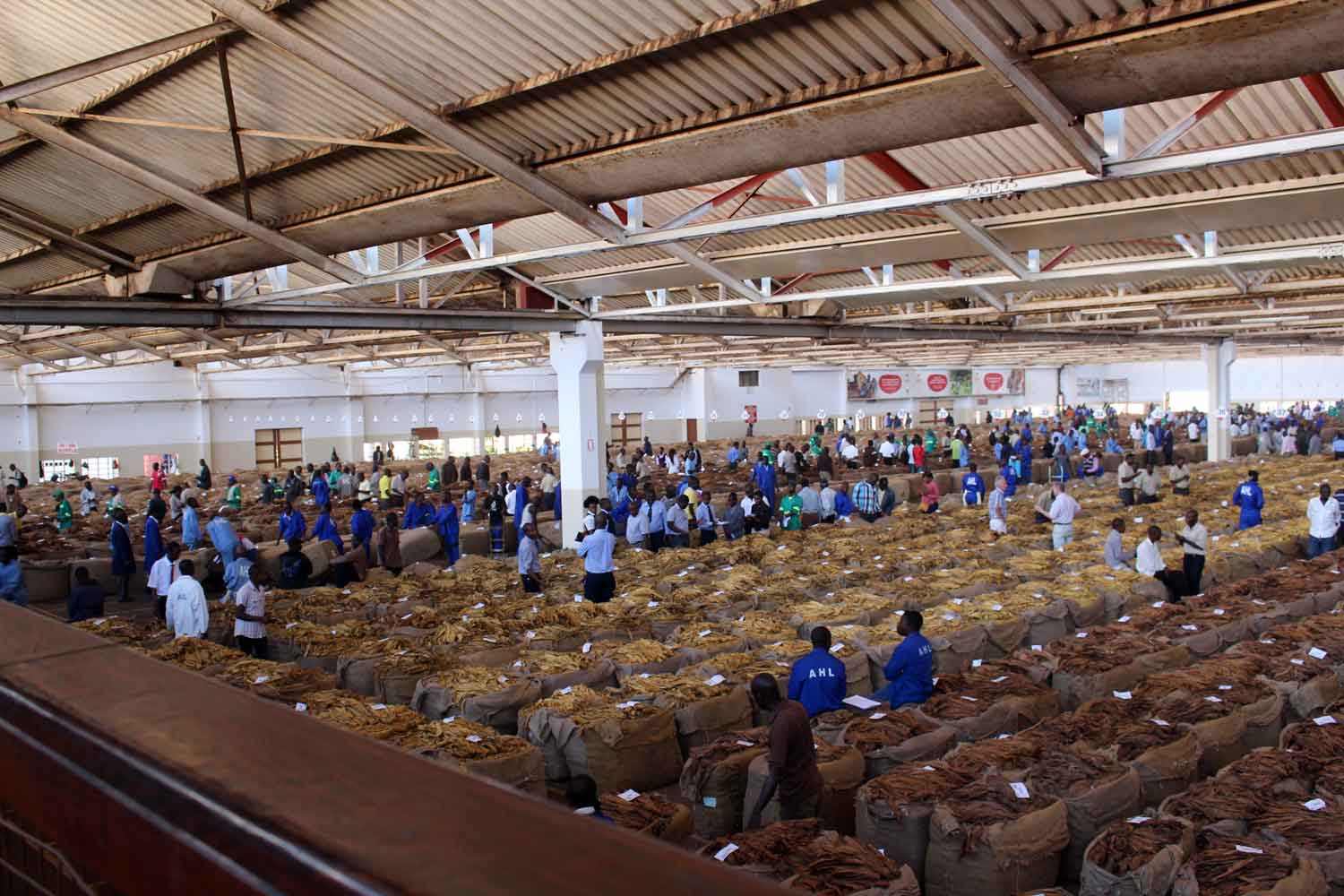
Malawi’s tobacco marketing season has officially opened bringing both optimism and familiar pressure points. Sales began Monday at the Kanengo Auction Floors in Lilongwe, one of the country’s main trading hubs, marking the start of a nationwide auction cycle that will also include the floors in Limbe and Mzuzu in the coming weeks.
Opening the season, Agriculture Minister Roza Fatch Mbilizi praised growers as “agricultural heroes,” underscoring the sector’s central role in sustaining the country’s economy. “Tobacco remains the backbone of our economy,” she said, even as the government continues to promote crop diversification.
That dependence remains significant.
Malawi is among the world’s most tobacco-dependent economies, with the crop accounting for roughly 50% to 60% of foreign exchange earnings and supporting hundreds of thousands of smallholder farmers. The auction system—where buyers bid on bales presented by growers and intermediaries—remains the primary mechanism for price discovery and export sales.
This year’s market, however, is entering with a familiar imbalance. The Tobacco Commission projects that about 197 million kilograms of tobacco will be brought to auction during the 2026 season, compared with an estimated demand of roughly 170 million kilograms from international buyers.
That gap is already raising concerns about downward pressure on prices. “There is overproduction, but no single leaf should be bought at lower than the market price,” Mbilizi said, urging buyers not to take advantage of the surplus.
The warning highlights a recurring challenge in Malawi’s auction-driven system, where excess supply can quickly translate into lower bids—especially for lower-grade leaf. Recent seasons have highlighted the volatility.
While volumes have increased, price swings have affected farmers’ incomes, especially among smallholders who often lack the leverage to negotiate or withhold supply.
The government is also monitoring external pressures. Mbilizi noted that tobacco revenues currently cover only about a month’s worth of imports, underscoring the country’s ongoing foreign-exchange vulnerability despite strong export performance.
Illicit trade remains a concern.
Officials warned that cross-border smuggling continues to divert leaf away from official auction floors, reducing formal sales volumes and weakening regulatory oversight. That issue has been especially acute in border regions, where price differentials and informal trade networks can incentivize off-market transactions.
The opening of the floors is nonetheless a critical moment.
For many growers, it represents the primary opportunity to convert a year’s worth of labor into income, with proceeds often used to cover household expenses, reinvest in farming and support rural economies.
The structure of the market also continues to evolve.
Malawi operates a hybrid system that includes both traditional auction sales and contract farming arrangements, in which companies agree to purchase tobacco directly from growers under pre-negotiated terms. In recent years, contract sales have accounted for an increasing share of total volumes, offering greater price stability but also shifting market dynamics.
Still, auctions remain a key benchmark. Prices set at the floors often influence broader market expectations, making the opening days closely watched by both farmers and buyers.