By Timothy S. Donahue
Top Takeaways:
- Troy, Michigan–based Breeze Smoke, the No. 2 U.S. vape distributor, reports a 90% revenue drop since June.
- The collapse follows FDA and CBP enforcement, which has left only 39 authorized e-cigarette products on the market.
- Breeze Smoke, already engaged in litigation with the FDA, is exploring further legal options as independents warn of market collapse.
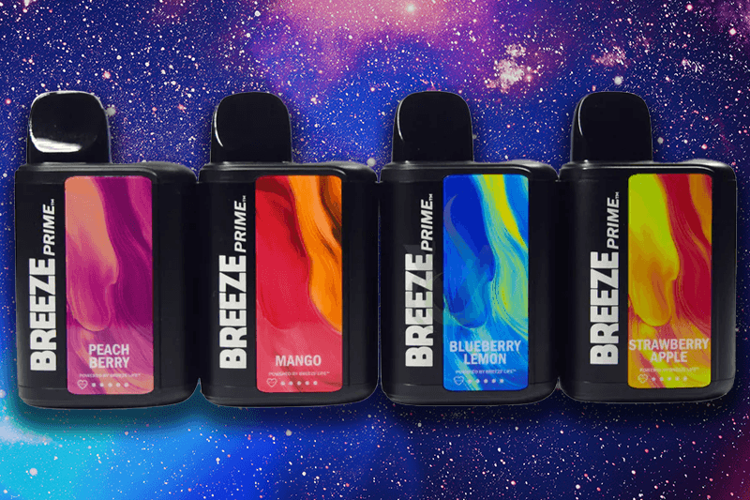
Breeze Smoke, the metro Detroit company that has become the second-largest nicotine vape distributor in the U.S., reports its revenue has dropped 90% since June as federal regulators tighten restrictions on unauthorized e-cigarette sales.
The distributor, headquartered in Troy, Michigan, has been heavily affected by the U.S. Food and Drug Administration’s enforcement actions and seizures by U.S. Customs and Border Protection (CBP). Only 39 e-cigarette products currently hold FDA marketing orders, leaving the vast majority of Breeze Smoke’s catalog exposed to penalties or barred from sale.
Executives say the company’s sales collapse followed a summer of intensified federal activity targeting flavored disposables and refillable e-liquids. “We’ve gone from being one of the largest suppliers in the country to fighting for survival,” a company official reportedly told media, describing widespread disruption to inventory pipelines and retailer contracts.
The distributor has not disclosed whether layoffs or restructuring are imminent but said it is weighing legal and political options to challenge the FDA’s approach. Industry groups, including the Vapor Technology Association, have warned that current enforcement effectively hands market share to multinational tobacco companies while independent firms collapse.
For retailers, Breeze’s decline causes supply chain uncertainty in one of the industry’s largest markets. For regulators, it highlights the impact of a strategy that has authorized only a limited set of products, while millions of others are being pulled off shelves.
Breeze Smoke has already been a central figure in legal fights over FDA regulation. In 2021, the company filed suit after the FDA issued a marketing denial order (MDO) for its flavored e-cigarette products. Breeze argued that the agency acted arbitrarily in requiring extensive long-term studies on youth use that were impossible for smaller firms to conduct.
The case, Breeze Smoke, LLC v. FDA, reached the U.S. Court of Appeals for the Sixth Circuit, where a panel declined to block the FDA’s order, effectively forcing Breeze’s flavored products off the market. The company later petitioned the U.S. Supreme Court, which declined to hear the appeal in 2022, leaving the FDA’s decision intact.
Industry advocates said the Breeze litigation was an early signal that federal courts were unlikely to protect independent vape makers from FDA denials. At the time, the case gained attention because Breeze was a major distributor, and its challenge underscored how tough it would be for smaller companies to meet the scientific standards required by regulators.
However, some vaping product manufacturers have found sanctuary in the U.S. Fifth Circuit Court of Appeals, which has emerged as the most favorable venue for vape manufacturers challenging FDA marketing denial orders. The court often siding with the industry in high-profile cases.
In January 2024, the court issued a sharp critique of the FDA in the Triton and Vapetasia cases, accusing the agency of a “surprise switcheroo” in changing evidentiary standards mid-process and vacating MDOs for flavored e-liquids. The Fifth Circuit has since vacated at least seven MDOs, prevented case transfers to less sympathetic courts, and, in June 2025, successfully defended retailers’ right to sue, a position later upheld by the Supreme Court.
Breeze Smoke’s financial collapse highlights how regulatory and legal setbacks continue to cause ripple effects. Breeze remains one of the most notable independent companies affected by enforcement actions and is frequently cited by trade groups as evidence of the imbalance in FDA treatment of smaller firms compared to multinational tobacco companies, which have more resources to submit comprehensive applications.
For example, U.S. Marshals and FDA agents seized truckloads of flavored vaping products from a major Illinois distributor on Wednesday in one of several coordinated federal raids across the country, escalating the crackdown on unauthorized e-cigarette sales.
Federal officials targeted Midwest Goods Inc., a wholesale distributor based in Bensenville that supplies vape shops and smoke retailers nationwide. Attorney General Pam Bondi told reporters outside the facility that flavored disposable vapes and nicotine liquids seized in the raid were being marketed to youth, often with “candy-like names and patriotic packaging.”
Soon after the raid on Midwest Goods, U.S. regulators announced the largest-ever federal seizure of unauthorized e-cigarettes, confiscating 4.7 million units with an estimated retail value of $86.5 million in a joint enforcement operation at the Port of Chicago.