Top Takeaways:
- Spain’s Parliament will now debate a sweeping tobacco reform bill banning flavored e-cigarettes, disposable vapes, and capping nicotine pouch strength.
- EU Commission and seven member states raised objections over trade barriers and proportionality, but Spain advanced the bill unchanged.
- Industry warns the law could slash vaping’s market value by 80% and deter investment, while health groups frame it as essential for youth prevention.
Spain’s proposed overhaul of its tobacco and nicotine laws has cleared the EU’s internal market review and is heading to Parliament, paving the way for one of the strictest regulatory frameworks in Europe.
The legislation, approved in draft form by Spain’s Council of Ministers on September 9, bans all e-cigarette flavors except tobacco, prohibits disposable devices, and caps nicotine pouch content at 0.99 milligrams. It also extends smoke-free zones, introduces a full advertising ban, and makes Spain the first EU country to outlaw not only the sale but also the consumption of nicotine products by minors.
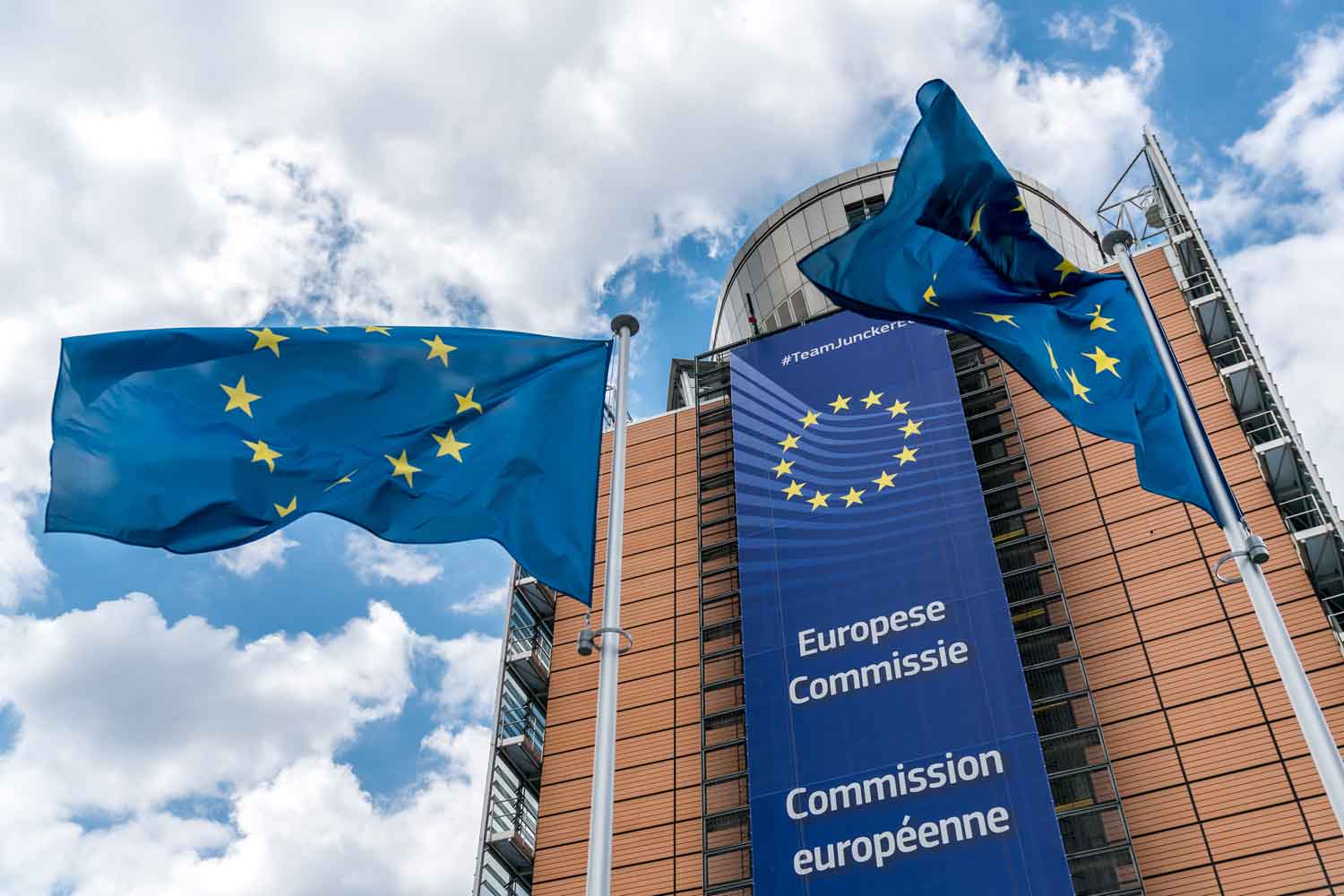
The draft was submitted to Brussels via the EU’s Technical Regulations Information System in January. While the European Commission and seven member states argued that the measures risked violating EU law by creating trade barriers, Madrid moved forward without altering core provisions.
Industry groups have warned of major market disruption. Philip Morris International has paused plans to launch ZYN in Spain, while British American Tobacco mentioned that a proposed €500 million (US$587.6 million) investment might be redirected elsewhere. Spain’s competition authority also warned that the rules lack a scientific foundation and could harm competition.
Public health advocates support the law, citing its alignment with the EU’s Beating Cancer Plan. Harm reduction experts argue that Spain risks repeating past policy mistakes, pointing to Sweden’s experience where snus and nicotine pouches helped reduce smoking rates below 5%.
If enacted, Spain will implement a 12-month transition period for manufacturers and retailers. The Commission retains the option to initiate infringement proceedings, while member states could bring challenges before the European Court of Justice.