Top Takeaways:
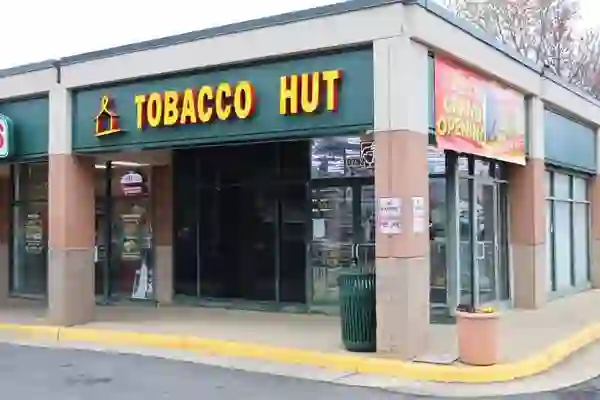
- NOVA Distro Inc. and Tobacco Hut & Vape Fairfax Inc. filed a federal lawsuit challenging Virginia’s new vape-directory law.
- Plaintiffs argue that the measure unlawfully delegates FDA regulatory powers to the state, violating the Supremacy Clause.
- The companies seek an injunction before the law takes effect on December 31, warning it would wipe out most flavored-vape inventory.
Two vape distributors in Northern Virginia have sued in federal court to prevent the state’s new vape-registry restrictions from going into effect at the end of the year.
In a complaint filed last week in the U.S. District Court for the Eastern District of Virginia, NOVA Distro Inc. and Tobacco Hut and Vape Fairfax Inc. named Attorney General Jason Miyares and several state officials as defendants. The plaintiffs argue that Virginia’s upcoming law—which bans the sale of any nicotine or vapor product not listed on an official state directory—constitutes an unconstitutional overreach of federal authority.
According to the lawsuit, the directory framework essentially mirrors a flavor ban by excluding almost all non-tobacco-flavored e-liquids and devices. The plaintiffs claim that by conditioning sales on a state approval list, Virginia is overriding the Food and Drug Administration’s exclusive authority to decide which products can be legally marketed under the federal Family Smoking Prevention and Tobacco Control Act.
“This law delegates powers that belong to the FDA alone,” the complaint says, calling the measure “preempted, arbitrary, and destructive to lawful small businesses.” The companies estimate they would have to remove most of their inventory—thousands of SKUs—from retail shelves if enforcement starts as scheduled on December 31.
Similar laws have been introduced or enacted in Louisiana, Alabama, and Wisconsin, with industry groups warning of overlapping regulation and supply-chain disruption. The plaintiffs are seeking a preliminary injunction to halt implementation while the court reviews whether Virginia’s directory unlawfully conflicts with federal tobacco law.