By Timothy S. Donahue
Top Takeaways:
Record year: Malawi’s tobacco exports reach $540 million in 2025 on volume growth
Price pressure: Average prices fall sharply despite higher shipments
Outlook risk: Oversupply in 2026 is expected to weigh further on farmer earnings
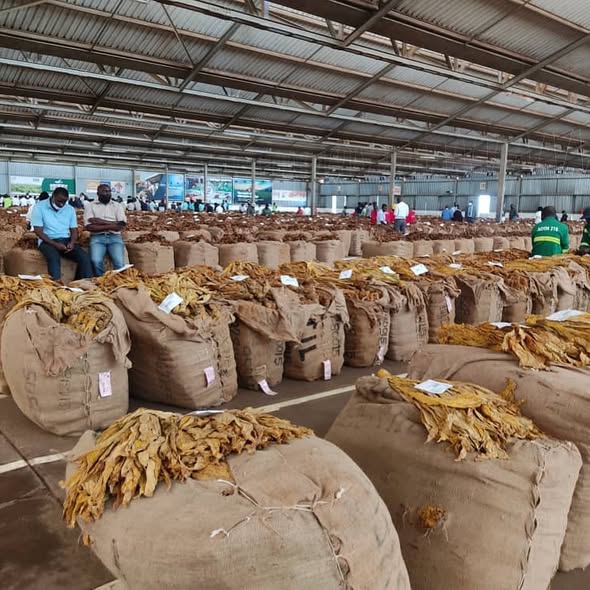
Malawi’s tobacco sector had a record year in 2025, but the headline number tells only part of the story.
The country generated $540 million in tobacco export earnings, driven by a sharp increase in volumes that offset a notable price decline, according to Telephorus Chigwenembe, spokesperson for the Tobacco Commission.
Export volumes rose 66% year over year to 221,000 metric tons, reflecting robust output and sustained global demand for Malawi’s leaf. But that surge came at a cost. Average prices fell to $2.45 per kilogram, down from $2.98 the previous year, highlighting growing pressure on margins across the supply chain.
“Tobacco remains a key contributor to the economy,” Chigwenembe said, noting that the crop accounts for roughly half of Malawi’s foreign exchange earnings.
That dependence makes price movements especially consequential. Even as total revenue climbed, lower per-kilogram returns raise concerns about farmers’ profitability and long-term sustainability, especially for smallholder growers who dominate the country’s production base.
Looking ahead, the outlook suggests more of the same pressure will persist. Production for the 2026 season is forecast at about 197,000 tons, while demand is expected to reach only about 170,000 tons. That imbalance signals oversupply, a dynamic that typically pushes prices lower in auction-driven markets like Malawi’s.
For the nicotine and tobacco industry, the trend highlights a familiar challenge. Higher volumes can stabilize export earnings in the short term, but persistent price declines can erode value across the chain—from growers to merchants—especially in markets heavily reliant on a single crop.