By Timothy S. Donahue
World Tobacco Middle East 2025 in Dubai from Nov. 11-12, 2025, was another forward-facing example of a global tobacco and nicotine market that is continuing to consolidate, mature, and move toward product formats that meet stricter regulatory requirements, consumer expectations, and a rapidly rebalancing global supply chain.
What appeared on the show floor was an industry shifting decisively from novelty to long-term sustainability, from speculative product launches to viable large-scale manufacturing solutions.
Manufacturers came to Dubai prepared to compete in product engineering, compliance readiness, and the ability to scale production for multinational buyers. A detailed summary from Wingle Electronics Group, which tracked exhibitors throughout the two-day event, outlined the underlying shift. According to the report, the products with the strongest buyer engagement were those that solved practical problems: regulatory complexity, shelf-life stability, environmental constraints, logistics reliability, and consumer cost sensitivity.
Next year could be a major transitional period for the industry. The cycle of hype-driven products, such as tech-heavy disposables and increasing puff counts, is shifting toward more sustainable, modern oral formats, heated tobacco platforms, and compliant vapor systems. Meanwhile, a prominent presence of aroma inhalers, nebulizers, and non-nicotine devices signals a broader diversification of inhaled categories, even if these segments are still in the early stages of adoption.
Modern Oral
No category on the show floor grew faster or drew more attention than modern oral nicotine. The surge is expected as regulatory pressure tightens worldwide—especially in Europe, the U.S., and Asia—pouches have become the preferred risk-managed option for manufacturers, importers, and major retail chains. WVS 2025 offered visitors a diverse range of products and a competitive atmosphere among exhibitors.
Wingle’s report identified nicotine pouches as one of the highest-traffic product zones throughout the event. Brands emphasized qualities such as improved moisture retention, reduced drip, consistent nicotine delivery, and a shift toward Scandinavian-style textures. The move toward pharmaceutical-grade manufacturing standards was unmistakable. Nearly every booth highlighted upgraded clean-room facilities, ISO certifications, enhanced microbial control, and precise dosing technologies.
In terms of flavor profiles, fruit-heavy SKUs remained present, but the overall tone of the category pointed toward a more balanced portfolio. Many producers offered mint-forward assortments, tobacco-inspired profiles, and capsule-enhanced formats designed for adult markets. Strength segmentation also showed signs of stabilization, with most manufacturers focusing their portfolios on 10-20 mg per pouch, in line with regulatory trends across the EU and the Gulf Cooperation Council (GCC).

A notable development was the rise of customized pouch platforms for B2B buyers. Private-label opportunities grew significantly, driven by advances in mass-production precision that allow retailers to design their own strengths, fill weights, fiber blends, and moisture formats with reliable turnaround times. Several companies introduced “rapid-launch” systems that shorten go-to-market timelines by combining packaging design, regulatory documentation, and production into a single streamlined process.
The Dubai show showed that modern oral products are no longer a niche market. They are becoming the main choice of next-generation nicotine in markets where smoking is declining, vaping options are limited, and governments are actively promoting lower-risk products that can be sold within regulated retail systems.
Heated Tobacco
Heated tobacco products (HTPs) and consumables had a strong presence, anchored by a growing pool of independent and OEM manufacturers seeking to compete with dominant incumbents such as glo, IQOS, Ploom, and others. Based on the Wingle Group report, interest in HTPs centered on reliability, temperature-control precision, and the availability of compatible consumables for global buyers.
Device platforms have evolved significantly. Many exhibitors presented compact, modular designs capable of consistently delivering heating cycles with enhanced coil durability and stable power output. Several manufacturers introduced systems using ceramic heating blades or hybrid conduction-convection methods, signaling a move toward better aerosol quality without burning the tobacco substrate.
Consumables experienced similar innovations. Leaf sticks are increasingly available in finer cuts, stabilized moisture formulas, and regional blends. Menthol variants—still permitted in many Middle Eastern markets—remained in high demand. Exhibitors also emphasized synthetic blends and nicotine-free heated sticks designed for markets testing partial restrictions.

The heated tobacco segment is entering a new stage of diversification. More suppliers can now produce competitive platforms, reducing reliance on any single global provider and enabling private-label HNB products to enter more markets.
Vapor
Vapor products occupied the largest physical footprint at WTME 2025, as expected. However, the tone surrounding the category has shifted significantly. Disposable devices remained present, but the clear emphasis was on compliant, sustainable, and highly engineered alternatives designed for regulated markets.
Exhibitors prioritized devices that extend cycle life, reduce leakage, and meet the technical documentation requirements emerging across the GCC, EU, and U.S. markets. Smart-chip airflow sensing, anti-leak structures, cotton-derived wick systems, adjustable power modes, and extended puff-count accuracy were widely showcased.
The refillable sector is gaining new momentum. Several manufacturers introduced compact pod systems designed for adult consumers and convenience-focused markets—signaling an industry shift away from high-volume disposables toward longer-lasting closed pods. Many exhibitors noted the improved consistency of ceramic coil systems and new atomizing systems, such as Greentank’s Quantum technology, which now provide more stable flavor reproduction over multiple refills.

Compliance-ready packaging emerged as a key trend. Manufacturers showcased child-resistant designs, tamper-evident labels, QR-enabled batch traceability, and multilingual regulatory inserts. These features, once set apart only for the biggest global brands, are now standard among serious exporters, indicating the industry is gearing up to fall in line with a potential tightening of import regulations across Europe, Asia, and Africa.
Flavors stayed diverse but were more carefully chosen. Exhibitors increasingly favored adult-oriented flavor bases like mints, tobaccos, botanicals, coffees, and subtle fruit blends, expecting regulatory pressure similar to the UAE’s stricter rules on packaging and product presentation.
Traditional Tobacco
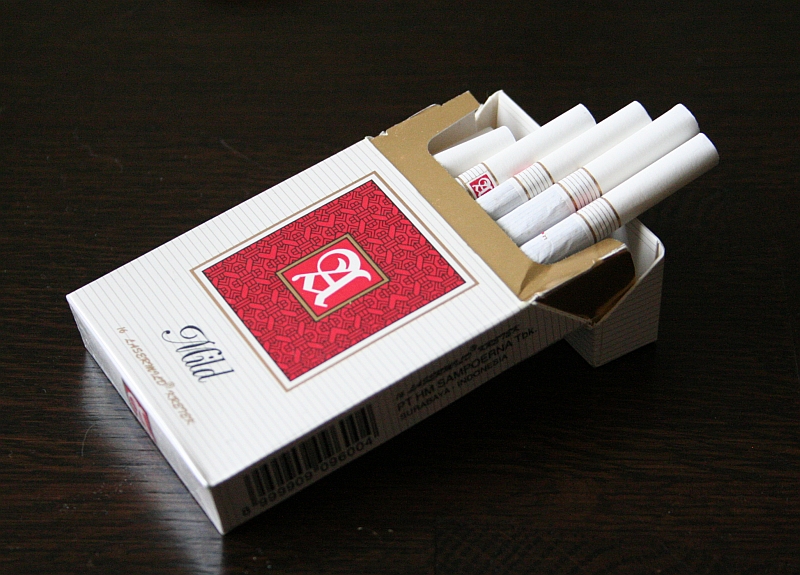
Traditional tobacco products—despite the quick growth of alternatives—reappeared in Dubai with a renewed focus on gradual innovation and modernization. Cigarette manufacturers and suppliers emphasized upgraded filter technologies, biodegradable materials, additive-reduction solutions, and packaging formats designed for markets addressing environmental laws.
Several exhibitors focused on low-tar paper engineering, activated-carbon filter innovations, and biodegradable filter substrates designed to meet environmental regulations emerging in Europe and parts of Asia. Machinery suppliers showcased high-speed stick-production systems and quality-control platforms capable of reducing waste, improving moisture consistency, and monitoring rod density with greater accuracy.

Leaf suppliers also maintained a strong presence. Many highlighted stabilized blends, enhanced curing methods, and regionalized supply networks designed to counteract geopolitical and tariff-related disruptions. For international buyers, Dubai’s tobacco hall served as a reminder that although global combustion volumes are shrinking, significant demand continues in regions where combustible sales remain prevalent and less regulated.
Aroma Inhalers, Nebulizers
Though smaller in scale than the major nicotine categories, aroma inhalers and nebulizer-style inhalation devices attracted notable curiosity. These products—non-nicotine inhalable aromatherapy systems—have become a quiet growth segment in markets where nicotine regulations are moving toward prohibition.
Exhibitors showcased essential-oil devices, water-based aerosol inhalers, and wellness-branded systems designed for relaxation, energy, or focus. Many featured LED lighting, adjustable airflow, and discreet industrial design. Although this category doesn’t match the volume of modern oral or vapor products, its presence indicates a future where “parallel inhalation categories” may expand alongside nicotine products, either as complements or alternatives depending on regional regulations.
Closing Out
What WTME 2025 clearly showed is that the global nicotine industry is preparing for a more tightly regulated, technologically advanced, and compliance-heavy market environment. WTME 2025 reflected a next-generation nicotine sector that has moved beyond its early-era reactive product cycles and is now building long-term portfolios with stronger engineering and regulatory foundations.
Modern oral products emerged as the most stable and growth-ready category. Heated tobacco platforms showed strong global momentum as more suppliers entered the market. Vapor continued its evolution toward compliance-focused engineering, with refillable systems indicating a more sustainable regulatory future. Even smaller categories—such as aroma inhalers and nebulizers—offered insights into diversified inhalation markets that could establish a foothold where nicotine restrictions become harsher.

WTME 2025 offered insight into the tobacco/nicotine industry’s future direction. The show made one fact clear—innovation is no longer optional. It’s the essential requirement for global competitiveness in the nicotine sector’s next chapter.