By Timothy S. Donhaue
Top Takeaways:
- Industry opposition: Indonesian tobacco manufacturers, farmers, and supply chain groups are urging the government to abandon proposed regulations that would cap nicotine and tar levels, require plain packaging, and ban certain additives.
- Kretek in focus: Industry representatives say that most clove cigarettes, which make up about 90% of Indonesia’s cigarette market, would be unable to comply with the proposed limits.
- Economic stakes: Tobacco groups warn that the rules could disrupt an industry they say generates 710 trillion rupiah ($39.6 billion) in economic activity, supports 6 million jobs, and contributes roughly 300 trillion rupiah annually in excise taxes and other government revenue.
Indonesia’s tobacco industry is mounting a last-minute campaign against sweeping new tobacco regulations, warning the government that proposed restrictions on nicotine and tar levels, cigarette packaging, and additives could significantly disrupt one of the world’s largest cigarette markets.
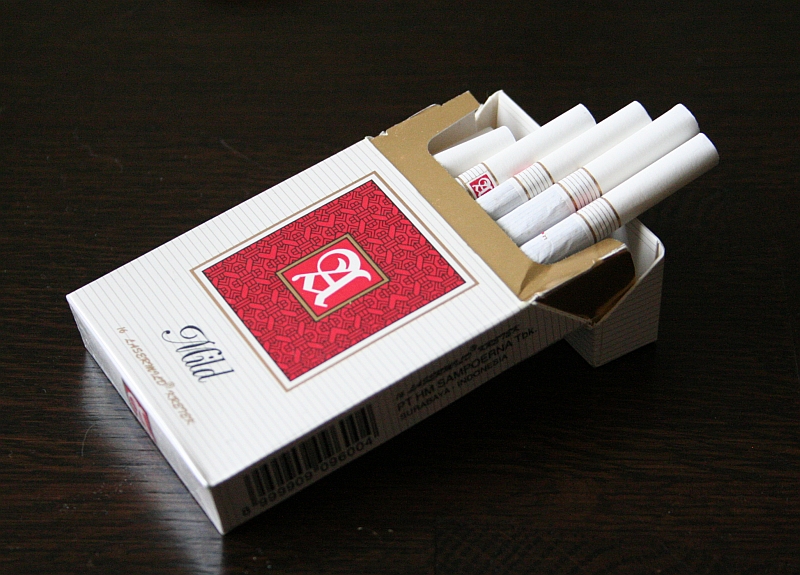
The regulations, expected to be issued by July 26, would require plain packaging for cigarettes and e-cigarettes, set maximum limits of 10 milligrams of tar and 1 milligram of nicotine per cigarette, and prohibit certain additives used in tobacco manufacturing.
At a joint press conference Thursday, manufacturers, tobacco farmers, and other industry groups argued that the measures would be especially damaging because they do not account for the unique characteristics of Indonesia’s kretek market.
“If these rules are implemented, the industry will collapse,” Henry Najoan, chairman of the Federation of Indonesian Cigarette Manufacturers, said.
Industry representatives also threatened nationwide demonstrations if the government moves forward with the proposal without significant revisions.
Indonesia is the world’s largest market for kretek, or clove cigarettes, which make up about 90% of domestic cigarette sales. According to Edi Sutopo, chairman of the Indonesian Tobacco Community Alliance, most existing kretek products would be unable to meet the proposed nicotine and tar ceilings due to their traditional formulations.
Sutopo also said that several additives targeted by the proposal are standard manufacturing ingredients, including cooling agents used in both kretek and conventional cigarettes and sugar used to retain moisture in clove tobacco.
The tobacco coalition argued that the regulations could have far-reaching economic consequences. According to industry estimates, Indonesia’s tobacco sector generates about 710 trillion rupiah (US$39.6 billion) in economic activity annually, supports about 6 million workers and farmers, and contributes roughly 300 trillion rupiah in excise taxes and other government revenues each year.
Industry leaders also warned that requiring plain packaging could accelerate growth in Indonesia’s illicit cigarette market by making counterfeit products easier to produce and harder for consumers and enforcement officials to distinguish from legitimate brands.
The proposals could also have significant implications for multinational tobacco companies with major investments in Indonesia. Indonesia’s largest manufacturers include Hanjaya Mandala Sampoerna, controlled by Philip Morris International; Gudang Garam; Djarum Group; and Bentoel, the Indonesian subsidiary of British American Tobacco.
If adopted as proposed, the regulations would be among the most significant changes to Indonesia’s tobacco market in decades, affecting product formulation, packaging, manufacturing practices, and marketing for both combustible cigarettes and e-cigarettes. As of Thursday, the government had not publicly responded to the industry’s objections.