Top Takeaways:
- FDA authorized six on! PLUS nicotine pouch products under its new nicotine pouch pilot program.
- The first authorizations were granted to Helix Innovations, a subsidiary of Altria Group, and were completed in record time.
- Industry stakeholders said the decisions confirm that the FDA can move efficiently while maintaining public health standards.
By Timothy S. Donahue
The U.S. Food and Drug Administration on Friday authorized the marketing of six nicotine pouch products, issuing the first decisions under a pilot program launched to accelerate the review of nicotine pouch premarket tobacco product applications.
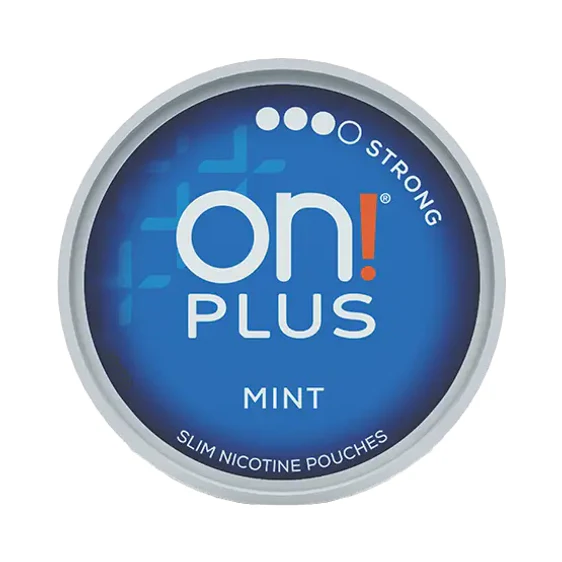
The authorizations apply to six on! PLUS nicotine pouch products manufactured by Helix Innovations LLC, a subsidiary of Altria Group, marking the first completed outcomes of the FDA’s nicotine pouch pilot program.
According to the FDA, changes implemented through the pilot—including real-time communication with applicants—enabled the agency to complete the scientific review in what it described as record time while maintaining the statutory “appropriate for the protection of public health” standard required under the 2009 Family Smoking Prevention and Tobacco Control Act.
Laura Leigh Oyler, vice president of regulatory affairs at Haypp Group, said the authorizations confirm what much of the nicotine industry had expected as the pilot program began to take shape.
“Today’s announcement from the FDA proves they can move swiftly through the PMTA process for nicotine pouches,” Oyler said. “We look forward to seeing them continue at this pace and relieve the large backlog of applications in 2026.”
The authorized products include on! PLUS nicotine pouches in mint, tobacco, and wintergreen flavors, each available in 6 mg and 9 mg nicotine strengths. The FDA emphasized that the authorizations apply only to these six products and do not extend to any other nicotine pouch products manufactured by Helix Innovations.
“Today’s marketing authorizations confirm that rigorous and efficient standards of scientific review are not mutually exclusive,” said Dr. Bret Koplow, acting director of the FDA’s Center for Tobacco Products. “As a result of the FDA’s nicotine pouch pilot program, adults who smoke cigarettes and would like to switch to a lower-risk alternative tobacco product will now have an expanded array of options.”
Following its scientific review, the FDA determined that the evidence submitted by the company demonstrated that the products meet the public health standard. The agency said the products contain lower levels of the most harmful and potentially harmful constituents compared with other oral and smokeless tobacco products, and several carcinogenic constituents are not present at measurable levels.
FDA also concluded that the products have the potential to benefit adults who currently smoke cigarettes or use other smokeless tobacco products and who switch completely, and that those benefits outweigh the risks to youth and non-users.
As conditions of authorization, the FDA required certified child-resistant packaging, consisting of a child-resistant can and a safety lid. The agency also imposed marketing restrictions across digital, television, and radio media to reduce youth exposure. Helix Innovations must track, measure, and report to the FDA on the effectiveness of its youth-prevention measures and provide demographic analyses of audiences reached by its advertising and promotional activities.
Oyler said the decision reflects renewed momentum toward the FDA’s long-standing goal of reducing cigarette smoking through lower-risk alternatives.
“Way back in 2017, the FDA set a mandate to move Americans away from cigarettes, and we are encouraged to see they are returning to that mandate with the swift approval of nicotine pouch products,” she said. “Moving forward, we are excited to be a part of this solution at Nicokick and offer consumers a non-smoking alternative to nicotine.”
FDA reiterated that the authorization does not mean the products are safe or “FDA approved,” and emphasized that no tobacco product is risk-free. The agency said it continues to review additional nicotine pouch applications under the pilot program and will evaluate whether any process changes should be incorporated into the broader PMTA review framework once the pilot concludes.