
By Timothy S. Donahue
Top Takeaways:
- Below-inflation increase: Türkiye raised tobacco SCT by 7.95%, less than the roughly 10% implied by producer inflation.
- Cigarette impact: The per-pack excise tax rises to ₺56.78, keeping tobacco a major revenue source despite moderated hikes.
- Policy balancing act: The move reflects efforts to manage inflation while preserving excise revenues ahead of the next July 2026 review.
Türkiye will limit increases to tobacco excise taxes in the first half of 2026, opting for a below-inflation adjustment under its Special Consumption Tax (SCT) regime as part of a broader effort to moderate price pressures while preserving fiscal revenue.
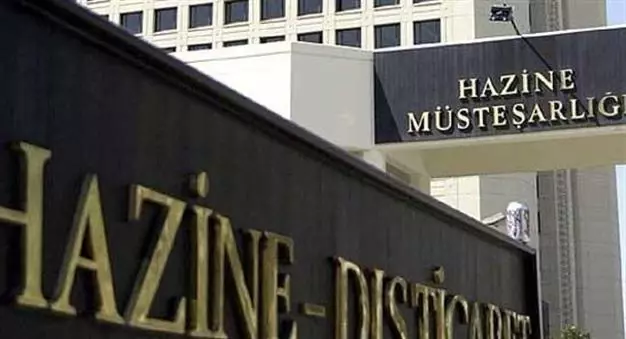
Under a presidential decree published in the Official Gazette, the SCT on tobacco products will rise by 7.95% in January, below the roughly 10% increase implied by producer inflation over the previous six months. By law, SCT rates on fuel, tobacco, and alcohol are revised twice a year—in January and July—based on changes in the domestic producer price index (D-PPI).
According to the decree, the per-pack excise tax on cigarettes will increase by ₺1.28 to ₺56.78 as a result of the adjustment. The government applied the same 7.95% increase to alcoholic beverages, while fuel taxes were raised by a lower 6.95%.
Tobacco remains a core contributor to Türkiye’s excise tax base. From January through November 2025, the country collected approximately ₺10 trillion (US$232.8 billion) in total tax revenue, of which ₺1.79 trillion (US$73.0 billion) came from SCT, or about 17.9% of the total. Tobacco alone accounted for ₺396.4 billion (US$9.2 billion) in SCT revenue, making it one of the largest individual contributors, alongside fuel and alcohol.
The tobacco market is also significant in terms of consumption. Türkiye has more than 19 million smokers, who collectively spend over $16 billion annually on cigarettes, according to industry and government estimates.
Officials said the decision to restrain the SCT increase is intended to ease consumer price pressures while remaining consistent with broader macroeconomic goals. In a statement, the Republic of Türkiye Ministry of Treasury and Finance said the adjustment aligns with the government’s Medium-Term Program, which targets 16% inflation, and with the Central Bank of the Republic of Türkiye, which has set a 19% inflation target.
For 2026 budget planning, authorities assumed an average 7.84% increase across SCT categories, reinforcing the decision to keep tobacco tax hikes below the producer inflation benchmark for the first half of the year.
The government has taken a similar approach across other tax categories, capping increases in motor vehicle taxes, stamp duties, and judicial and administrative fees to below the official revaluation rate. The departure fee was also raised, but at a lower rate.
According to the Turkish Statistical Institute, alcoholic beverages and tobacco account for 3.52% of the consumer price index basket, while fuel and gasoline account for 3.32%, giving these excise-heavy categories a combined 6.84% influence on CPI calculations—a factor policymakers cited when seeking to limit pass-through effects.
Although the January increase is lower than usual, tobacco excise taxes in Türkiye remain subject to another scheduled revision in July 2026, leaving open the possibility of further adjustments based on inflation trends and fiscal priorities.


