Top Takeaways:
- Industry-backed training launches: PROCIGAR and INFOTEP have opened a vocational school dedicated to training Dominican cigar rollers, for the first time.
- Workforce gap addressed: The program aims to meet rising demand for skilled cigar artisans while keeping employer-paid training funds within the tobacco industry.
- Economic and cultural stakes: Organizers say the school will strengthen rural employment, preserve craftsmanship, and support the long-term sustainability of the premium cigar industry.
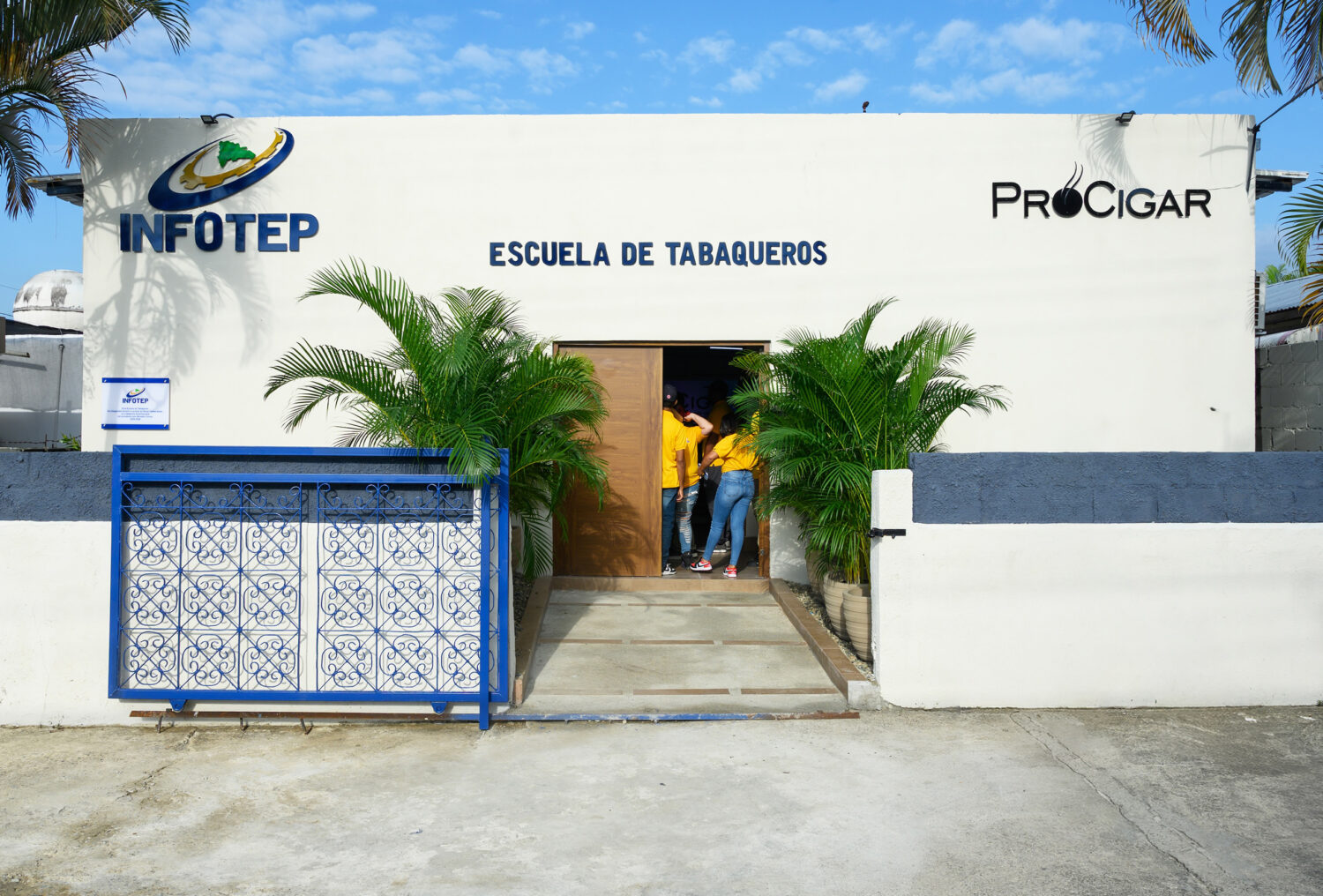
It’s an exciting first. A new vocational school that will train future Dominican cigarmakers has finally opened in the city of Tamboril.
The PROCIGAR–INFOTEP Escuela de Tabaqueros, or School of Tobacco Artisans, is a creation of the National Institute of Technical and Vocational Training (INFOTEP), in partnership with Procigar, a Dominican Republic cigar manufacturers’ association.
INFOTEP is funded by taxes that employers pay nationwide to support future vocational training. Previously, there was no cigar-making program at INFOTEP, so taxes from cigar factories were funding training for other industries. Given the need for more cigar rollers in the country, Procigar worked with INFOTEP to start this program.
“This school was born out of necessity,” said Litto Gómez, president of Procigar and co-founder of La Flor Dominicana, in a press release. “The Dominican cigar industry depends on the knowledge, discipline, and craftsmanship of its artisans. To guarantee quality, prestige, and long-term sustainability, we must train tobacco workers according to international standards established by Procigar. This institution ensures that the art of cigar making is preserved, strengthened, and passed on with excellence.”
In addition to ensuring the future of the premium cigar industry workforce, the initiative aims to have a societal and economic impact by providing graduates with access to employment opportunities offering competitive incomes. The school provides instruction on tobacco culture and its importance to the Dominican economy.
“These students will not only learn a trade; they will become productive members of society through skilled, honorable work,” said Gomez. “The tobacco industry creates real opportunities, supports families, and strengthens entire communities while preserving a cultural legacy that is central to our national identity.”
The school can accommodate 24 students per course, with courses offered on weekdays in the morning, afternoon, and evening to accommodate students’ schedules. Saturday classes are also offered. There are approximately 80 students in the first class, which began earlier this week. Procigar members donated various tools to the school, including rolling tables, cigar molds, and chavetas used for cutting tobacco. INTABACO, the Tobacco Institute of the Dominican Republic, will provide the tobacco that the students will use for their training.
Upon graduation, the rollers will be allowed to choose which cigar factory they go to, including factories that are not Procigar members.
The school’s formation was announced in October 2024. At the time, Procigar had hoped to open the school in the coming months, but it took more than a year to prepare the program for the first students.