By Timothy S. Donahue
Top Takeaways:
- Major U.S. investment: PMI’s $600 million Aurora plant is central to its U.S. Zyn expansion strategy.
- Production already live: Commercial Zyn output began in September 2025, with the product already in retail channels.
- 500 jobs by 2026: The 150-acre facility is expected to reach full operational capacity by next year.
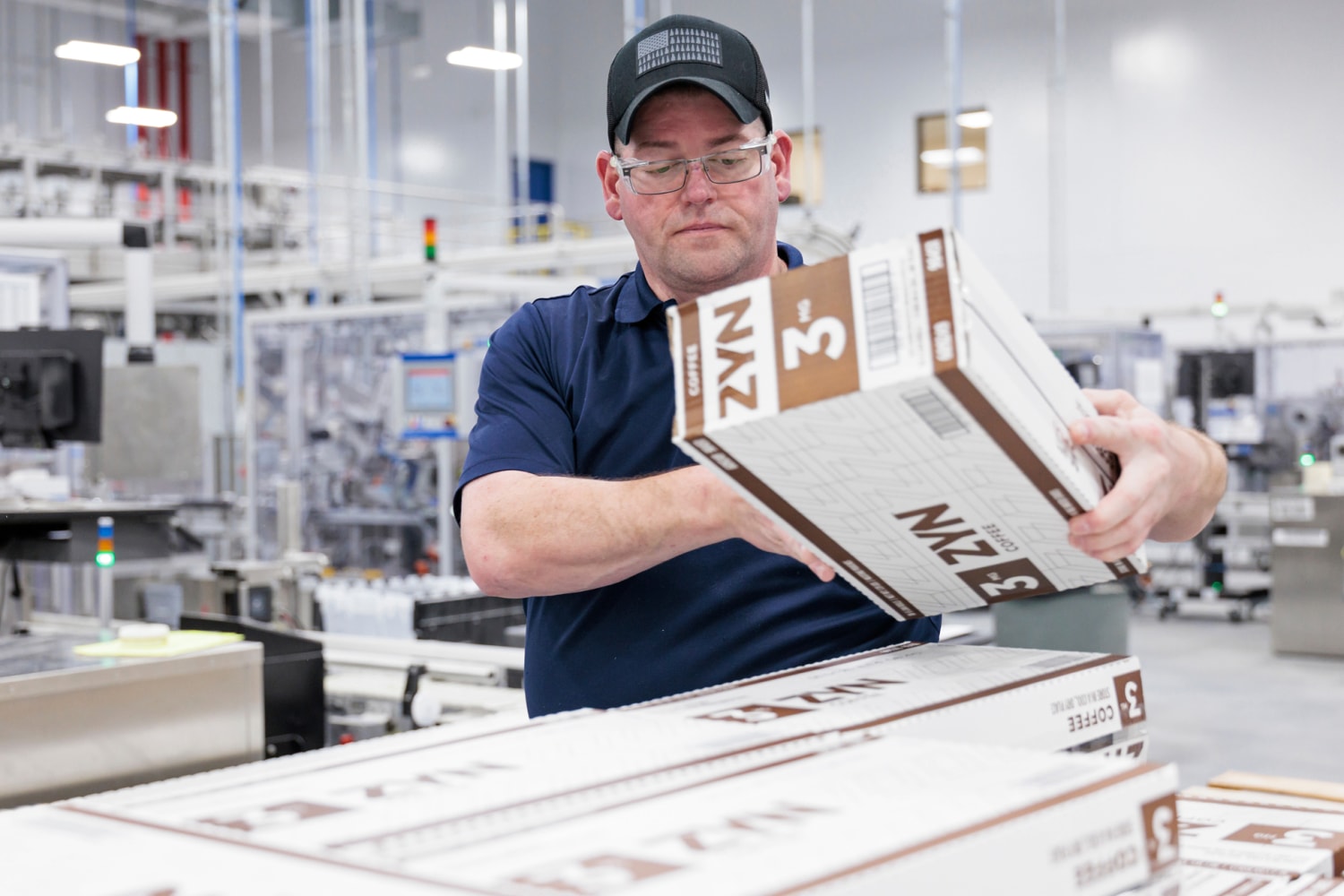
Philip Morris International offered the media a first look inside its $600 million Zyn nicotine pouch manufacturing facility in Aurora, Colorado, a cornerstone of the company’s expanding U.S. smoke-free footprint.
“Construction of our Aurora manufacturing facility is progressing strongly, on its way to completion – this includes the main buildings, installation of manufacturing equipment and external infrastructure, including road access,” a spokesperson for PMI said. “We continue to ramp up hiring and onboarding as we plan for progressively increasing production this year.”

The 150-acre campus in the Denver metro area began construction in late 2024 and is expected to create approximately 500 jobs once fully operational in 2026. The site is dedicated to producing Zyn nicotine pouches for the U.S. market, where demand has surged amid continued growth in the oral nicotine category.
Despite ongoing infrastructure work and sections of the main building still under construction, the facility began producing commercial Zyn products in September 2025. According to company officials, those products have already entered distribution channels and reached retail shelves.
The Aurora investment follows PMI’s 2022 acquisition of Swedish Match, the maker of Zyn, which marked a strategic pivot toward smoke-free products in the United States. Zyn has become one of the fastest-growing nicotine brands in the country, and PMI has repeatedly told investors that U.S. oral nicotine demand has outpaced supply capacity over the past two years.
According to Brian Erkkila, a director of regulatory science with PMI, the current phase of construction is estimated to create 5,000 jobs and generate over $1 billion in economic output.
“We really just started producing products for market, and we’re going to keep ramping that up as we’re able to get everything online and when we’re able to bring the appropriate staff and training, so it’s going to be a scale-up during the year,” Erkkila said.
PMI has positioned the Aurora facility as part of its broader goal of transitioning away from combustible cigarettes toward reduced-risk products. The plant will complement existing production capacity while reducing reliance on imported supply for the U.S. market.
Company executives have previously stated that expanding domestic manufacturing improves supply-chain resilience, shortens distribution timelines, and positions PMI to meet long-term U.S. growth expectations for nicotine pouches.
The Aurora buildout also ranks among the largest recent manufacturing investments in nicotine pouches in the United States, underscoring the category’s shift from niche to mainstream within the broader tobacco and nicotine landscape.
Nicotine pouches represent 7% of the tobacco market, according to Erkkila. He noted that the demand for these products is increasing as cigarette smokers seek alternatives to combustible cigarettes.
“We have a lot of work to do to … educate those people who are still smoking that there are better alternatives out there for them,” he said.
The plant is anticipated to produce around $500 million in economic impact annually, Erkkila said.