By Timothy S. Donahue
Top Takeaways:
- Youth vaping push: Health officials want to ban flavored nicotine products and add local retailer licensing to curb youth use.
- Business backlash: Vape shop owners say the ban would force closures and drive sales online or outside city limits.
- High local rates: Regional youth nicotine use remains elevated compared with national averages, fueling the debate.
Update: Commissioners voted to table the discussion until after the June election.
Public health officials in Fargo, North Dakota, are supporting a proposed ban on flavored tobacco and nicotine products, setting up a clash with local business owners who say the measure could shutter stores and shift sales out of the city.
On Feb. 20, the Fargo-Cass Board of Health unanimously approved a resolution calling for an end to the sale of flavored nicotine products within city limits and the creation of a local licensing regime for retailers selling tobacco and nicotine products. The measure now goes to the Fargo City Commission for possible first reading in March.
Public health leaders say rising youth vaping rates in the region demand stronger local action. Abby Lange, a community health educator with Fargo Cass Public Health, cited data showing that nearly 90% of young tobacco users prefer flavored products, including pink lemonade, strawberry kiwi, and vanilla custard.
“Youth are particularly vulnerable because of their brain development stage that is making them more likely to believe these products are safer, a legal alternative, or really just not realizing what they’re even consuming at all,” Lange told the board during the special meeting.”
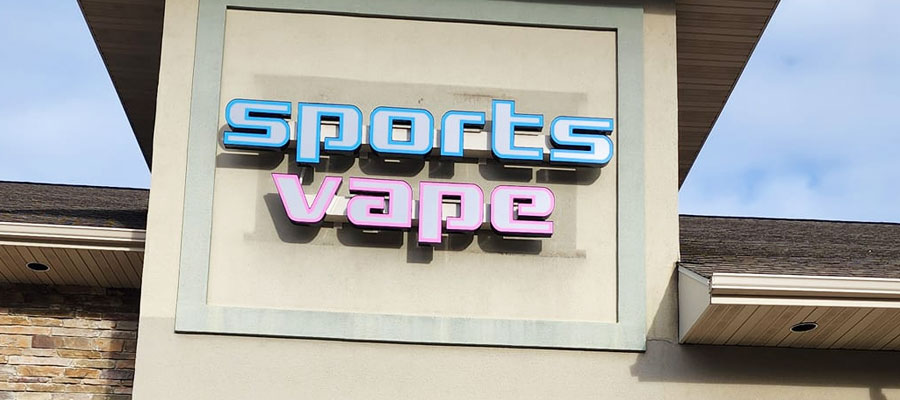
Local business owners sharply criticized the proposal. Zach Johnson, owner of Sports Vape in Fargo, told the board that a ban on flavored nicotine products would “effectively shutter” his business after more than a decade of operation and push consumers to buy products online or in neighboring towns.
“Youth access overwhelmingly happens through social media sources, older friends, siblings, online sellers that do not verify age properly,” Johnson said, arguing that brick-and-mortar regulation won’t address the core problem.
The board’s resolution also calls for retailers to obtain a local tobacco and nicotine license in addition to state permits and to cap the number of licensed outlets, with existing businesses grandfathered in.