By Timothy S. Donahue
Top Takeaways:
Pharmacy ban tweak: Maine lawmakers are moving forward with legislation that would permit some grocery stores with leased pharmacies to keep selling tobacco despite the state’s new pharmacy tobacco ban.
Small grocers targeted: The bill aims to protect locally owned grocery stores that lease space to independent pharmacies but were unintentionally included in the wider restriction.
Fast-track move: Lawmakers added an emergency designation so the fix could take effect immediately if enacted, ahead of the statewide ban scheduled to begin in April.
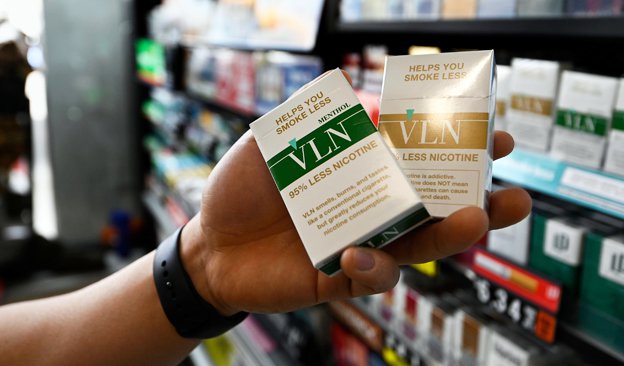
Maine lawmakers are moving to amend the state’s recently enacted prohibition on tobacco sales in pharmacies and stores containing pharmacies, recommending a narrow exemption for certain grocery stores that lease space to independent pharmacy operators.
The Legislature’s Health and Human Services Committee unanimously recommended passage of LD 2134, a bill sponsored by Sen. Chip Curry, aimed at preventing small grocers from losing tobacco sales because they rent space to a pharmacy within their stores.
The proposal comes after Maine approved legislation last year banning tobacco sales in pharmacies and retail establishments that contain pharmacies. The measure, signed by Gov. Janet Mills, is scheduled to take effect in April and allows penalties of up to $2,000 per day for violations.
Under the new bill, grocery stores could still qualify for a tobacco license if they meet several criteria. Eligible stores must have less than 26,000 square feet of customer-accessible retail space, operate primarily as grocery stores, and lease pharmacy space that is separately licensed and independently operated.
The pharmacy must also function as a “separately demised, leased space under a written lease” and hold its own pharmacy license, according to the legislation. The lease must have been in place before July 7, 2025, when the original tobacco restriction law was signed.
Tobacco sales would also need to occur completely outside the pharmacy’s leased area and be processed through the grocery store’s separate point-of-sale and inventory systems.
Curry told lawmakers the measure is meant to correct an unintended consequence of the earlier legislation.
“In the process of preventing large chain retailers with in-store pharmacies from selling tobacco products, a handful of smaller, locally owned grocery stores were swept in as well,” Curry said during testimony introducing the bill.
He added that some stores “happen to lease space to an independently operated pharmacy but otherwise operate just like any other neighborhood grocer.”
“Losing that revenue because of a technicality in how their building is structured puts additional strain on businesses that are already operating on thin margins and serving communities that may have few other grocery options,” Curry said.
Lawmakers on the committee did not alter the bill’s underlying language but added an emergency designation, which would allow the change to take effect immediately if signed by the governor. The move is intended to ensure the exemption could be implemented before the broader tobacco-sales prohibition begins in April.
Fiscal estimates tied to the original pharmacy tobacco ban suggested the policy could reduce state revenue by roughly $800,000 in the first fiscal year, with similar losses projected in subsequent years.
Many major retail pharmacies had already voluntarily removed tobacco products from shelves prior to the law, including CVS, which stopped selling cigarettes in 2014, and grocery chain Hannaford, which ended tobacco sales in its pharmacies in 2020.
The Maine Senate is expected to consider LD 2134 in the coming days. Because the committee’s recommendation was unanimous, lawmakers are not expected to face significant opposition as the measure moves forward.