By Timothy S. Donahue
Top Takeaways:
- Policy validation: EU review credits tobacco laws with reducing smoking rates from 28% to 24% since 2012.
- Next-gen scrutiny: Commission highlights e-cigarettes, heated tobacco, and pouches as increasing risks driven by youth.
- What’s next: A comprehensive legislative overhaul is anticipated, with a new framework expected in 2026.
Europe’s tobacco regulations are being overhauled—but not before celebrating a win.
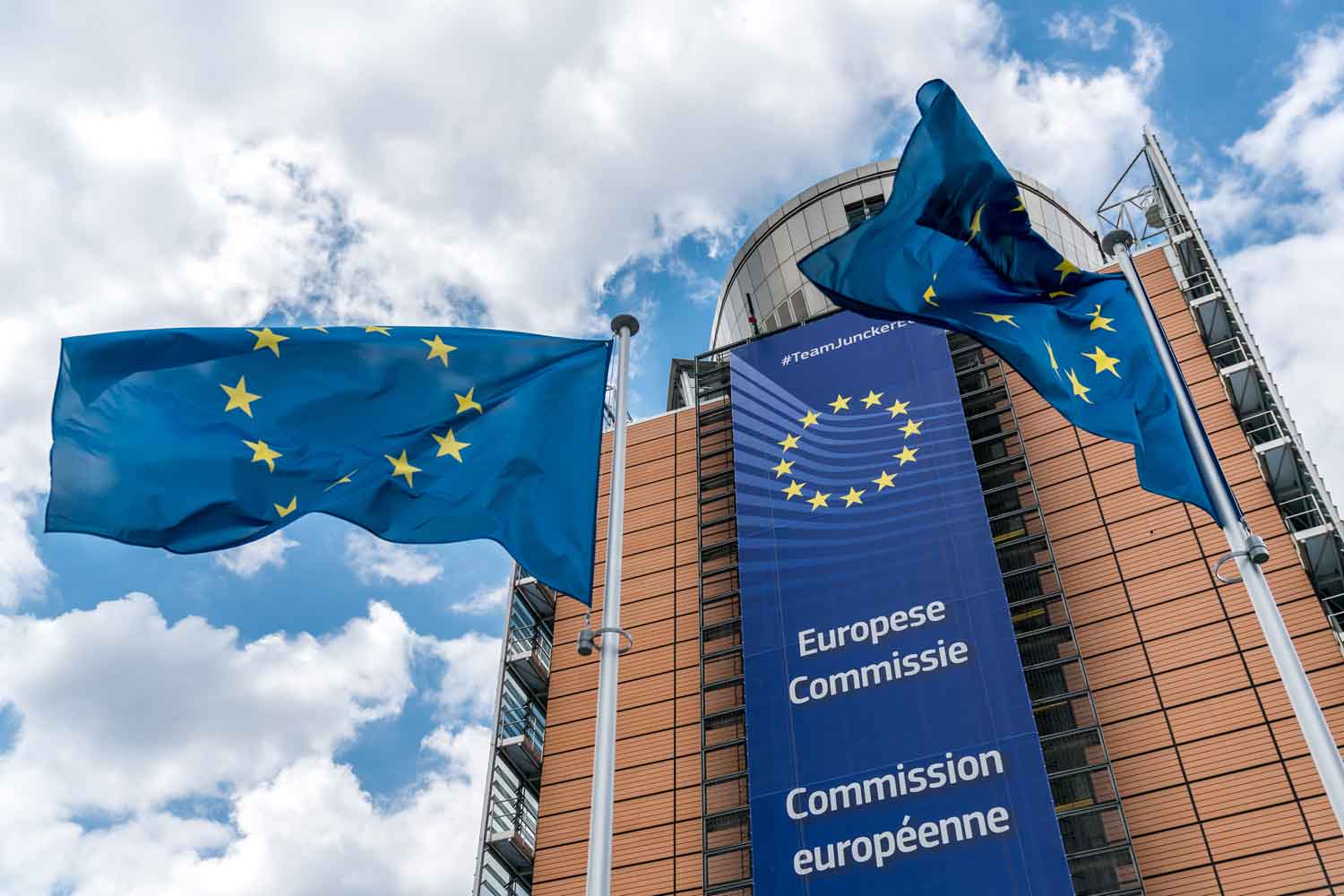
The European Commission has released its much-anticipated review of the bloc’s tobacco control framework, finding that existing laws have greatly lowered smoking rates and tobacco-related deaths while enhancing the efficiency of the internal market.
The review evaluated the performance of the Tobacco Products Directive and Tobacco Advertising Directive, assessing their effectiveness, efficiency, and relevance in relation to public health and market goals.
The main finding is clear: the framework is effective—at least according to traditional measures.
Since 2012, smoking rates in the EU have dropped from 28% to 24% of the population, with larger declines among younger groups. The Commission also noted a significant reduction in tobacco-related deaths, linking the trend to stricter product standards, bans on advertising, and broader health warnings.
At the same time, Brussels announced that harmonized rules among member states have strengthened the internal market. Standardized requirements for ingredients reporting, packaging, labeling, traceability, and cross-border advertising have reduced fragmentation and improved regulatory consistency across the bloc.
But the report focuses as much on what lies ahead as on what has succeeded.
The Commission identified next-generation nicotine products—including e-cigarettes, heated tobacco, and nicotine pouches—as a growing regulatory challenge. While traditional smoking continues to decline, these categories are gaining popularity, especially among younger users.
The evaluation indicates that features making these products appealing—such as flavors, design, and digital marketing—also raise the risk of youth experimentation and nicotine addiction. The report also points out that in some cases, using these novel products could serve as a gateway to nicotine dependence and possibly lead to combustible tobacco, especially among adolescents.
That framing signals where future regulation is likely headed.
Digital promotion has become another significant gap. Although restrictions have sharply decreased tobacco advertising in traditional media, the Commission noted that online channels—especially social media and influencer-driven content—remain hard to regulate, allowing covert promotion of nicotine products to continue.
The findings set the stage for a significant policy shift.
The Commission confirmed it will now proceed to an impact assessment phase and continue engaging with stakeholders before proposing a revised legislative framework in 2026 as part of its broader health policy agenda.
That revision aims to handle both new product categories and long-standing enforcement issues, effectively changing how nicotine products are regulated across the EU.
Notably, the report has already drawn criticism from industry groups, including Tobacco Europe and Heated Community Hub, which argue the evaluation overlooks harm reduction evidence and overemphasizes risks tied to next-generation products—a debate that is likely to intensify as the legislative process unfolds.