By Timothy S. Donahue
Top Takeaways:
- Supply chain warning: Universal says EU tobacco products directive review underestimates impact on farmers and rural economies
- Illicit risk: The company links tighter regulation to growth in unregulated/illicit markets
- Policy ask: The leaf supplier calls for “rural-proofing” and broader economic assessment in future reforms
A major tobacco supply chain player is asking for the European Union’s latest regulatory review of its Tobacco Products Directive to consider the agricultural side of the industry.
In a letter to European Commission President Ursula von der Leyen, Universal Leaf Tobacco expressed concerns that the EU’s evaluation of its tobacco control framework does not adequately account for the broader economic and supply chain impacts of future policy changes.
The letter, signed by Jonathan Wertheimer, a regional director for Europe at Universal Leaf Tobacco, argues that the Commission’s assessment places too much emphasis on public health considerations and fails to fully address the consequences for farmers, rural communities, and mid-chain operators.
“Universal supports evidence-based regulation and recognizes the importance of the Commission’s public health objectives,” Wertheimer wrote. “However, we are concerned that the evaluation does not sufficiently account for the practical effects… on the lawful agricultural and commercial ecosystem.”
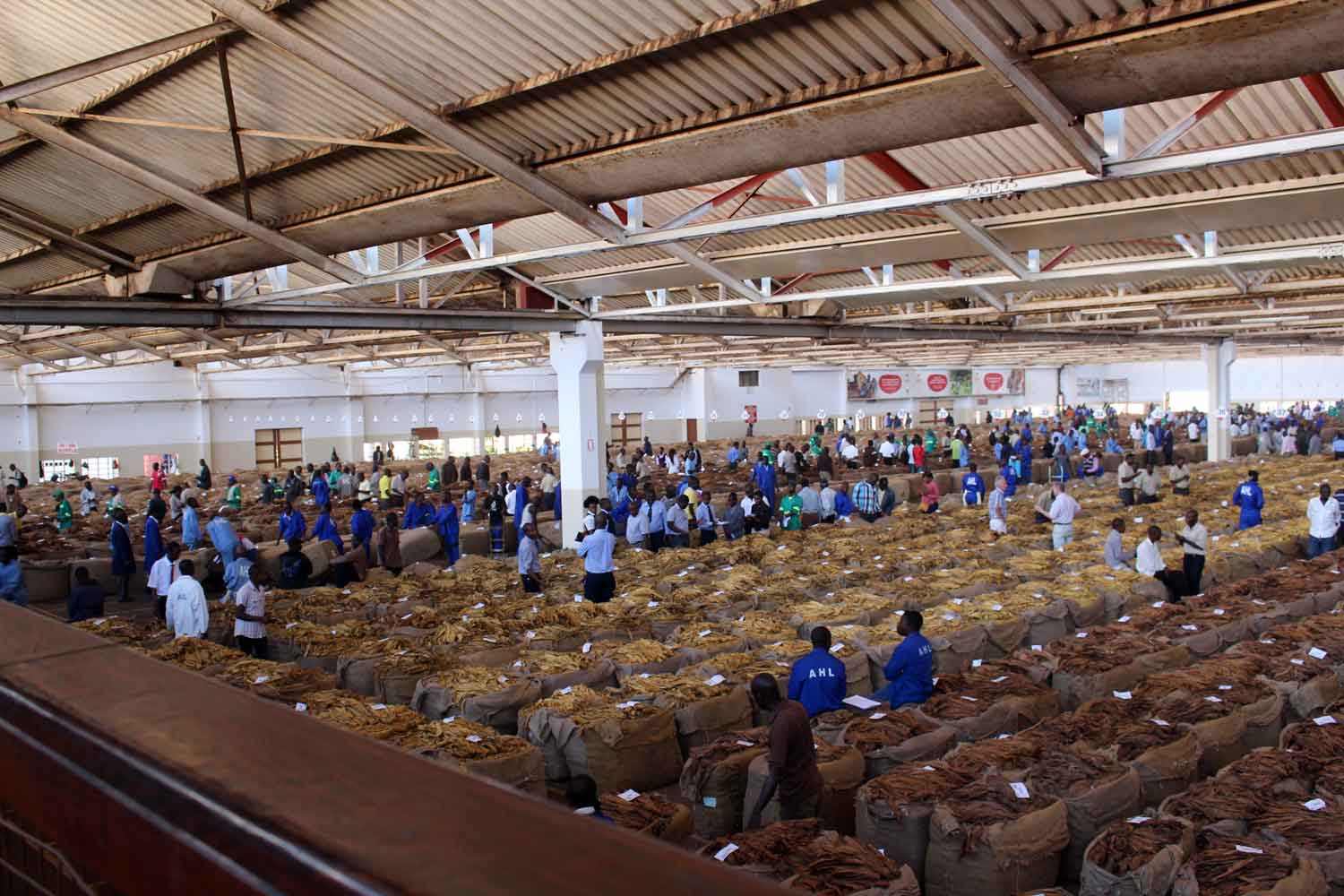
That ecosystem, the company said, extends well beyond manufacturers and retailers. In countries including Bulgaria, Greece, Italy, Spain, Croatia, Poland, and Hungary, tobacco remains a key source of income, seasonal employment, and export activity, particularly in rural areas where economic alternatives may be limited.
“For many farming communities… tobacco remains a significant source of income… and economic stability,” Wertheimer wrote, warning that regulatory changes could have ripple effects across growers, processors and logistics networks.
The company said the EU’s evaluation did not adequately account for those impacts, despite internal guidelines that require broader economic analysis.
“It is notable that the Commission’s evaluation report does not appear to contain a sufficiently visible assessment of the potential consequences… on rural communities, growers, agricultural livelihoods and supply chains,” the letter states, referencing the EU’s “Better Regulation” framework and calls for stronger “rural-proofing” in policymaking.
Beyond economic concerns, Universal also cited enforcement challenges—particularly the relationship between regulation and illicit trade. “We also remain concerned that the evaluation does not give sufficient weight to the relationship between regulatory pressure and illicit trade,” Wertheimer wrote.
The company argued that when regulations outpace enforcement capabilities, demand can shift to unregulated channels, weakening oversight and tax collection. “When regulation outpaces enforceability, demand can shift away from the regulated market and into illicit or unregulated channels, where transparency, tax compliance, product oversight, and age controls are weaker or absent,” the letter states.
That dynamic, it said, is already evident in certain EU regions, particularly along the eastern borders, where enforcement pressures are more acute.
Universal warned that such shifts affect not only governments but also the legal supply chain. “This shift harms… farmers, grower organizations, leaf merchants, and other mid-chain participants by weakening the legal market on which they depend,” Wertheimer wrote.
The company is now calling for a more comprehensive policy approach as the EU moves to revise its tobacco framework.
Specifically, Universal urges regulators to conduct a more balanced assessment that includes agricultural competitiveness, rural employment, enforcement feasibility, and the long-term viability of regulated supply chains. “We believe that any future revision… should be supported by a more complete and balanced assessment,” the letter states, outlining the need to evaluate impacts beyond public health alone.
The company also requested direct engagement with EU officials as the process continues. “Universal remains committed to constructive engagement… and respectfully requests a meeting to discuss further,” Wertheimer wrote.