By Timothy S. Donahue
Top Takeaways:
- Jurisdiction ruling: Court says cantons lack authority to ban disposable vapes
- Federal shift: National “puff” ban process already underway since 2025
- Legal uncertainty: Decision can still be appealed to Switzerland’s top court
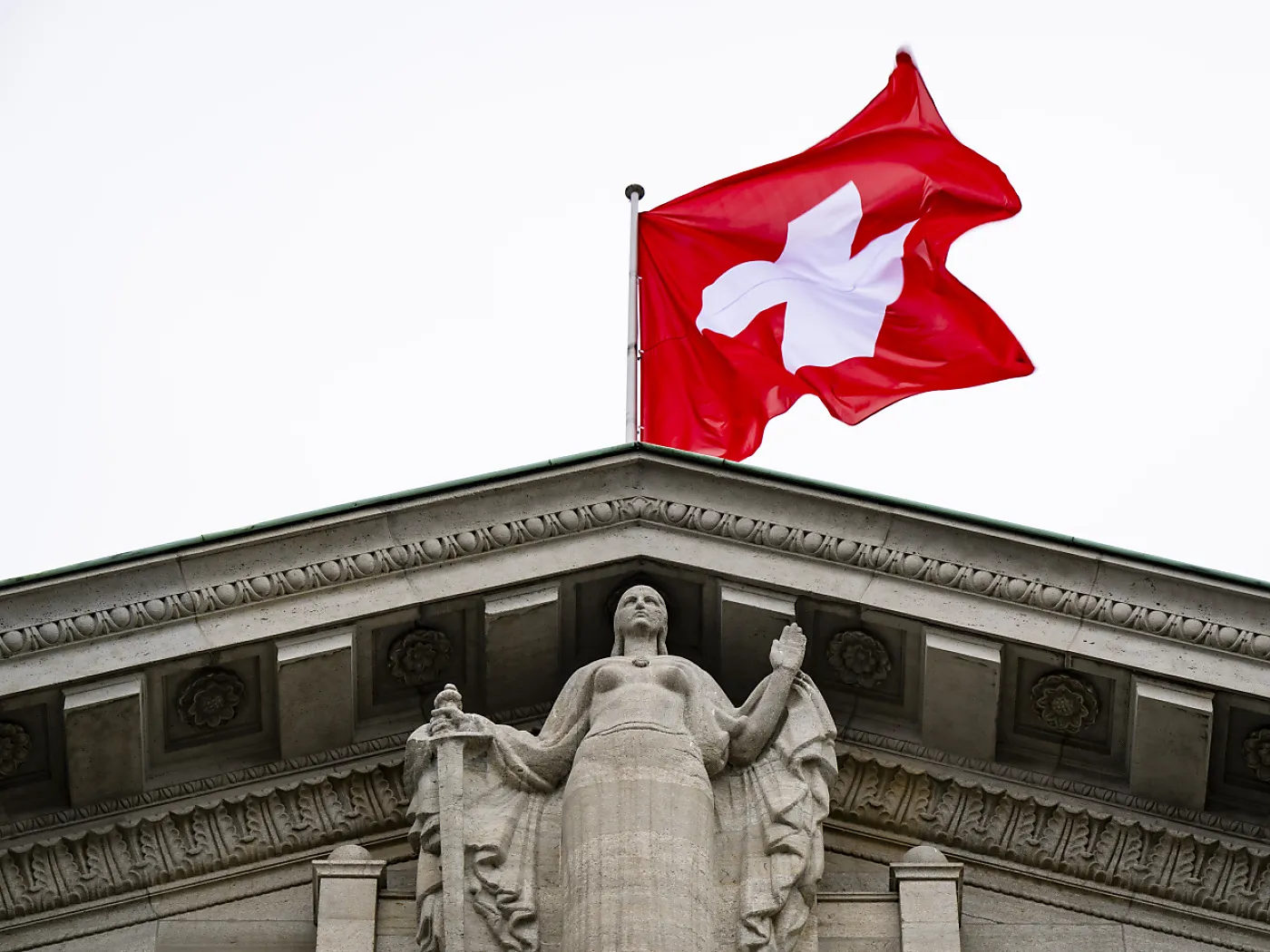
A Swiss court has overturned Geneva’s ban on disposable e-cigarettes, ruling that regional authorities lack the legal authority to prohibit the products because federal regulation takes precedence.
The Constitutional Chamber of the Geneva Court of Justice admitted appeals by four tobacco trade associations and companies and annulled the canton’s law banning the sale of disposable e-cigarettes, commonly known as “puffs” in the country.
In its decision, the court said the legal landscape had shifted with the adoption of federal tobacco legislation, moving regulatory authority to the national level rather than to individual cantons. “Cantons are no longer competent to prohibit ‘puffs,’ and that this authority belongs to the Confederation,” the court said in a statement.
The ruling hinges on a core principle of Swiss constitutional law. According to the court, a canton-level ban “runs contrary to the principle of the primacy of federal law guaranteed by the Federal Constitution,” thereby invalidating Geneva’s attempt to act independently on the issue.
Geneva moved aggressively in August 2025, when its Grand Council passed the ban with near-unanimous support and attached an emergency clause intended to send a strong political signal, as lawmakers described it at the time. The measure targeted disposable vapes amid growing concerns about youth use and environmental impact, aligning with broader European scrutiny of single-use nicotine products.
However, the court’s decision underscores the limits of regional action within a system where federal law ultimately governs product regulation.
At the same time, the broader policy debate remains unsettled. At the federal level, Switzerland has already begun a process to ban disposable e-cigarettes, following a motion adopted by the Federal Assembly in spring 2025. That procedure is still ongoing, so a nationwide prohibition remains under consideration.
The Geneva ruling does not halt that process—it simply clarifies where authority lies. The court also noted that its decision may not be final. The statement said the ruling “may still be appealed to the Federal Supreme Court,” subject to admissibility requirements, leaving open the possibility of additional legal review.