
By Timothy S. Donahue
Top Takeaways:
- AI push: Hong Kong health officials launched a new AI-powered chatbot to help smokers quit tobacco.
- Smoking falls: The city’s smoking rate dropped to 8.5% in 2025, among the lowest in developed economies.
- Broader crackdown: The initiative comes alongside the expansion of tobacco-control measures.
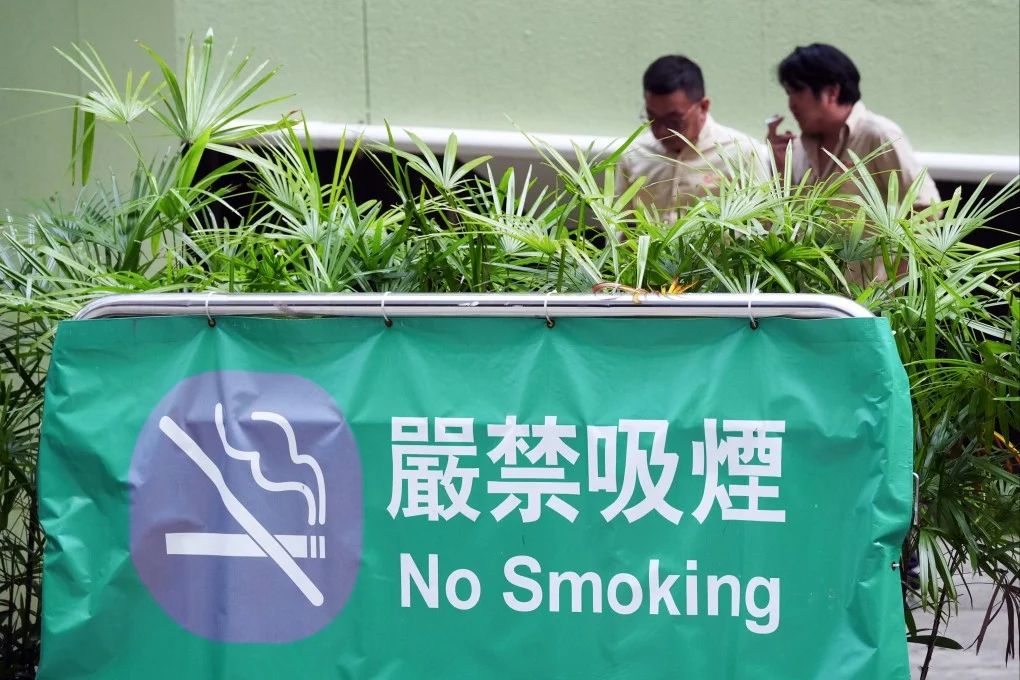
Hong Kong health officials are turning to artificial intelligence as part of a broader anti-smoking strategy after the city narrowly missed a major World Health Organization (WHO) smoking-reduction target.
This week, the city’s Tobacco and Alcohol Control Office launched a new AI-powered smoking cessation platform, “Chat to Quit,” as part of its annual “Quit in June” campaign.
The chatbot, developed by researchers at the University of Hong Kong, offers personalized smoking-cessation support via WhatsApp and is available 24/7. Office head Manny Lam Man-chung said authorities are pursuing a “multipronged strategy” to make smoking less appealing while expanding access to cessation services.
“We are thinking outside the box, deploying Chinese medicine and AI to cater to the needs of different smokers,” Lam said. “Now, they can use the AI chatbot, which is available around the clock.”
The campaign also provides free nicotine patches and traditional Chinese medicine “ear seeds,” a needle-free acupressure treatment to ease nicotine withdrawal symptoms.
According to Hong Kong officials, the city’s smoking rate fell to 8.5% in 2025, down from 9.1% the previous year, making it one of the lowest rates among developed economies. Still, authorities acknowledged they missed the WHO’s target 30% reduction benchmark established under the organization’s global action plan.
Lam said that lowering smoking prevalence further becomes increasingly difficult once rates are already relatively low. “When the baseline level was low, it was difficult to further lower it by 30 per cent,” Lam said. “But the government was determined.”
Officials estimate that smoking-related health issues cost Hong Kong roughly HK$8 billion annually in economic losses. Professor Kelvin Wang Man-ping, who helped develop the chatbot, said the AI system offers counseling tailored to each user’s smoking history and preferences.
“The AI chatbot is not a replacement, but an augmentation of existing services,” Wang said. “It takes a human-centred approach when talking to users.”
Users who successfully quit smoking after six months will undergo carbon monoxide and cotinine testing as part of the follow-up program. The initiative comes amid an increasingly aggressive tobacco-control environment in Hong Kong.
Earlier this year, the city implemented a public possession ban on vaping products and heated tobacco devices, resulting in dozens of penalties during the first several weeks of enforcement.
Hong Kong is also preparing to implement plain packaging requirements and a tobacco duty stamp system by the end of 2027 to combat the illicit cigarette trade and reduce product appeal. The city has also expanded smoke-free zones near schools, hospitals, and care facilities.
Survey data released alongside the campaign showed that smokers in Hong Kong consumed an average of 10.9 cigarettes per day in 2025, down from 12.1 the previous year. The survey also found that flavored cigarettes remain particularly popular among younger adults and women, while daily vaping remained relatively low at approximately 0.1% of the population.


