By Timothy S. Donahue
Top Takeaways:
- Use falls: Youth tobacco, cigarette and e-cigarette use all declined between 2022 and 2025.
- Pouches stable: Nicotine pouch use remained low in 2025, though high school use increased over the longer term.
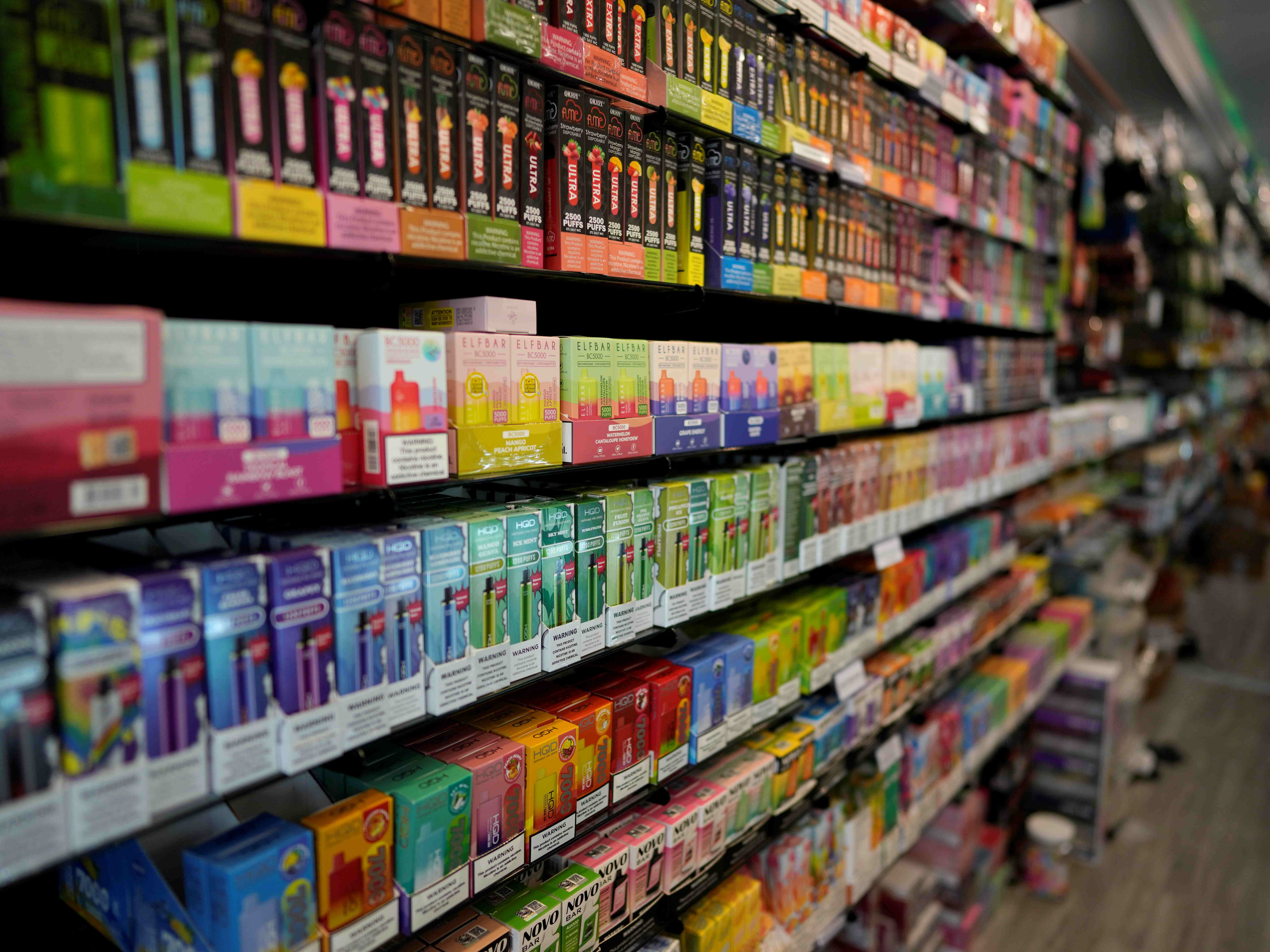
- Illicit brands lead: Geek Bar, Elf Bar, Lost Mary, and Raz remained among the most-used youth vaping brands.
Youth tobacco use continued to decline in 2025, with e-cigarette use falling to its lowest level in more than a decade and nicotine pouch use remaining relatively low despite growth among high school students, according to findings released Tuesday by the U.S. Food and Drug Administration’s National Youth Tobacco Survey (NYTS).
In 2025, the FDA reported that approximately 2 million middle and high school students, or 7.2% of youth, used at least one tobacco product in the previous 30 days, down from 11.3% in 2022. Current use of combustible tobacco products fell to 2.6%, and e-cigarette use declined to 5.2%, continuing a downward trend observed since 2022.
Among the products measured, e-cigarettes remained the most commonly used tobacco product among youth, followed by nicotine pouches at 1.7% and cigarettes at 1.4%. The survey estimated that about 460,000 middle and high school students reported current nicotine pouch use in 2025.
The findings, published in a peer-reviewed article in Nicotine & Tobacco Research, are based on responses from 23,630 students in grades 6 through 12 who participated in the 2025 NYTS.
While overall nicotine pouch use remained stable between 2024 and 2025, FDA researchers found that use among high school students increased significantly over the longer 2022-2025 period, rising from 1.4% to 2.3%. The study estimated an annual percent increase of 17.3% among high school students during that period. Researchers noted, however, that pouch use began from a relatively low baseline and did not increase significantly in the most recent year.
“Nicotine pouch use, though low overall and stable in the past year, increased among high school students from 2022 to 2025,” the authors wrote.
The report arrives as nicotine pouches continue to gain market share among adults and attract increasing regulatory scrutiny. FDA researchers acknowledged that nicotine pouches are generally considered lower-risk alternatives for adults who smoke cigarettes, while emphasizing the need to monitor youth uptake. The study noted that the FDA had authorized 26 nicotine pouch products as of December 2025.
Among youth who reported current nicotine pouch use, 17.6% said they used the products daily, and 26.3% reported use on at least 20 of the previous 30 days. Flavored products were by far the most common, with 90.8% of users reporting flavored pouch use. Mint was the most commonly reported flavor, followed by fruit and menthol.
ZYN was by far the most frequently reported nicotine pouch brand, used by 69.2% of current youth pouch consumers. Other commonly reported brands, according to FDA’s survey results, included on! (14.6%), Rogue (12.3%), ZONE (10.5%), and Grizzly (9.1%).
The survey also showed continued declines in youth vaping. Current e-cigarette use fell from 9.4% in 2022 to 5.2% in 2025, an annual decline of 18.1%. However, researchers noted that frequent use remains common among youth who continue to vape, with 41.2% reporting use on at least 20 days in the previous month and 27.5% reporting daily use.
Disposable devices remained the dominant format, accounting for 66.3% of youth e-cigarette use. Geek Bar was the most commonly reported brand at 64.1%, followed by Elf Bar at 21.5%, Lost Mary at 19.8%, Raz at 19.5%, and Vuse at 15.9%. Fruit remained the most popular flavor category, and more than half of youth e-cigarette users reported using products marketed with “ice” or “iced” flavor descriptors.
The authors highlighted that several of the most commonly reported youth vaping brands lack FDA marketing authorization and have been the subject of federal enforcement actions.
In announcing the findings, the FDA said the results support continued investments in youth prevention campaigns, enforcement activities, and surveillance efforts that inform tobacco product review decisions. The agency also highlighted its recent authorization of four flavored e-cigarette products that incorporate device-access restrictions, including age verification, smartphone pairing, and biometric authentication technologies, intended to limit youth access.
FDA is currently collecting data for the 2026 National Youth Tobacco Survey and recently opened a public comment period on survey collection plans for 2027 through 2029.