By Timothy S. Donahue
Top Takeaways:
- One-year reprieve: Costa Rica has postponed enforcement of sweeping restrictions on flavored vape products until Aug. 6, 2027, while health authorities build their enforcement capacity.
- Flavor limits remain: The regulation will continue to prohibit most non-tobacco flavorings, cap nicotine at 20 mg/mL, and impose broad packaging, labeling, and marketing restrictions.
- Industry impact: The delay gives manufacturers, importers, and distributors an additional year to prepare for one of Latin America’s most comprehensive vape regulations.
Costa Rica has given the vaping industry another year before implementing some of Latin America’s most restrictive regulations on flavored vape products.
The Ministry of Health has delayed enforcement of RTCR 519:2025, pushing back implementation from Aug. 6, 2026, to Aug. 6, 2027, while officials build the technical and laboratory capacity to oversee compliance. The regulation itself remains unchanged.
Once it takes effect, the rule will significantly reshape Costa Rica’s vaping market by limiting vape liquids to a narrow list of permitted ingredients associated with tobacco flavor and prohibiting flavorings and aromas intended to make products more appealing to consumers.
The regulation applies to both nicotine and nicotine-free vape liquids, whether domestically manufactured or imported, and covers manufacturers, importers, repackagers, distributors, warehouses, and retailers.
Health officials said the additional year will be used to strengthen the ministry’s technical, operational, and administrative capabilities, including the acquisition of specialized laboratory equipment capable of detecting heavy metals and other substances in vape liquids at very low concentrations.
For manufacturers, the delay postpones compliance with a broad range of new requirements.
In addition to limiting nicotine concentrations to 20 milligrams per milliliter, the regulation requires child-resistant packaging, Spanish-language labeling, and product notification before marketing, and authorizes government sampling of products at retail stores and warehouses.
The regulation also prohibits ingredients such as caffeine, taurine, certain stimulants, and cannabinoids, including CBD and THC, except where separately authorized for medical use.
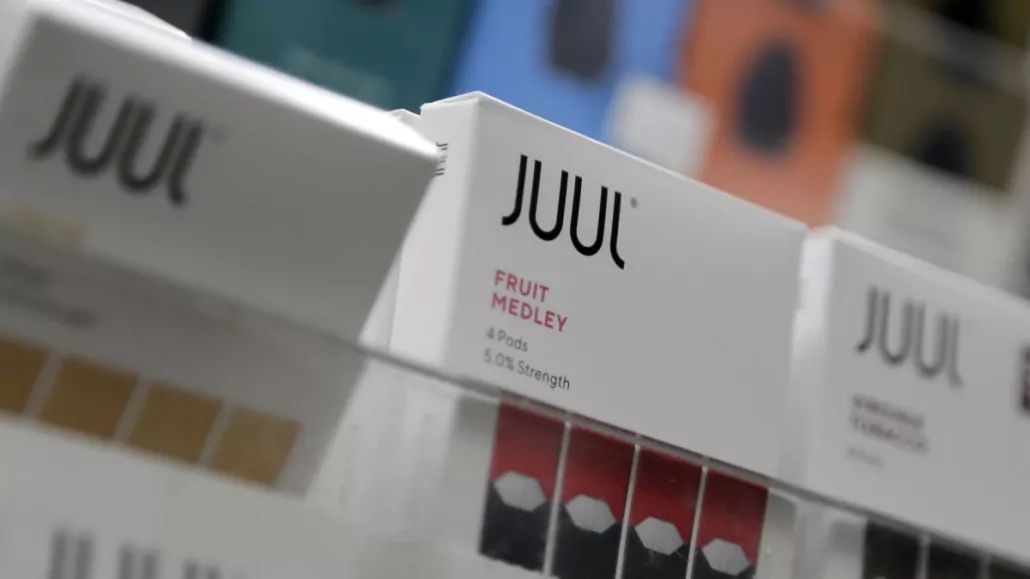
Perhaps most significant for the industry, flavorings associated with fruits, desserts, spices, and other appealing aromas would no longer be permitted, effectively limiting legal products to tobacco-related flavor profiles.
The rules also extend beyond product formulations.
Packaging may not include images or designs associated with foods, fruit, desserts, toys, celebrities, athletes, influencers, or fictional characters that authorities believe could increase product appeal, particularly among younger consumers.
Marketing restrictions are equally extensive. The regulation prohibits advertising, promotion, and sponsorship of vaping products, including marketing through websites, social media platforms, mobile applications, and influencer campaigns. Online sales where a purchaser’s age cannot be reliably verified would also be prohibited.